Lot Types Explained
Lot Types Explained
One of the first decisions buyers face when purchasing land in Cape Coral is determining which type of lot best fits their lifestyle, goals, and budget.
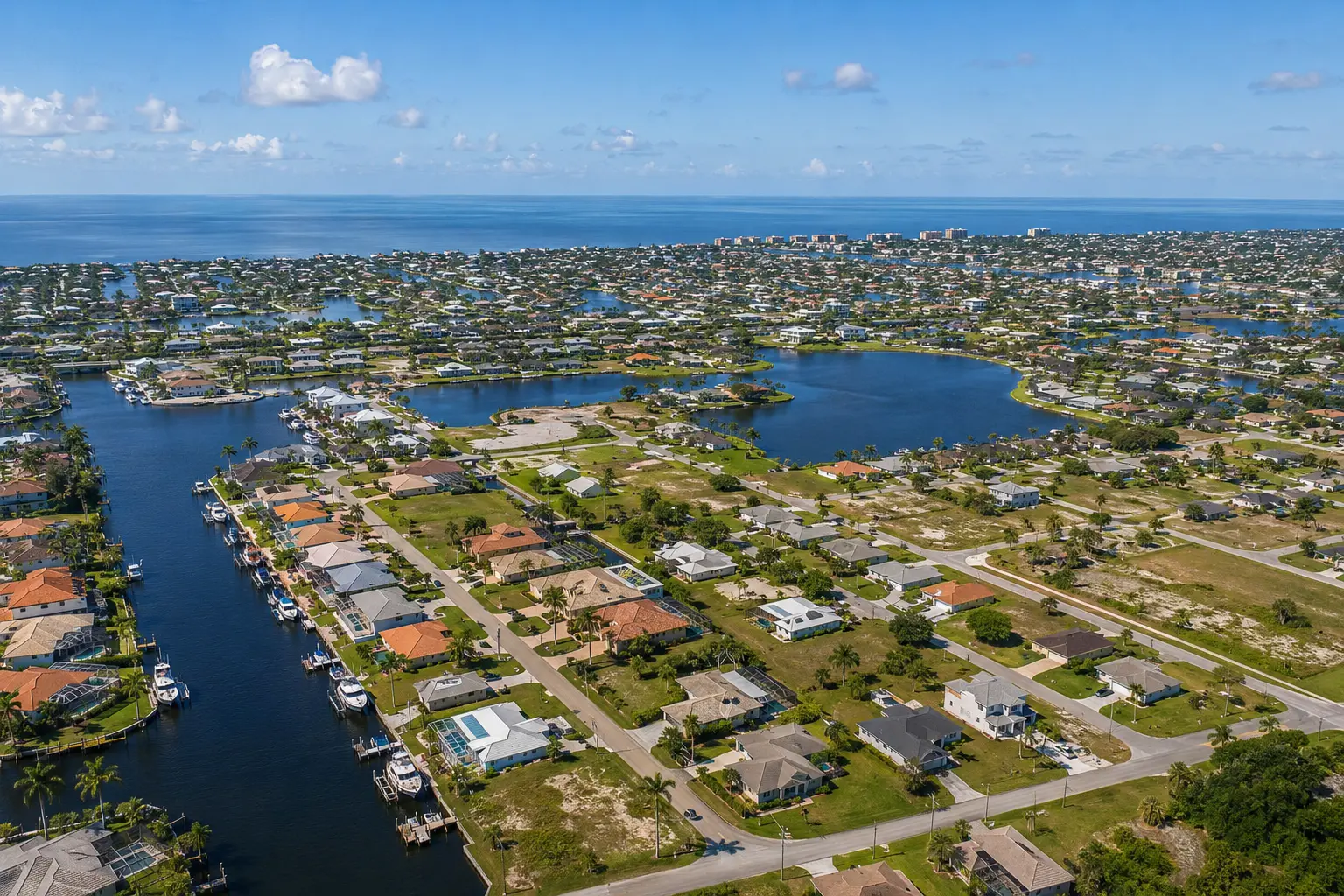
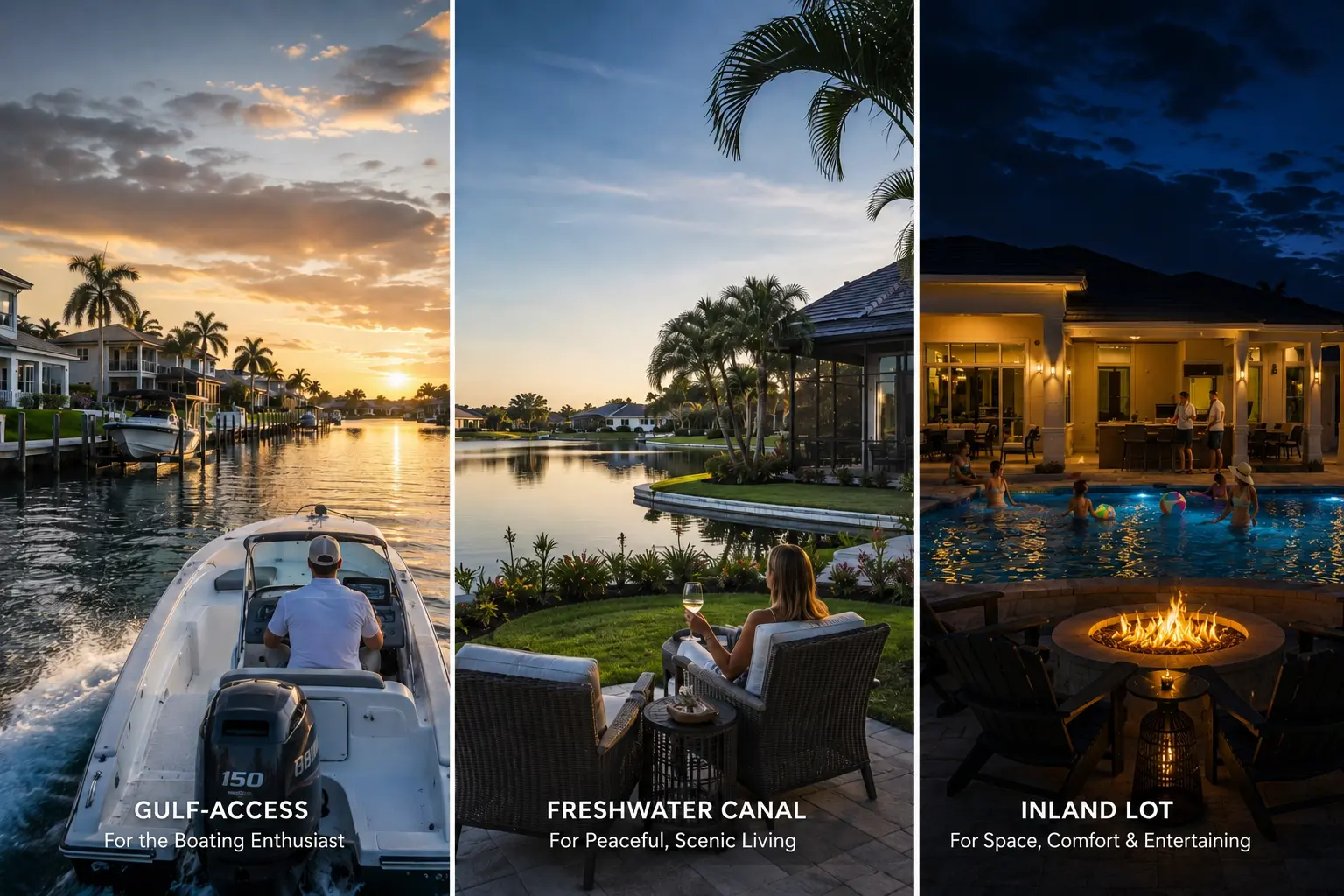
Cape Coral offers one of the most diverse selections of residential homesites in Florida. Buyers can choose from waterfront properties with direct boating access to the Gulf of America, freshwater canal lots with scenic water views, or traditional residential lots located throughout the city.
Each lot type offers unique advantages and considerations. Understanding the differences can help buyers make a more informed decision before purchasing land and beginning the home building process.
While many buyers initially focus on waterfront access, the ideal lot often depends on factors such as budget, boating interests, maintenance preferences, construction goals, and long-term plans for the property.
The Three Primary Lot Types
Most residential lots in Cape Coral fall into one of three categories:
- Saltwater Canal Lots
- Freshwater Canal Lots
- Non-Canal Lots
Each offers a different lifestyle experience and level of investment.
Saltwater Canal Lots
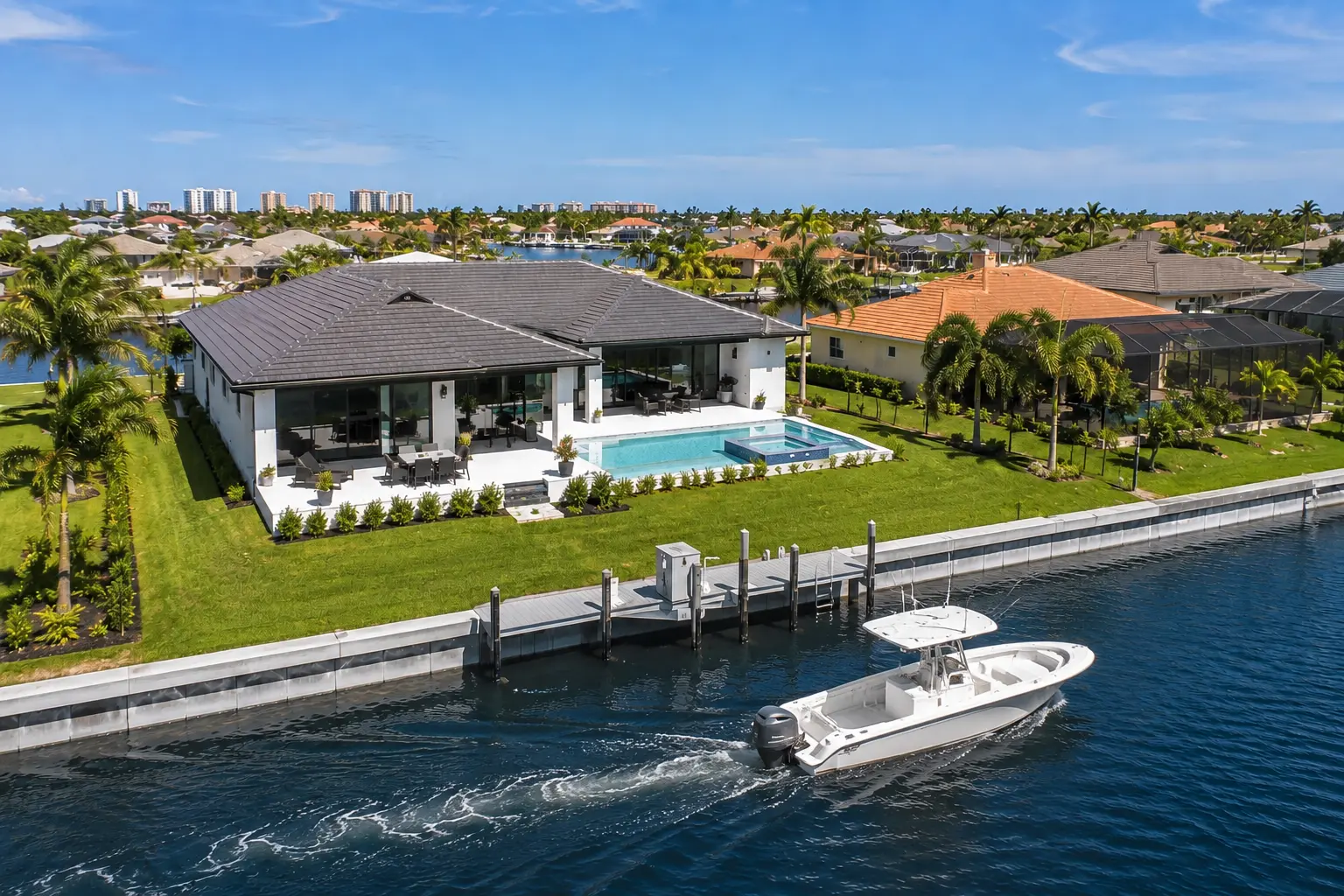
Saltwater canal lots are among the most sought-after properties in Cape Coral.
These lots provide boating access to the Caloosahatchee River and ultimately the Gulf of America. For boaters, anglers, and waterfront enthusiasts, Gulf access property represents the quintessential Southwest Florida lifestyle.
Benefits of saltwater canal lots often include:
- Direct boating access
- Waterfront views
- Dock and boat lift opportunities
- Strong buyer demand
- Potential long-term value appreciation
However, not all Gulf access lots are the same. Factors such as bridge clearances, canal width, seawall condition, travel time to open water, and water depth can significantly impact both usability and value.
Saltwater canal lots typically command higher purchase prices than other lot types, making it especially important to understand the property’s specific characteristics before purchasing.
Freshwater Canal Lots
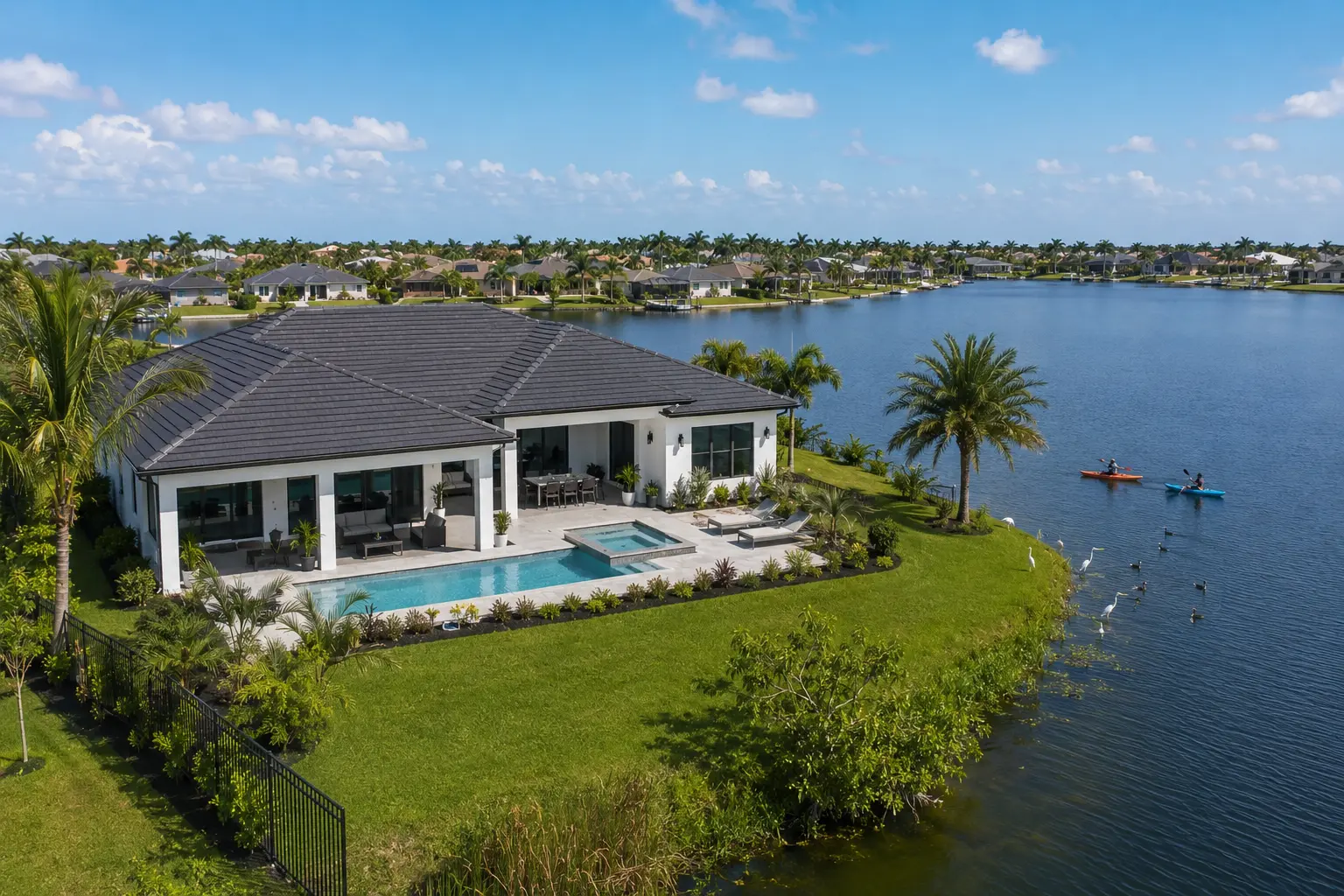
Freshwater canal lots offer many of the benefits of waterfront living without the premium pricing often associated with Gulf access properties.
Cape Coral’s freshwater canal system provides scenic views, fishing opportunities, added privacy, and a peaceful waterfront setting.
Benefits of freshwater canal lots often include:
- Waterfront views
- Increased privacy
- Fishing and recreational opportunities
- Lower purchase prices compared to Gulf access properties
- Attractive outdoor living environments
While freshwater canals do not provide access to the Gulf, many buyers find they offer an excellent balance between waterfront living and affordability.
For buyers who value water views more than boating access, freshwater canal lots can be an outstanding option.
Non-Canal Lots
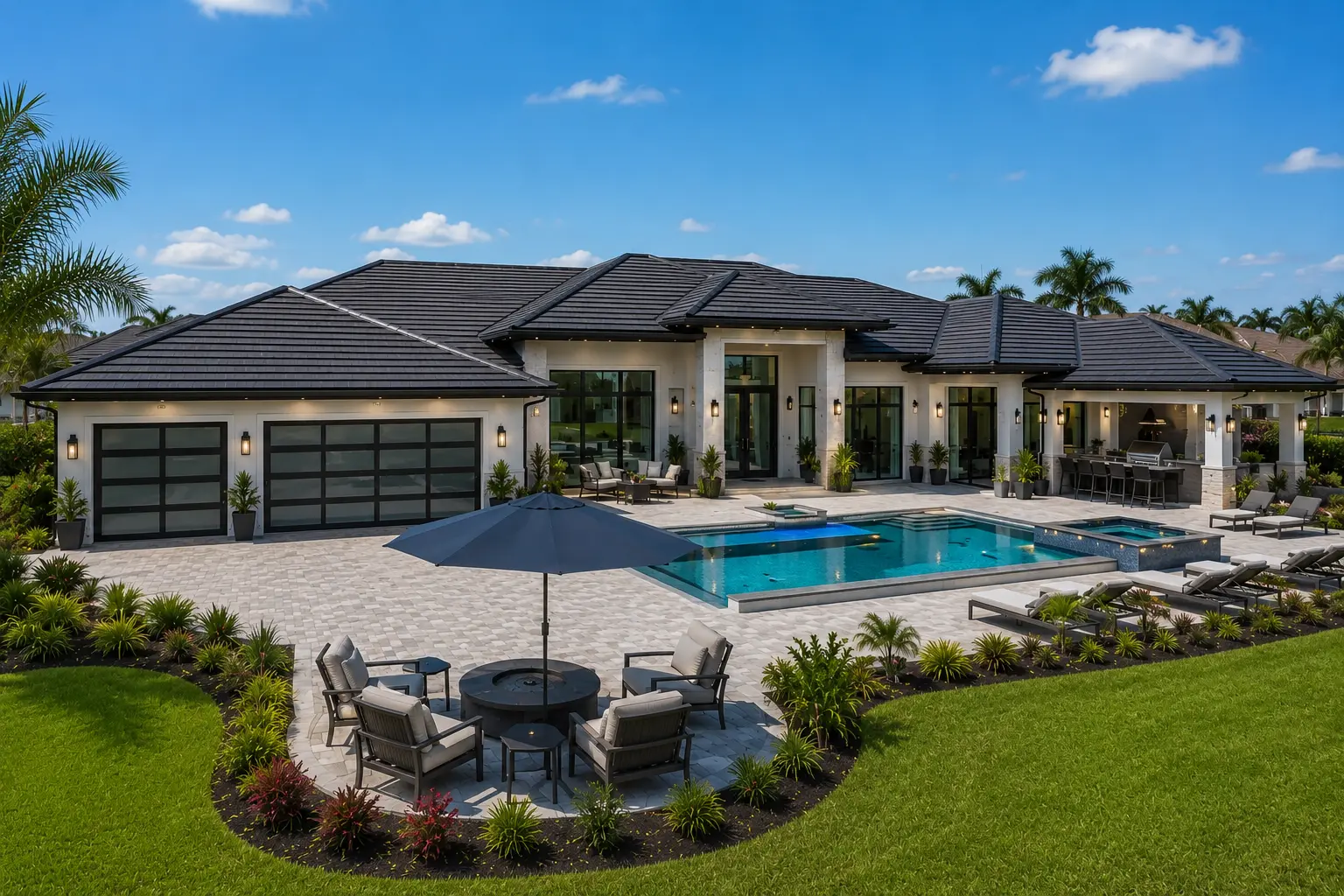
Non-canal lots remain one of the most popular choices throughout Cape Coral.
These properties offer flexibility, affordability, and access to the city’s many neighborhoods without the additional considerations that can accompany waterfront ownership.
Benefits of non-canal lots often include:
- Lower purchase prices
- Reduced maintenance requirements
- Greater availability
- More budget flexibility for home upgrades
- Wider range of neighborhood choices
Many buyers choose non-canal lots so they can invest more heavily in the home itself, adding features such as larger floor plans, pools, outdoor kitchens, upgraded finishes, or expanded garages.
A non-waterfront lot can still provide an exceptional Cape Coral lifestyle while allowing buyers to maximize value within their budget.
Which Lot Type Is Best?
There is no single answer.
The best lot depends entirely on your goals.
Buyers who plan to keep a boat in their backyard may strongly prefer a saltwater canal property. Buyers seeking waterfront views without Gulf access costs may find freshwater canals ideal. Others may prioritize neighborhood location, affordability, or home size and choose a non-canal lot.
Questions to consider include:
- Do you own a boat?
- How important is direct water access?
- What is your overall budget?
- How much maintenance are you comfortable with?
- Are waterfront views a priority?
- How important is future resale value?
- What type of home do you want to build?
The answers often help narrow the most suitable lot type.
Factors Beyond Canal Type
While lot type is important, it is only one part of the decision.
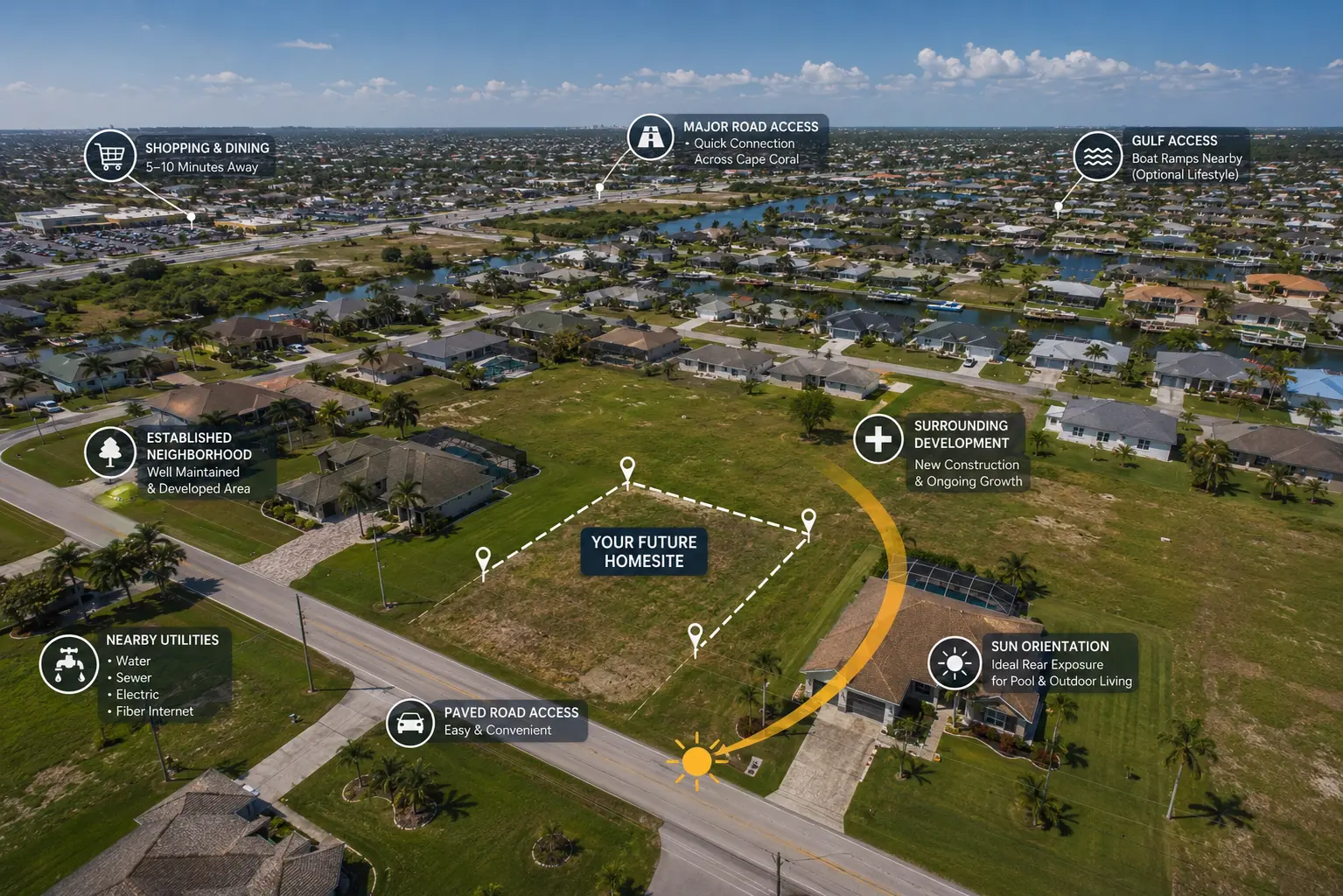
Buyers should also consider:
- Neighborhood location
- Flood zones
- Utility assessments
- Lot dimensions
- Sun exposure
- Seawall condition
- Future development nearby
- Construction requirements
- Proximity to shopping, dining, and recreation
Two lots within the same category can offer very different advantages depending on their specific location and characteristics.
How Cylina Helps Buyers Evaluate Lot Types
Many buyers begin their search assuming they want a particular type of lot, only to discover that another option better fits their goals and budget.
Because Cylina works with buyers throughout Cape Coral, she helps clients evaluate the advantages and tradeoffs associated with each lot type.
She assists buyers by:
- Comparing waterfront and non-waterfront opportunities
- Explaining canal systems and access differences
- Evaluating lot value and location
- Reviewing construction considerations
- Identifying potential costs and maintenance requirements
- Matching properties to buyers’ lifestyles and long-term goals
Rather than focusing solely on finding a lot, Cylina helps buyers identify the type of lot that best supports the home they ultimately want to build.
Finding the Right Foundation for Your Future Home
The lot you choose will influence nearly every aspect of your future home, from design possibilities and construction costs to daily lifestyle and long-term value.
Understanding the differences between saltwater canal lots, freshwater canal lots, and non-canal lots is an important first step toward making an informed decision.
The following pages explore each lot type in greater detail, helping you better understand the opportunities and considerations associated with each option as you begin your Cape Coral building journey.