Hidden Costs of Resale Homes
Hidden Costs of Resale Homes
When comparing an existing home to a newly built home, most buyers naturally focus on the purchase price.
At first glance, a resale home may appear to offer a significant savings compared to purchasing land and building a new home.
However, the purchase price rarely tells the complete story.
Many existing homes come with expenses that are not immediately obvious during a showing, inspection, or even the closing process.
These costs may not appear on the listing sheet, but they can have a significant impact on long-term ownership expenses.
Understanding these hidden costs can help buyers make more informed decisions when comparing building versus buying in Cape Coral.
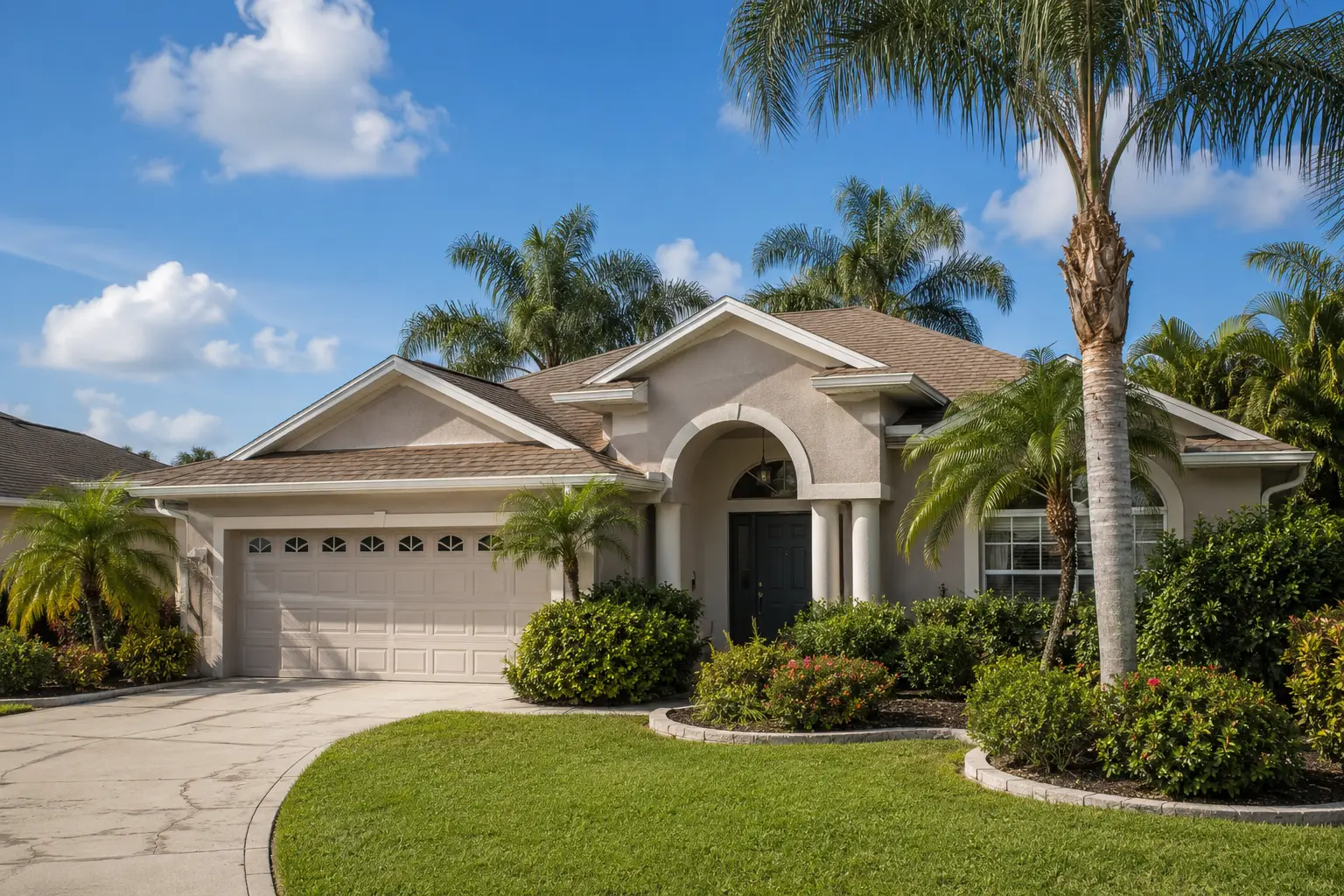
The Difference Between Purchase Price and Ownership Cost
One of the most common mistakes buyers make is assuming that the purchase price represents the total cost of the home.
In reality, ownership costs continue long after closing.
Examples may include:
- Repairs
- Maintenance
- Renovations
- Insurance expenses
- Utility costs
- System replacements
The true cost of a home is often revealed over years of ownership rather than on the day the property is purchased.
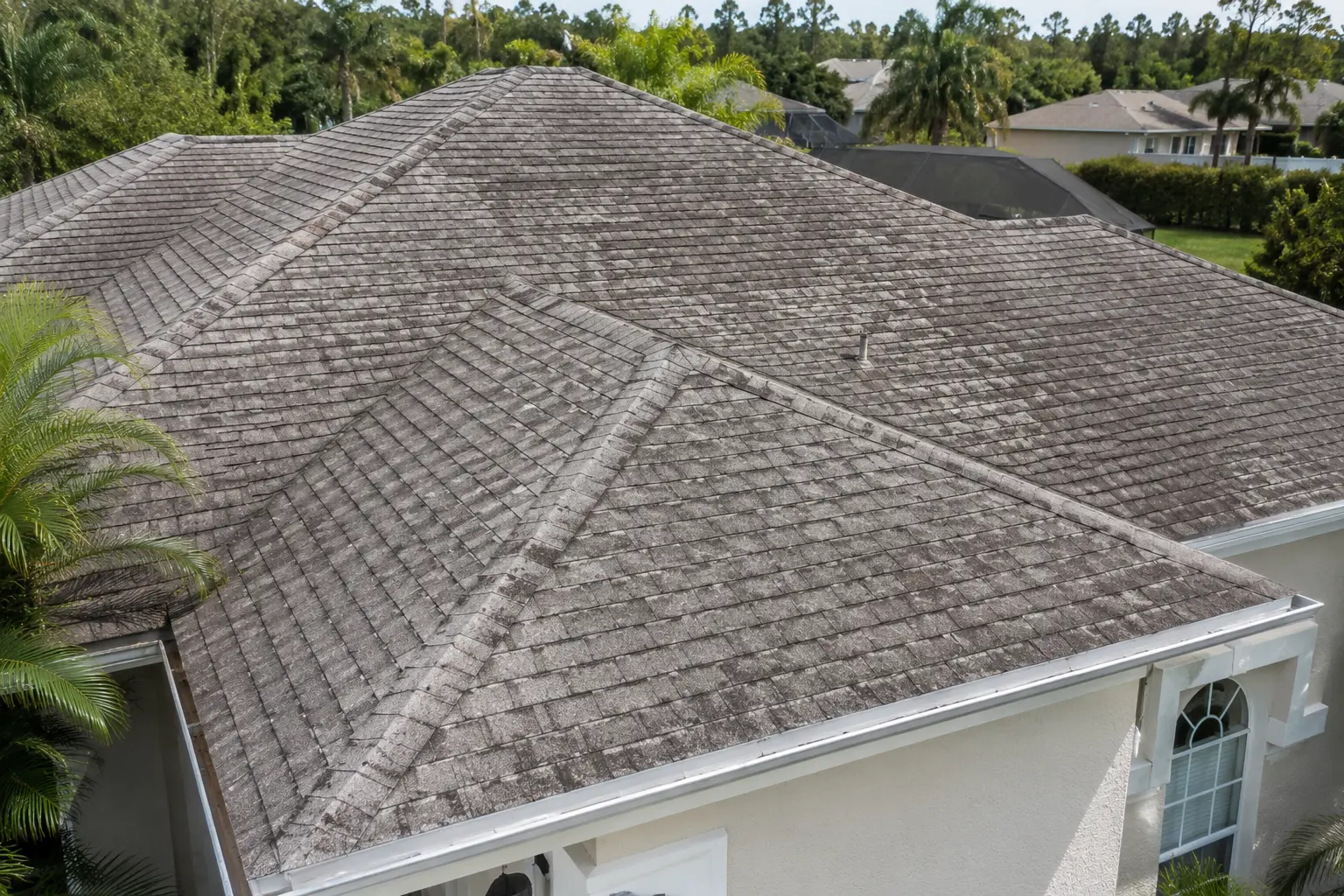
Roof Replacement
A roof may look perfectly acceptable during a showing while still being well into its useful life.
Depending on age and condition, a roof replacement can become one of the largest expenses homeowners face.
Buyers should consider:
- Roof age
- Remaining useful life
- Insurance implications
- Future replacement costs
A newly built home begins with a new roof designed and installed according to current building standards.
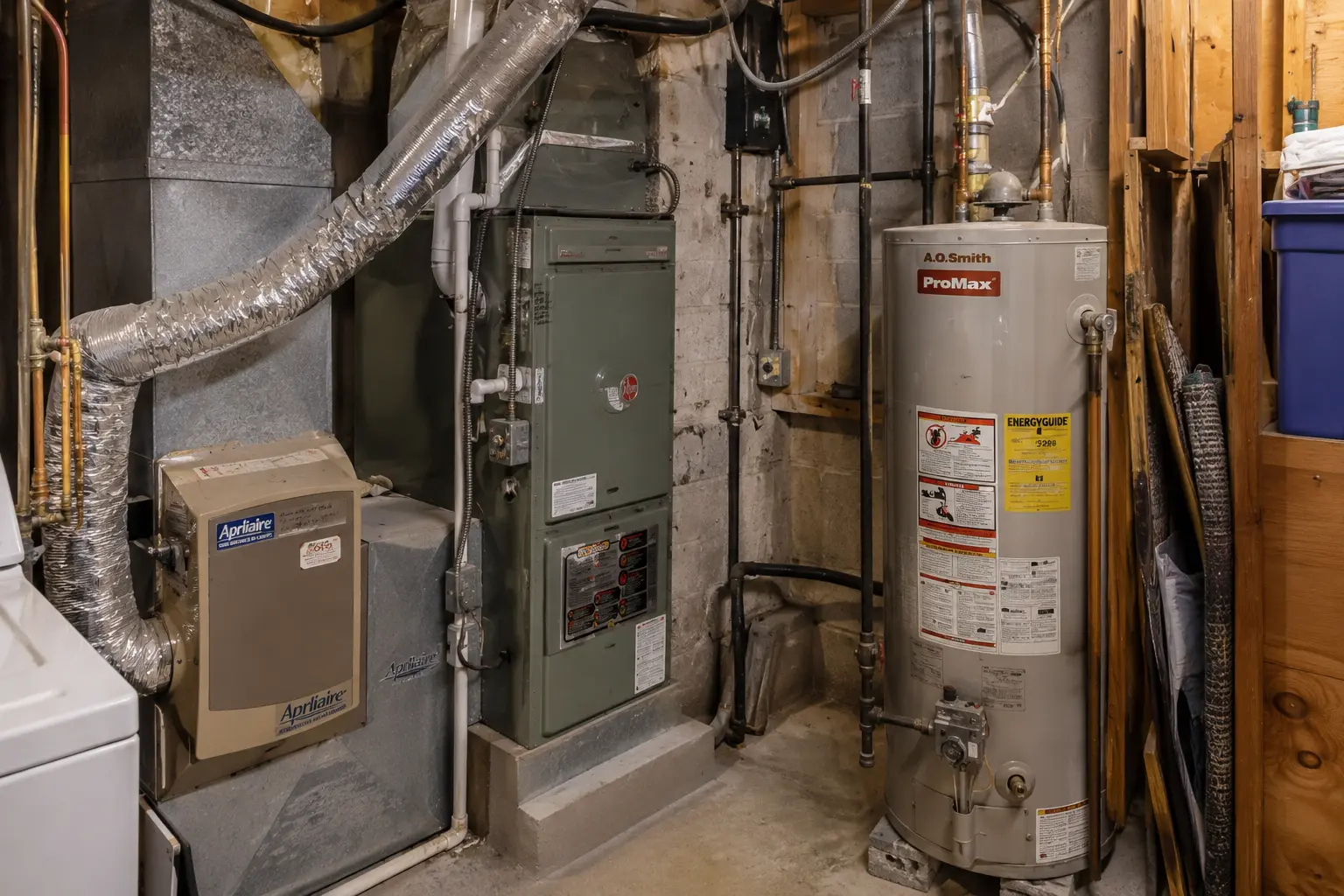
Air Conditioning Systems
Air conditioning is essential in Southwest Florida.
Older HVAC systems may continue functioning but often become:
- Less efficient
- More expensive to operate
- More prone to repairs
Eventually, replacement becomes necessary.
Many buyers do not fully account for this future expense when comparing older homes to new construction.
Impact Windows and Hurricane Protection
Many older homes were built before today’s impact-resistant window and door standards became common.
As a result, buyers may eventually choose to invest in:
- Impact windows
- Impact doors
- Hurricane protection systems
- Wind mitigation improvements
These upgrades can improve safety, comfort, and insurance eligibility, but they can also represent a significant expense.
New construction typically includes these features from the beginning.
Insurance Costs
Insurance is one of the most important ownership expenses in Florida.
Factors that may influence premiums include:
- Roof age
- Home age
- Construction type
- Wind mitigation features
- Impact protection
- Elevation
Two homes with similar values can have very different insurance costs depending on these characteristics.
Many buyers focus on purchase price while underestimating the long-term impact of insurance expenses.
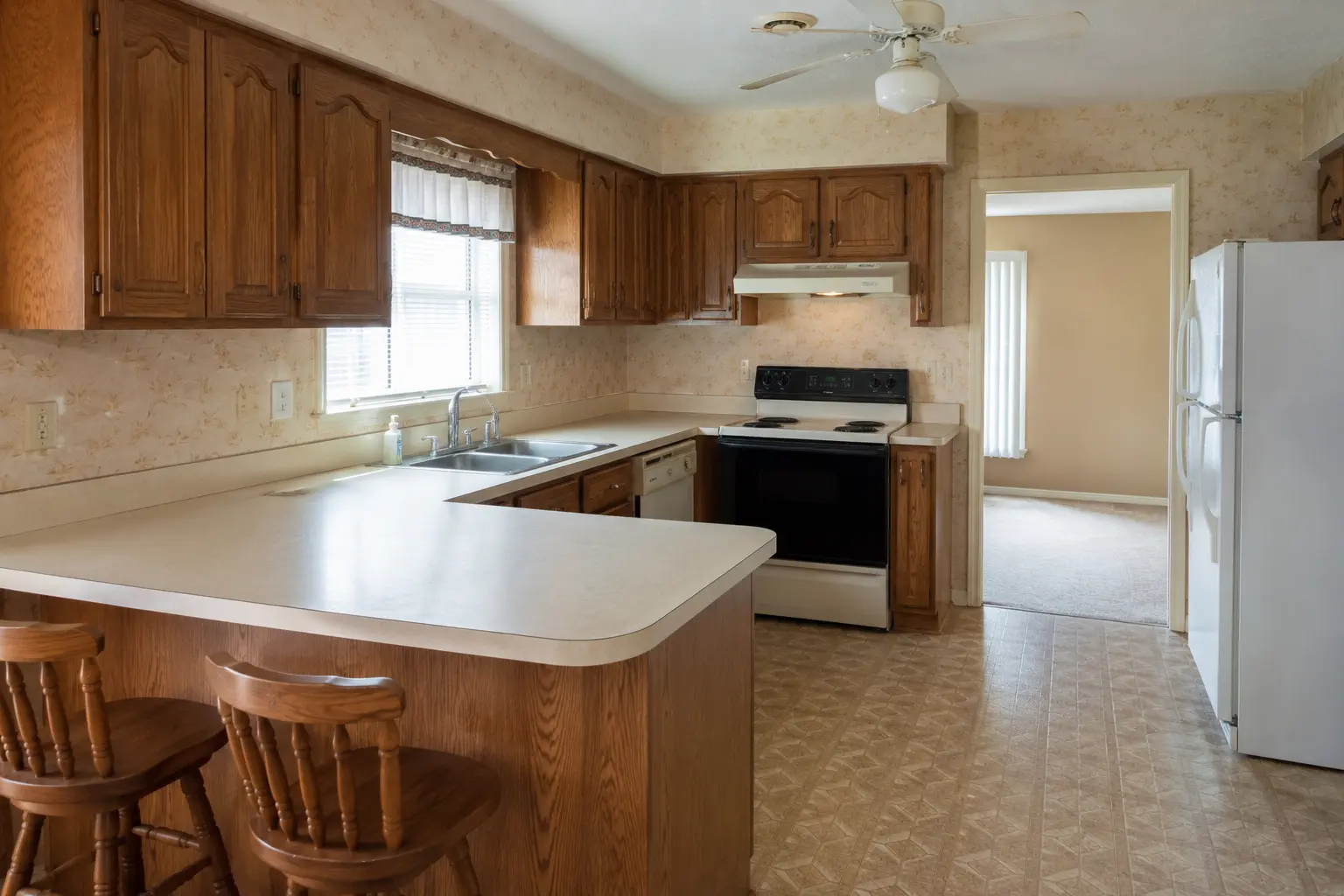
Renovation Costs
It is common for buyers to purchase a home with plans to “update it later.”
Unfortunately, renovation costs are often higher than expected.
Projects frequently include:
- Kitchen remodeling
- Bathroom remodeling
- Flooring replacement
- Interior painting
- Lighting upgrades
- Cabinet replacement
- Appliance upgrades
What initially appears to be a cosmetic update can quickly become a substantial investment.
The Cost of Outdated Floor Plans
Some costs are not measured in dollars alone.
Many older homes were designed around lifestyles that differ from modern preferences.
Buyers may find themselves wishing they had:
- Larger kitchens
- Open living spaces
- Home offices
- Better storage
- Larger primary suites
- Improved outdoor living areas
While some of these issues can be addressed through renovation, others may be difficult or impossible to fully correct.
Plumbing and Electrical Upgrades
Older homes may eventually require improvements to systems that are largely invisible during a showing.
Examples include:
- Plumbing repairs
- Pipe replacement
- Electrical panel upgrades
- Wiring improvements
These projects rarely increase a home’s visual appeal, but they can significantly affect ownership costs.
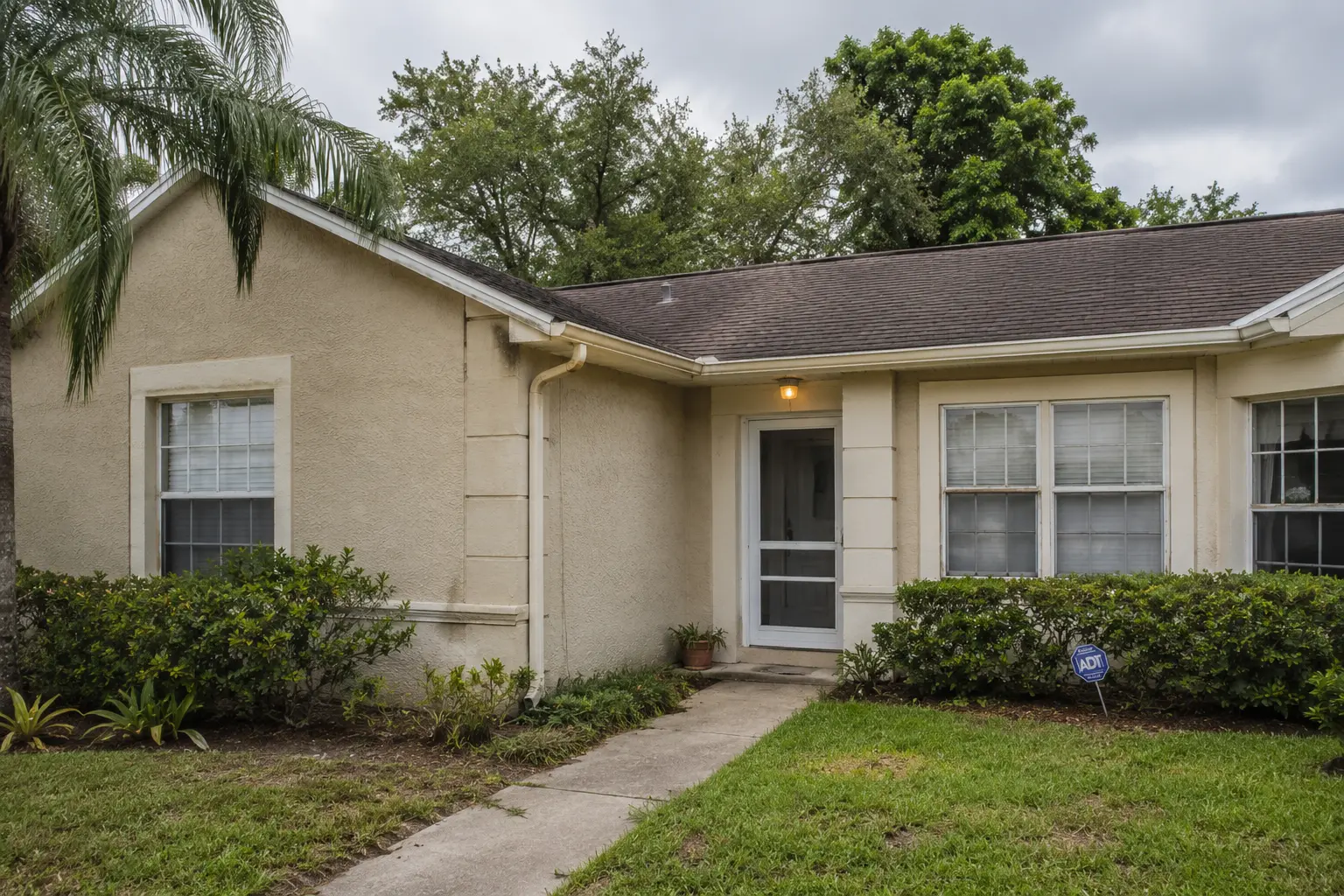
Deferred Maintenance
Not all homeowners maintain properties in the same way.
Some buyers inherit homes where maintenance has been postponed for years.
Examples may include:
- Worn exterior paint
- Aging equipment
- Deteriorating landscaping
- Roof issues
- Mechanical system concerns
Even when these issues are not immediate problems, they often become future expenses.
Utility Costs and Energy Efficiency
Modern homes are generally more energy efficient than homes built decades ago.
New construction often includes:
- Better insulation
- Improved windows
- High-efficiency HVAC systems
- Modern building materials
Older homes may require more energy to heat and cool, resulting in higher utility expenses over time.
While monthly differences may seem modest, they can accumulate significantly throughout ownership.
Time Has Value Too
One hidden cost that buyers often overlook is time.
Managing repairs, meeting contractors, scheduling upgrades, and overseeing renovation projects all require effort.
Many buyers move to Florida to enjoy:
- Boating
- Golfing
- Travel
- Outdoor activities
- Retirement
They are often surprised by how much time can be consumed managing an older home’s maintenance and improvement projects.
A Simple Example
Imagine two buyers.
Buyer A Purchases an Existing Home
Purchase Price: $600,000
Over the next several years:
- Roof replacement
- HVAC replacement
- Impact window installation
- Kitchen updates
- Miscellaneous repairs
Total additional investment: tens of thousands of dollars beyond the purchase price.
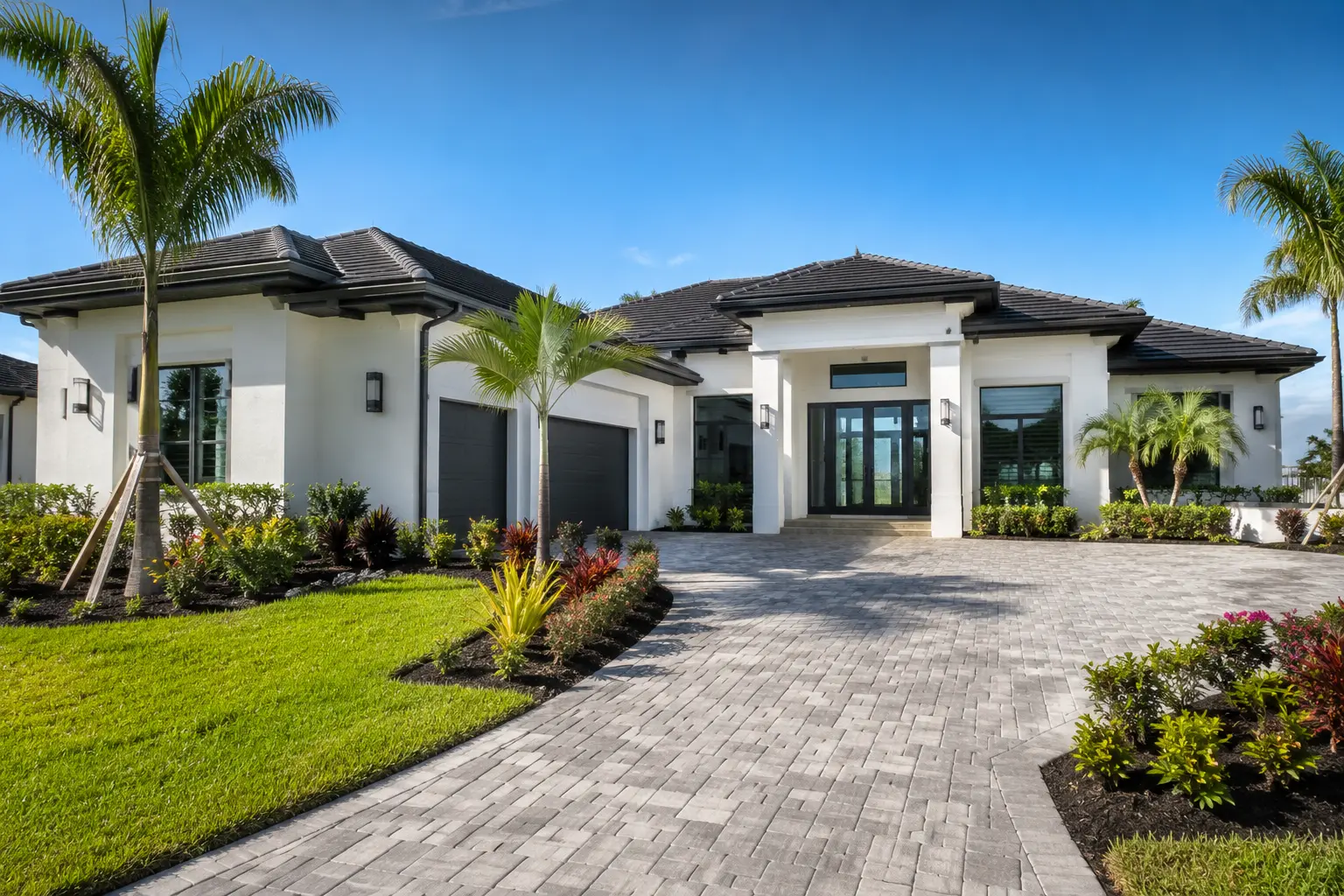
Buyer B Builds a New Home
Total Project Cost: $700,000
The buyer begins ownership with:
- New roof
- New HVAC
- Impact windows
- Modern floor plan
- Current building standards
The initial investment is higher, but future repair and upgrade needs are often significantly reduced.
Every situation is different, but this example illustrates why purchase price alone does not always determine value.
Why More Buyers Are Looking at New Construction
Many buyers initially focus on the lower entry price of existing homes.
After evaluating:
- Repair costs
- Renovation costs
- Insurance expenses
- Maintenance requirements
- Energy efficiency
- Long-term ownership costs
they often begin viewing new construction differently.
The comparison shifts from:
“What costs less today?”
to:
“What provides the best value over the next 10 to 20 years?”
How Cylina Helps Buyers Evaluate the Complete Picture
One of the most valuable services Cylina provides is helping buyers evaluate costs that are not immediately obvious.
Many buyers become focused on purchase price alone while overlooking the expenses that often arise after closing.
Cylina helps clients compare:
- Existing homes
- New construction opportunities
- Insurance considerations
- Renovation potential
- Long-term ownership costs
- Lot opportunities
- Future resale value
Because she understands both the resale market and the new construction process, she helps buyers look beyond the listing price and evaluate the complete financial picture.
The Cheapest Home Is Not Always the Least Expensive Home
A lower purchase price does not automatically mean a lower cost of ownership.
Repairs, renovations, insurance costs, maintenance expenses, and energy consumption all contribute to the true cost of a home.
For many buyers, building a new home provides greater predictability, fewer surprises, lower maintenance requirements, and a better long-term ownership experience.
That is why comparing purchase prices alone rarely provides an accurate answer when deciding whether it is better to build or buy in Cape Coral.
The smartest comparison is not the cost of purchase.
It is the cost of ownership over time.
Done 6/16/2026