Construction Loans Explained
Construction Loans Explained
One of the biggest misconceptions about building a home is that buyers must pay cash for the entire project.
In reality, many new homes in Cape Coral are financed through construction loans.
Construction financing allows buyers to purchase land, build a home, and transition into long-term financing without paying the full cost of construction upfront.
For buyers who have never built a home before, the financing process can seem intimidating. However, understanding the basic concepts can help remove much of the uncertainty and make new construction feel far more achievable.
What Is a Construction Loan?
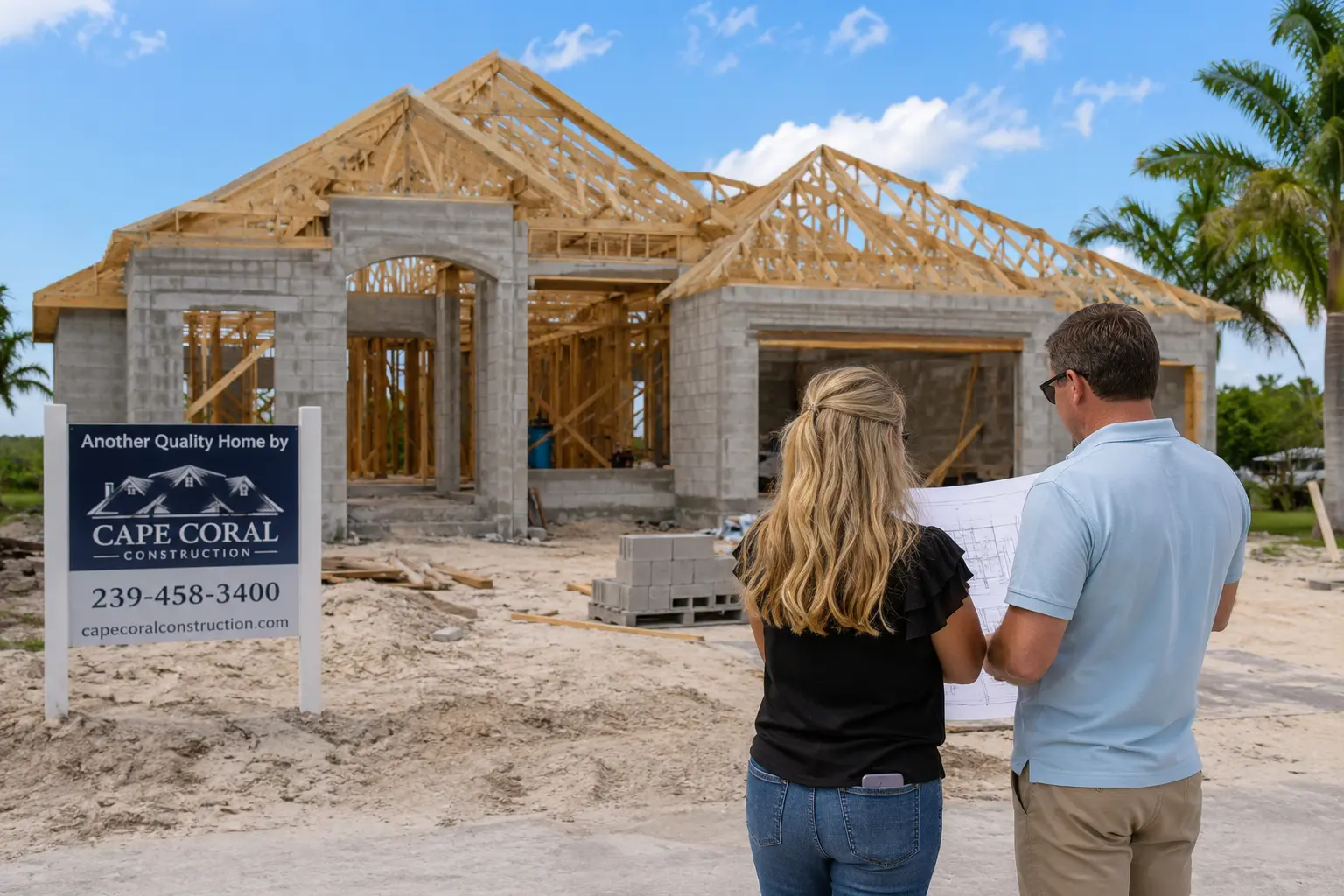
A construction loan is a type of financing specifically designed for building a new home.
Unlike a traditional mortgage, where funds are provided when a completed home is purchased, construction financing is structured around the building process itself.
As construction progresses, funds are typically released in stages based on completed work.
This allows the project to move forward while providing oversight and accountability throughout the construction process.
Once construction is complete, the financing often transitions into a long-term mortgage structure.
How Construction Financing Differs From Buying an Existing Home
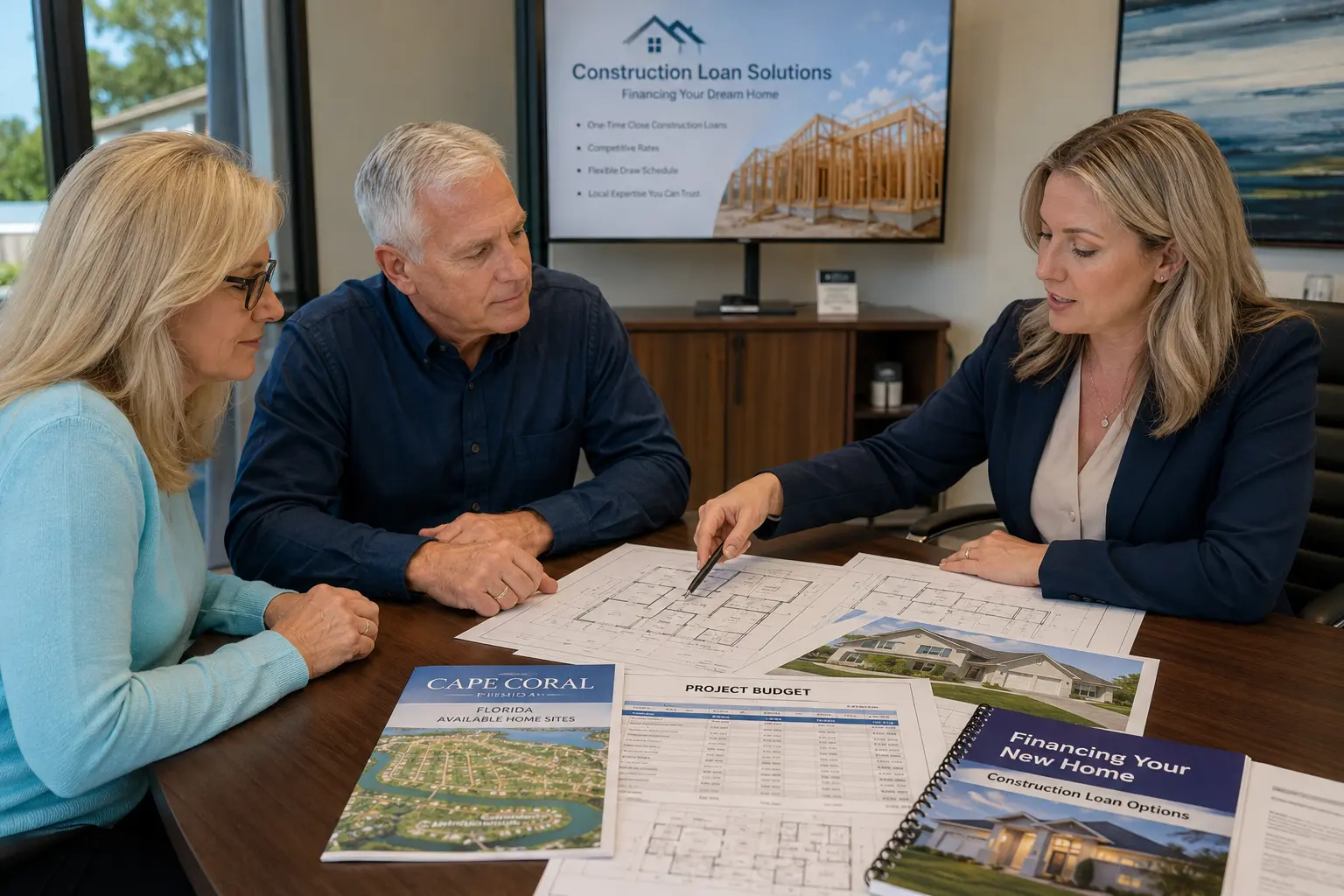
Most buyers are familiar with the process of obtaining a mortgage for an existing home.
Building a home introduces additional components because the property does not yet exist when financing begins.
As a result, lenders often evaluate:
- The buyer’s financial qualifications
- The lot being purchased
- The builder
- Construction plans
- Project budgets
- Appraised value upon completion
While there are additional steps compared to a traditional home purchase, experienced construction lenders handle these transactions regularly and can guide buyers through the process.
Paying Cash vs. Using a Construction Loan
Some buyers choose to pay cash for all or part of their project.
Others prefer to utilize financing.
Neither approach is automatically right or wrong.
The best choice depends on the buyer’s financial goals, liquidity needs, and overall investment strategy.
Advantages of Paying Cash
Potential benefits may include:
- Simpler financing process
- No loan approval requirements
- Greater flexibility during construction
- Reduced financing expenses
- No lender-related requirements
Some buyers appreciate the simplicity and control that comes with paying cash.
Advantages of Construction Financing
Many buyers prefer financing because it may allow them to:
- Preserve cash reserves
- Maintain investment flexibility
- Avoid tying up large amounts of capital
- Build sooner rather than waiting to accumulate additional funds
- Retain liquidity for other opportunities
For many buyers, construction financing becomes an important financial planning tool rather than simply a borrowing mechanism.
Financing the Land
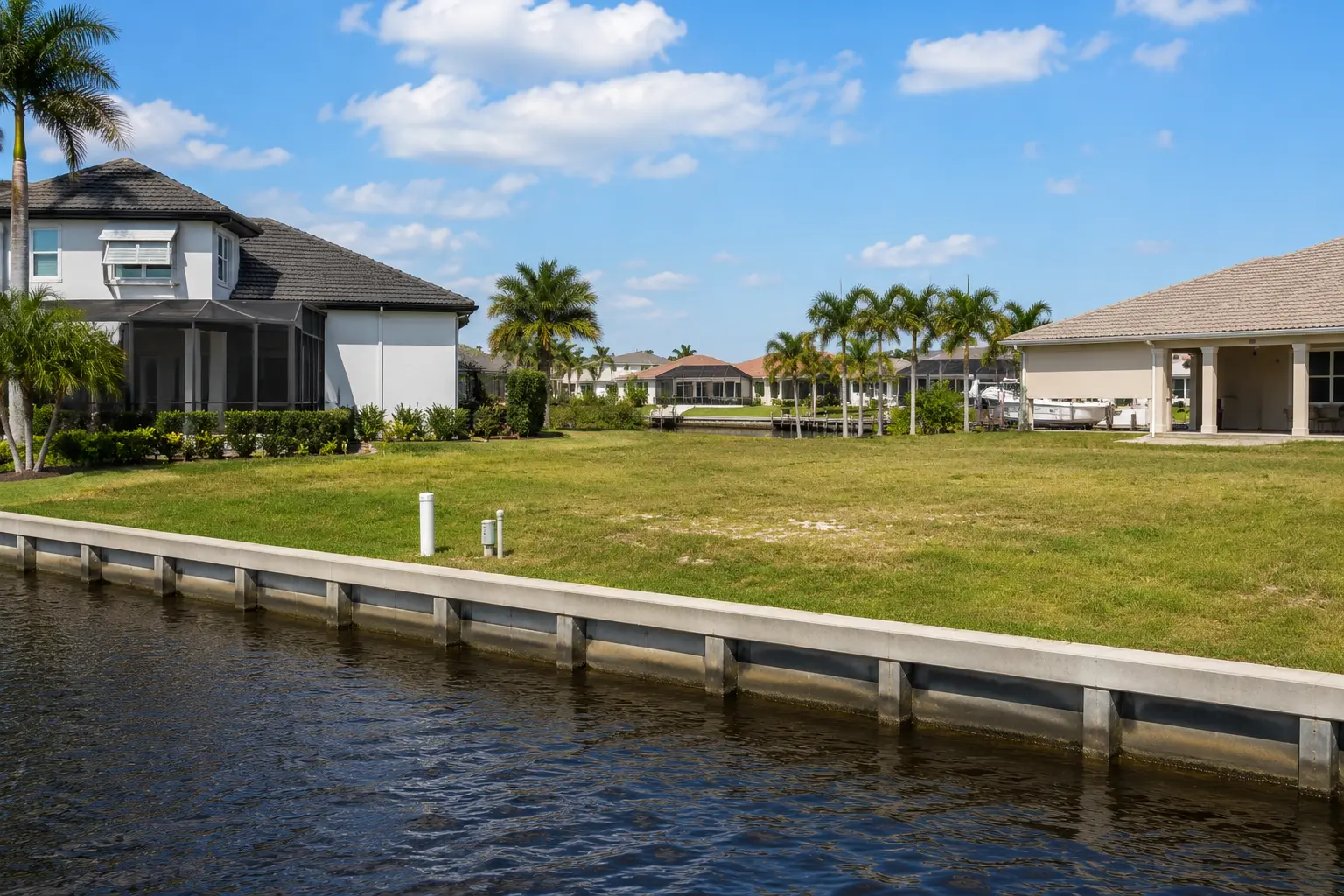
Construction financing can sometimes involve both the lot and the home.
Depending on the buyer’s circumstances and lender requirements, financing may be structured in different ways.
Some buyers purchase land first and build later.
Others acquire the lot and begin construction as part of a single overall project.
Understanding the relationship between land acquisition and construction financing is an important part of the planning process.
Understanding Construction Draws
One concept that is unique to construction financing is the draw process.
Rather than providing all funds at the beginning, lenders often release funds in stages as construction milestones are completed.
Examples may include:
- Site preparation
- Foundation completion
- Framing
- Roofing
- Interior completion
- Final construction stages
This system helps ensure that funding aligns with construction progress.
While buyers do not need to become experts in the draw process, understanding the basic concept helps explain how construction financing differs from a traditional mortgage.
Insurance During Construction
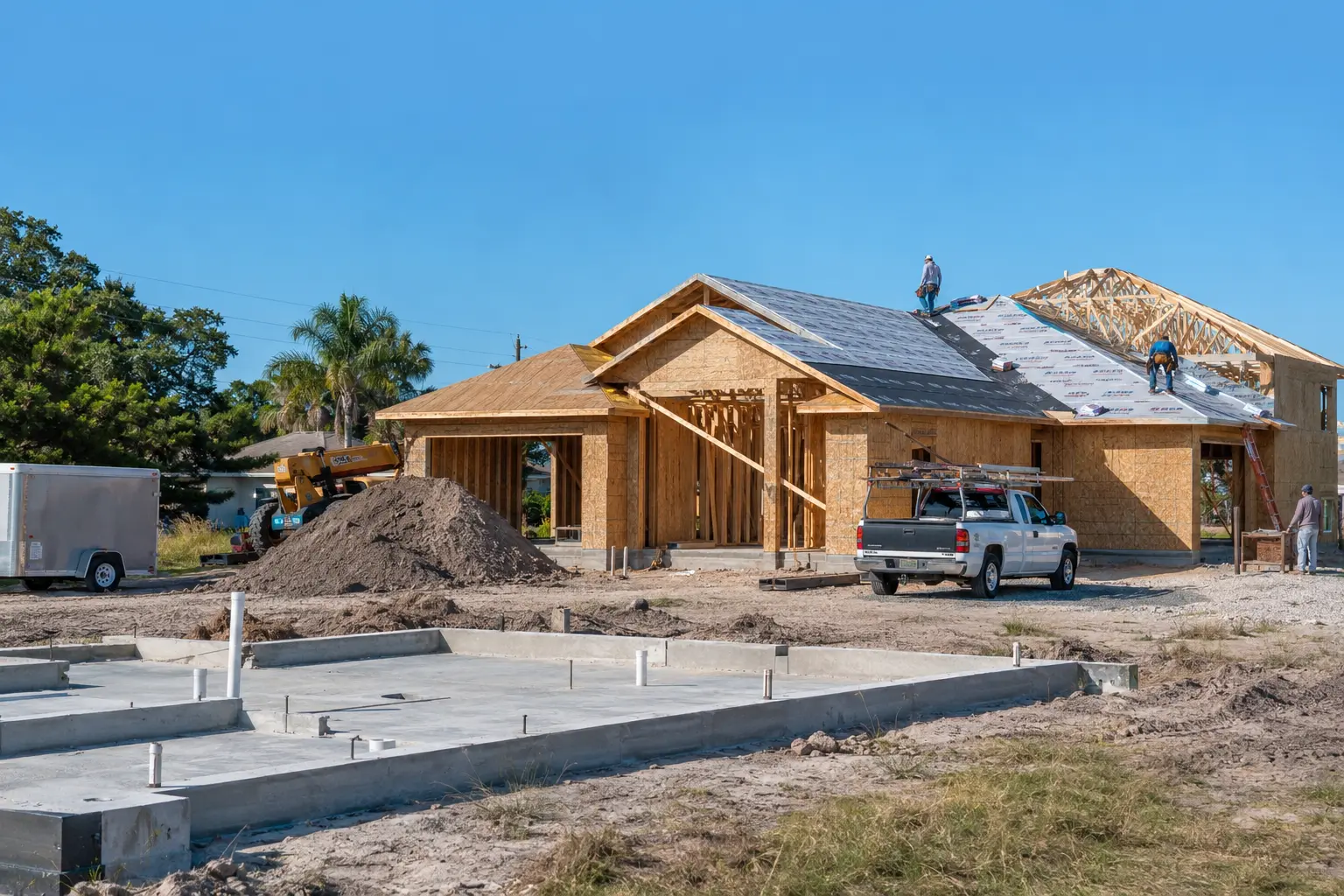
Insurance is another important consideration during the building process.
While the home is under construction, different insurance requirements may apply than those associated with a completed residence.
Depending on the project and lender, insurance considerations may include:
- Builder’s risk insurance
- General liability coverage
- Property coverage during construction
- Flood-related considerations when applicable
Builders and lenders typically coordinate many of these requirements, but buyers should understand that insurance plays an important role throughout the construction process, not just after move-in.
Insurance After Construction
Once the home is completed, insurance transitions from construction-related coverage to traditional homeowner’s insurance.
This is where many buyers begin to appreciate the advantages of modern construction.
New homes often include:
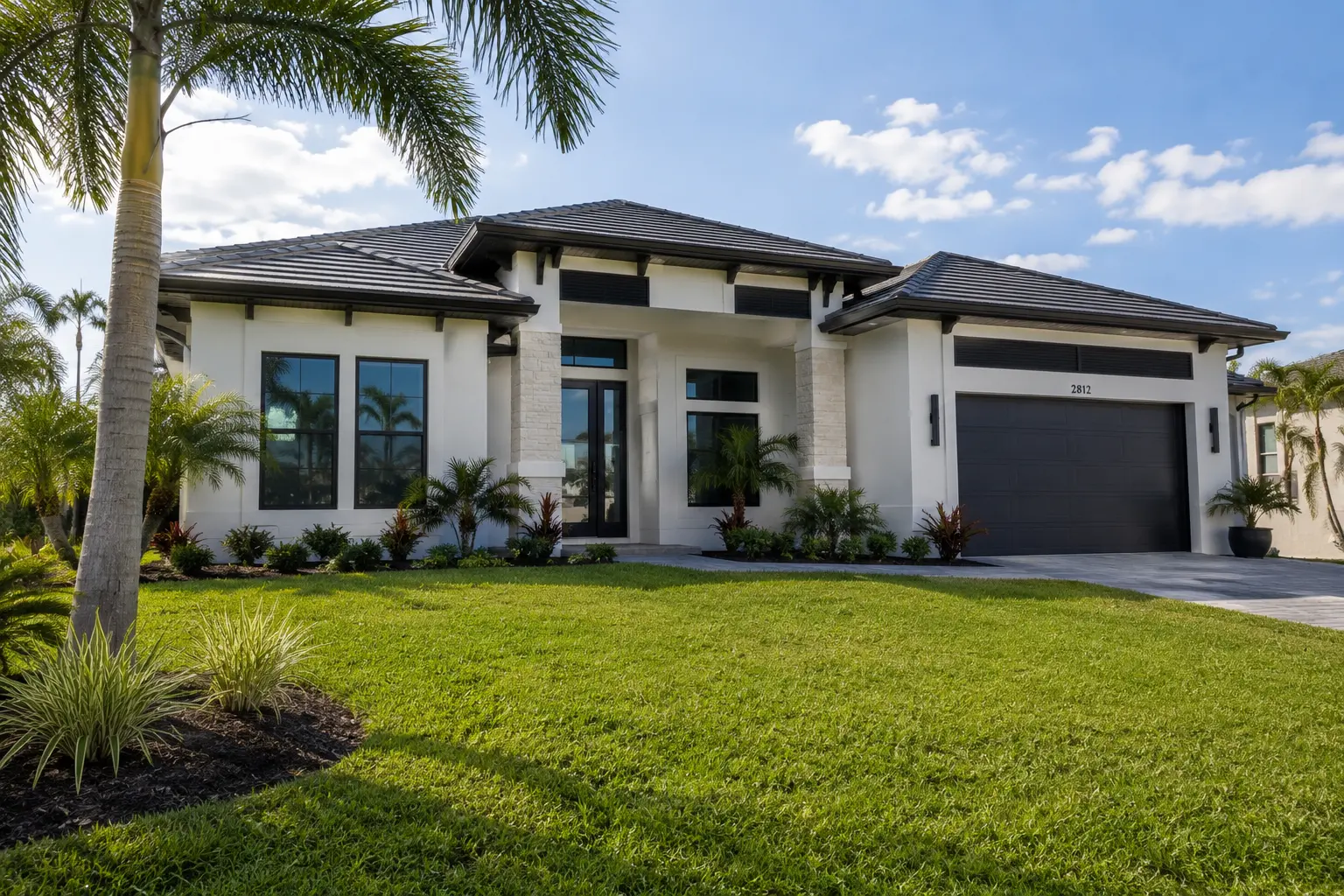
- Impact-resistant windows and doors
- New roofing systems
- Modern wind mitigation features
- Updated building code compliance
- Improved elevation standards
These features may contribute to long-term insurance benefits compared to many older homes.
Why Financial Preparation Matters
Before beginning a construction project, buyers should take time to evaluate:
- Overall budget
- Down payment requirements
- Cash reserves
- Financing goals
- Future ownership costs
Building a home involves more than obtaining loan approval.
It involves creating a financial plan that supports both the construction process and long-term ownership.
The more preparation completed upfront, the smoother the experience tends to be.
Common Misconceptions About Construction Loans
Many first-time builders assume that construction financing is extremely difficult or available only to a small group of buyers.
In reality, construction loans are used every day by individuals building primary residences, retirement homes, vacation homes, and investment properties.
Other common misconceptions include:
- Construction loans are only for custom luxury homes
- Buyers must pay cash for land
- Construction financing is dramatically different from traditional lending
- Building is financially out of reach
While every buyer’s situation is unique, many people are surprised to learn that building may be more attainable than they originally believed.
Financing Is Only Part of the Process
Obtaining financing is important, but it is only one piece of a successful project.
Buyers must also consider:
- Lot selection
- Builder selection
- Construction costs
- Insurance considerations
- Utility requirements
- Long-term ownership expenses
All of these factors work together to determine the overall success of the project.
How Cylina Helps Buyers Navigate Construction Financing
For many buyers, construction financing is unfamiliar territory.
Because Cylina works with buyers throughout the building process, she helps clients understand how financing fits into the larger picture of purchasing land and building a home.
She assists buyers by helping them:
- Understand the overall building process
- Evaluate lot opportunities
- Compare builders
- Develop realistic project budgets
- Understand financing considerations
- Connect with experienced construction lenders
- Coordinate the many moving pieces involved in a new construction project
While lenders provide loan approvals and financing advice, Cylina helps buyers understand how financing decisions affect the overall project and long-term ownership experience.
Building Is More Accessible Than Many Buyers Realize
Many buyers begin exploring new construction with the assumption that financing will be the biggest obstacle.
After learning how construction loans work, they often discover that the process is far more straightforward than they expected.
Whether a buyer chooses to pay cash, utilize construction financing, or combine both approaches, the key is understanding the options available and selecting the strategy that best aligns with their financial goals.
With proper planning, experienced professionals, and realistic budgeting, financing a new home in Cape Coral can be a manageable and rewarding part of the journey toward creating a home designed specifically for your lifestyle.