Cost to Build in Cape Coral
Cost to Build a Home in Cape Coral
One of the most common questions buyers ask is:
How much does it cost to build a home in Cape Coral?
The answer depends on a variety of factors, including the location of the lot, the size of the home, the builder selected, the level of customization, and the features included in the project.
Unlike purchasing an existing home, building involves multiple cost components that work together to create the total project budget.
Understanding these costs before purchasing land can help buyers make informed decisions, establish realistic expectations, and avoid surprises throughout the building process.
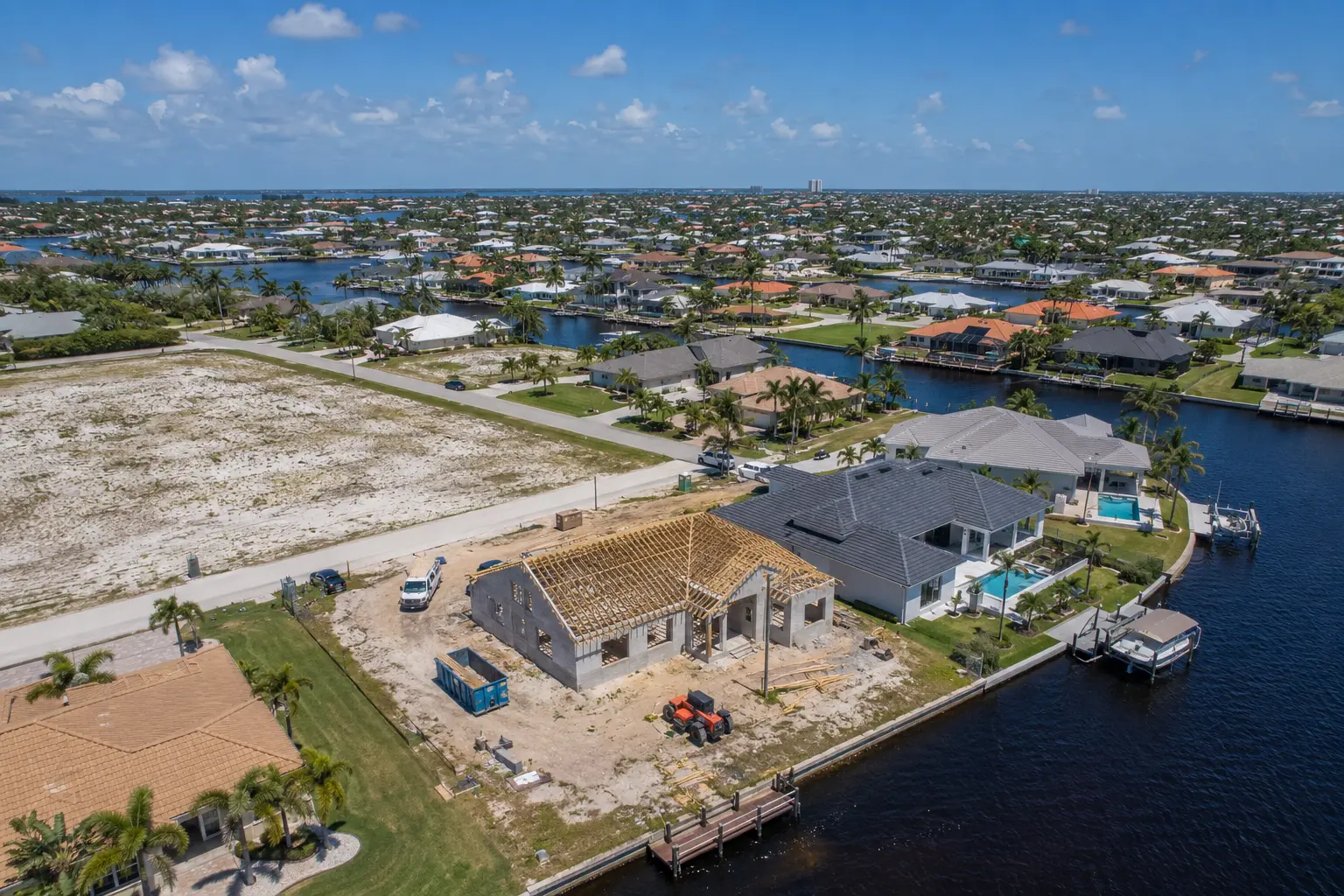
Looking at the Total Project Cost
One of the biggest mistakes buyers make is focusing only on the cost of the house itself.
A successful build involves much more than construction.
The total project budget may include:
- Land acquisition
- Site preparation
- Home construction
- Impact fees
- Utility connections
- Driveways and walkways
- Landscaping
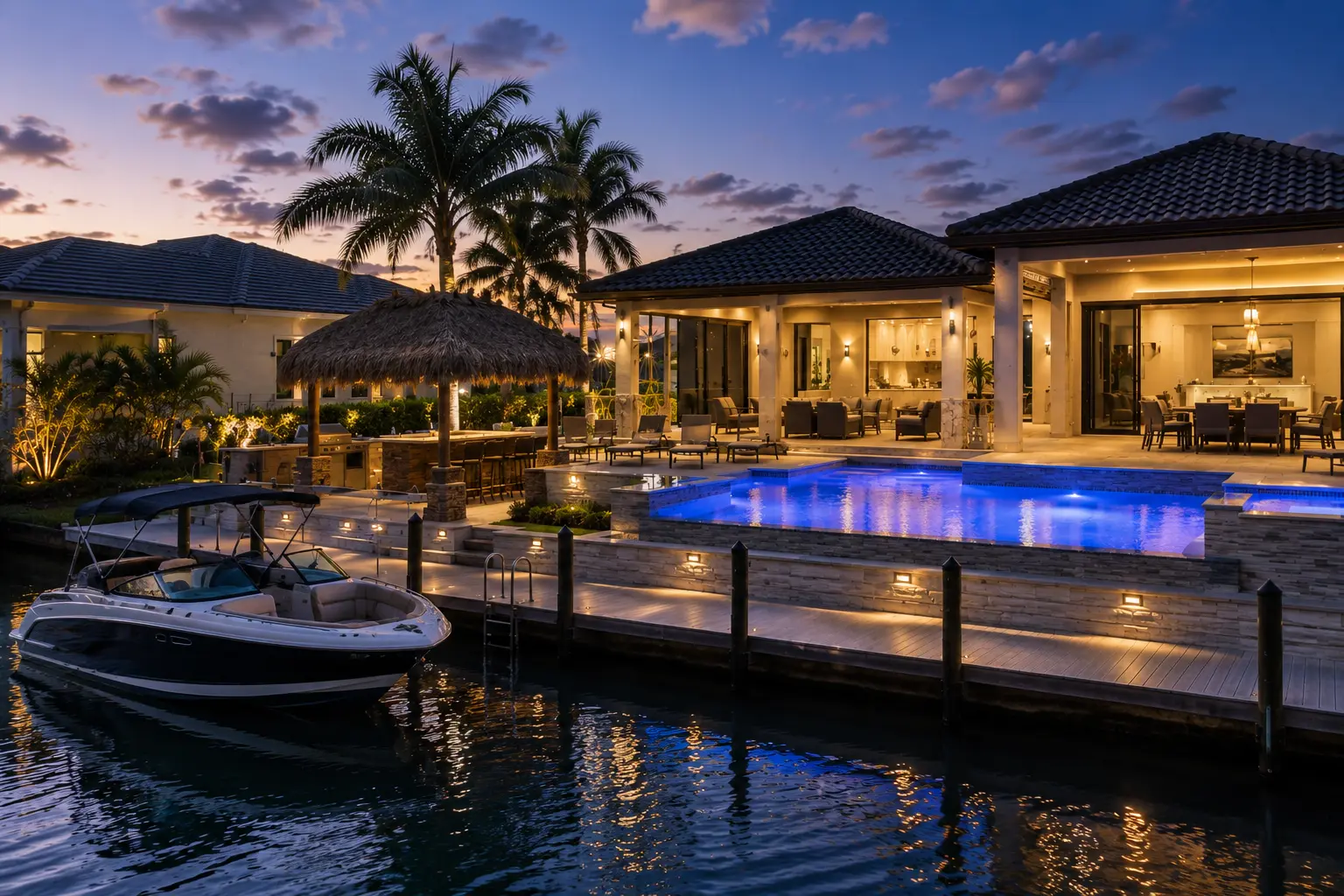
- Pools and outdoor living spaces
- Waterfront improvements
- Financing costs
- Closing costs
Each category contributes to the overall investment required to complete the project.
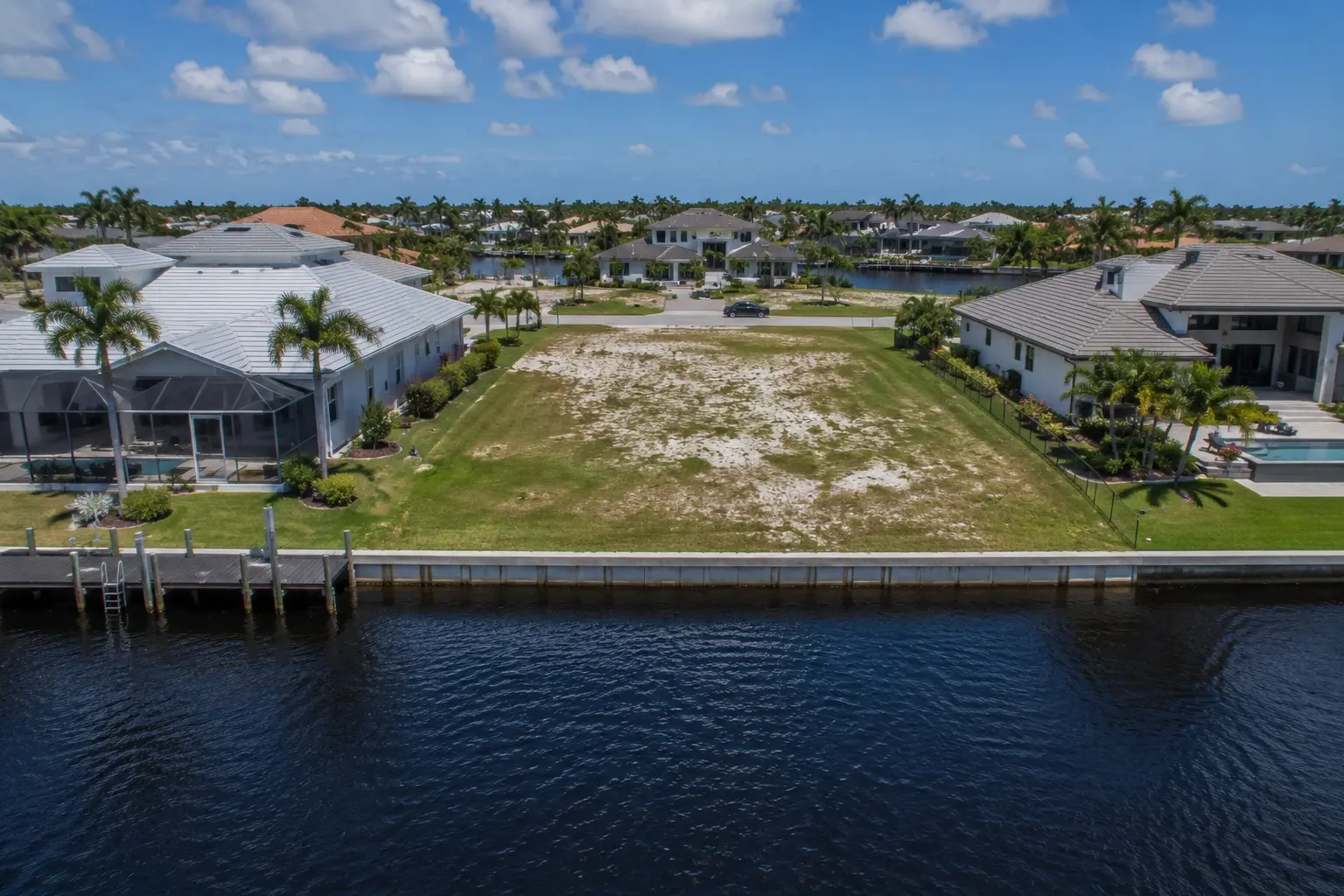
Cost of the Land
The first major component of most projects is the lot itself.
Land prices vary significantly depending on:
- Location
- Neighborhood
- Lot size
- Waterfront access
- Canal type
- Gulf-access characteristics
- Existing seawalls
- Water views
For example, a standard non-canal lot may cost substantially less than a premium Gulf-access waterfront property with sailboat access and an existing seawall.
The lot often becomes one of the largest variables in the overall project budget.
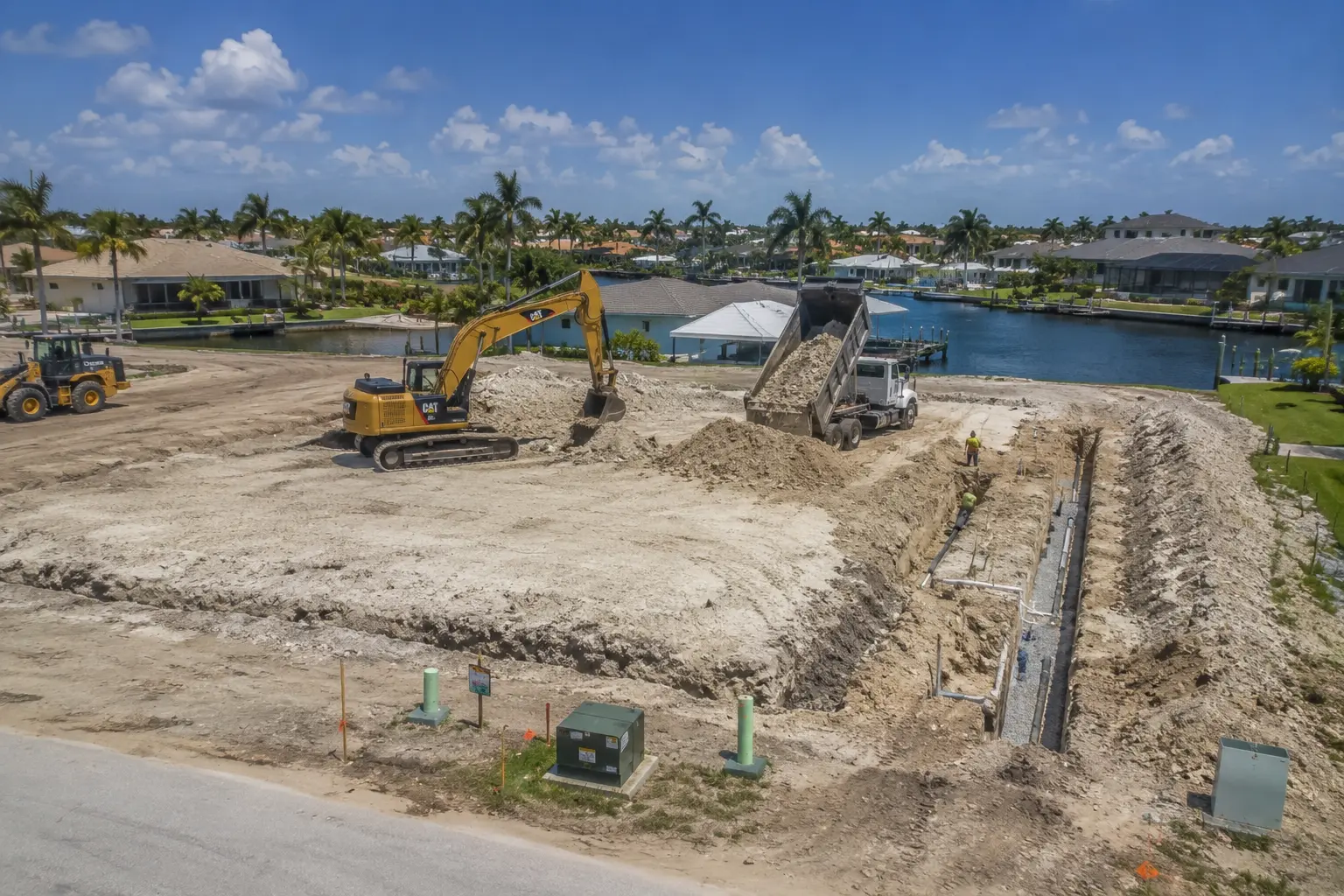
Site Preparation Costs
Before construction can begin, the lot must be prepared for building.
Depending on the property, site preparation may include:
- Clearing vegetation
- Grading
- Imported fill
- Drainage improvements
- Soil preparation
- Building pad preparation
Costs vary depending on the condition of the lot, elevation requirements, and site characteristics.
Lots that already have utilities nearby and minimal site work requirements are often less expensive to prepare than undeveloped or challenging sites.
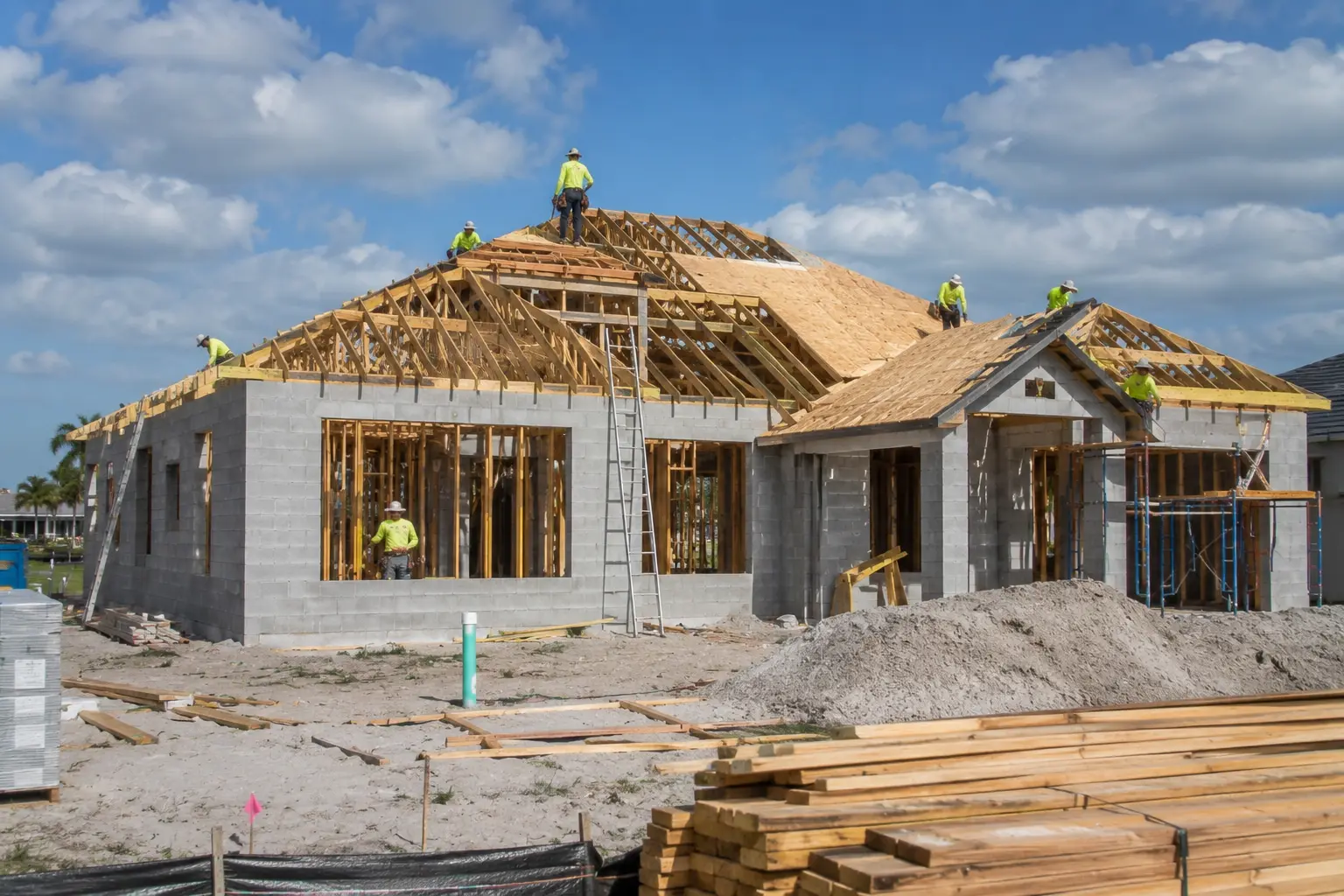
Home Construction Costs
The home itself typically represents the largest portion of the overall project budget.
Construction costs are influenced by factors such as:
- Square footage
- Architectural style
- Number of stories
- Ceiling heights
- Structural features
- Interior finishes
- Builder selection
- Customization level
A semi-custom home and a fully custom waterfront estate can differ dramatically in cost despite occupying similarly sized lots.
Because every project is unique, buyers should evaluate construction costs based on the specific home they intend to build rather than relying on generalized estimates alone.
Waterfront Construction Considerations
Buyers selecting freshwater or Gulf-access lots may encounter additional expenses that non-canal properties do not require.
Potential waterfront-related costs include:
- Seawalls
- Dock construction
- Boat lifts
- Waterfront landscaping
- Shoreline improvements
In many established neighborhoods, seawalls may already exist.
In other areas, particularly some newer sections of the city, buyers may need to budget for seawall installation as part of the project.
Pools and Outdoor Living Spaces
One of the reasons many buyers choose Florida is the outdoor lifestyle.
As a result, pools and outdoor living spaces are among the most popular additions to new homes.
Common upgrades include:
- Swimming pools
- Spas
- Outdoor kitchens
- Extended lanais
- Screen enclosures
- Fire features
- Outdoor entertainment areas
These features can significantly enhance both lifestyle and property value, but they should be considered as part of the overall budget.
Impact Fees and Utility Connections
Most new construction projects involve fees associated with infrastructure and utility services.
These may include:
- Impact fees
- Water connections
- Sewer connections
- Irrigation connections
- Utility activation fees
The specific costs depend on the property’s location and existing infrastructure.
Understanding these expenses before purchasing a lot can help prevent unexpected surprises later.
Construction Financing Costs
Many buyers utilize construction financing rather than paying cash.
Construction loans may involve:
- Loan origination costs
- Interest expenses
- Closing costs
- Construction draw administration
Financing structures vary depending on the lender and project.
Working with experienced construction lenders can help buyers better understand these expenses before construction begins.
Typical Budget Categories
While every project is different, many buyers find it helpful to think about their budget in the following categories:
Land
The homesite and associated acquisition costs.
Site Work
Preparation of the lot for construction.
Construction
The home itself, including labor and materials.
Exterior Improvements
Driveways, landscaping, irrigation, and outdoor features.
Pool and Outdoor Living
Optional enhancements that improve enjoyment and functionality.
Waterfront Improvements
Seawalls, docks, and boat lifts when applicable.
Financing and Closing Costs
Expenses associated with funding and completing the project.
Viewing the project this way helps buyers understand how the pieces fit together.
Custom Home Upgrades Worth Considering
When building a home, buyers often have opportunities to select upgrades that provide long-term value.
Some of the most commonly requested upgrades include:
- Impact-resistant windows and doors
- Larger lanais
- Outdoor kitchens
- Expanded garages
- Higher ceilings
- Smart home systems
- Generator preparation
- Enhanced insulation
- Premium roofing materials
- Energy-efficient mechanical systems
While not every upgrade is necessary, some improvements can increase comfort, efficiency, resale appeal, and long-term enjoyment of the property.
Why New Construction Costs More Than Existing Homes at First Glance
Many buyers compare a new build to an existing home and immediately focus on the difference in purchase price.
However, existing homes may eventually require:
- Roof replacement
- HVAC replacement
- Window upgrades
- Plumbing repairs
- Renovations
- Insurance-related improvements
These future expenses are often not reflected in the listing price.
As a result, the long-term cost difference between building and buying may be smaller than it initially appears.
How Cylina Helps Buyers Understand Building Costs
One of the biggest challenges buyers face is understanding the complete cost of a project before they begin.
Many people focus on construction costs alone and overlook important categories such as lot costs, site work, utilities, waterfront improvements, and long-term ownership expenses.
Cylina helps buyers evaluate:
- Land options
- Builder programs
- Construction budgets
- Waterfront considerations
- Utility requirements
- Insurance implications
- Long-term ownership costs
- Build-versus-buy comparisons
Because she works with buyers throughout the process, she helps clients develop realistic budgets and better understand how various decisions affect the overall investment.
Building a Home Is More Than a Construction Project
Building a home in Cape Coral involves much more than selecting a floor plan and hiring a builder.
It requires understanding land acquisition, construction costs, utilities, financing, insurance considerations, and long-term ownership expenses.
While every project is unique, buyers who take the time to understand the complete financial picture are often better positioned to make informed decisions and avoid costly surprises.
With proper planning, realistic budgeting, and guidance from experienced professionals, building a home in Cape Coral can be one of the most rewarding investments a buyer will ever make.