Hurricane Building Standards
Hurricane Building Standards in Cape Coral
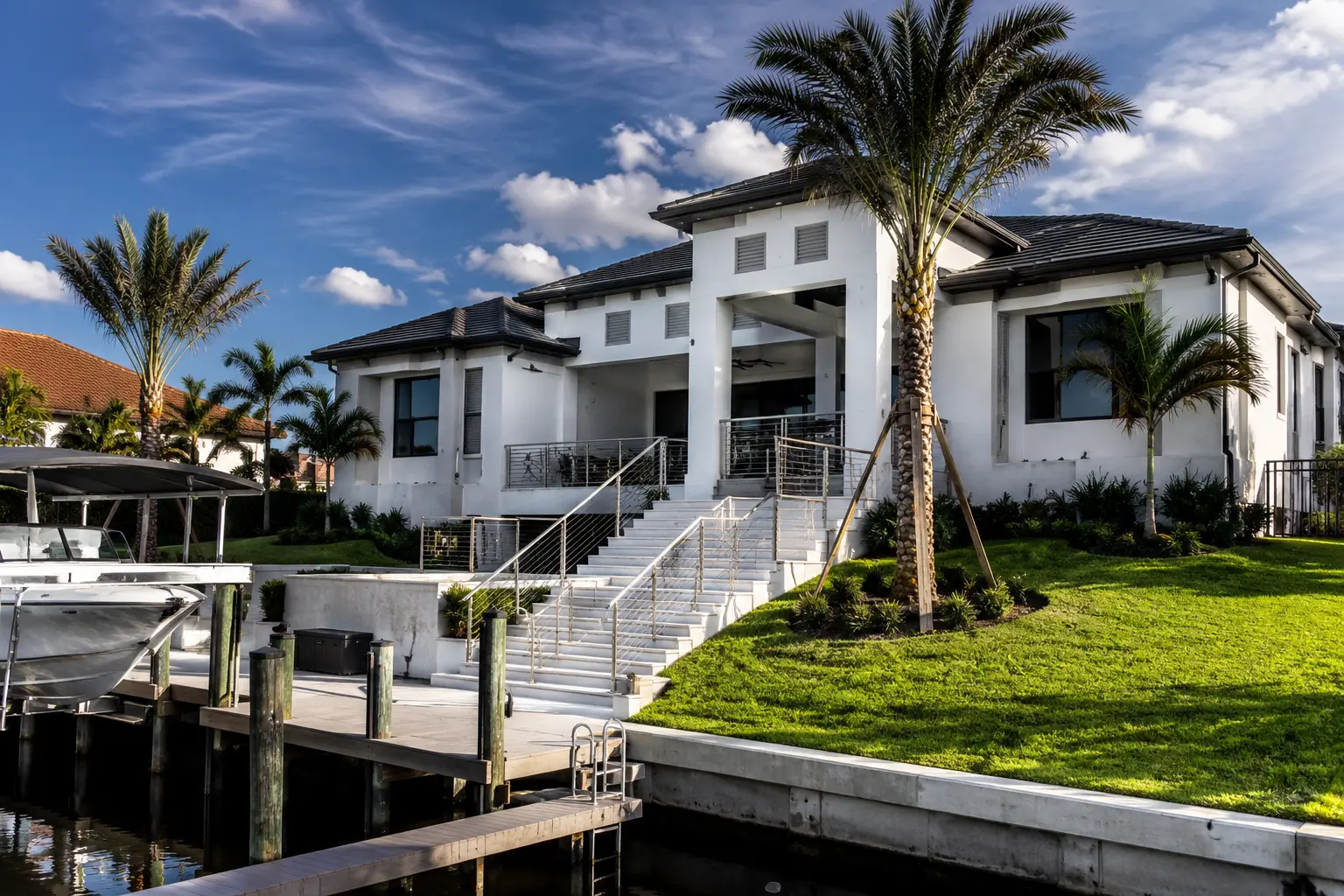
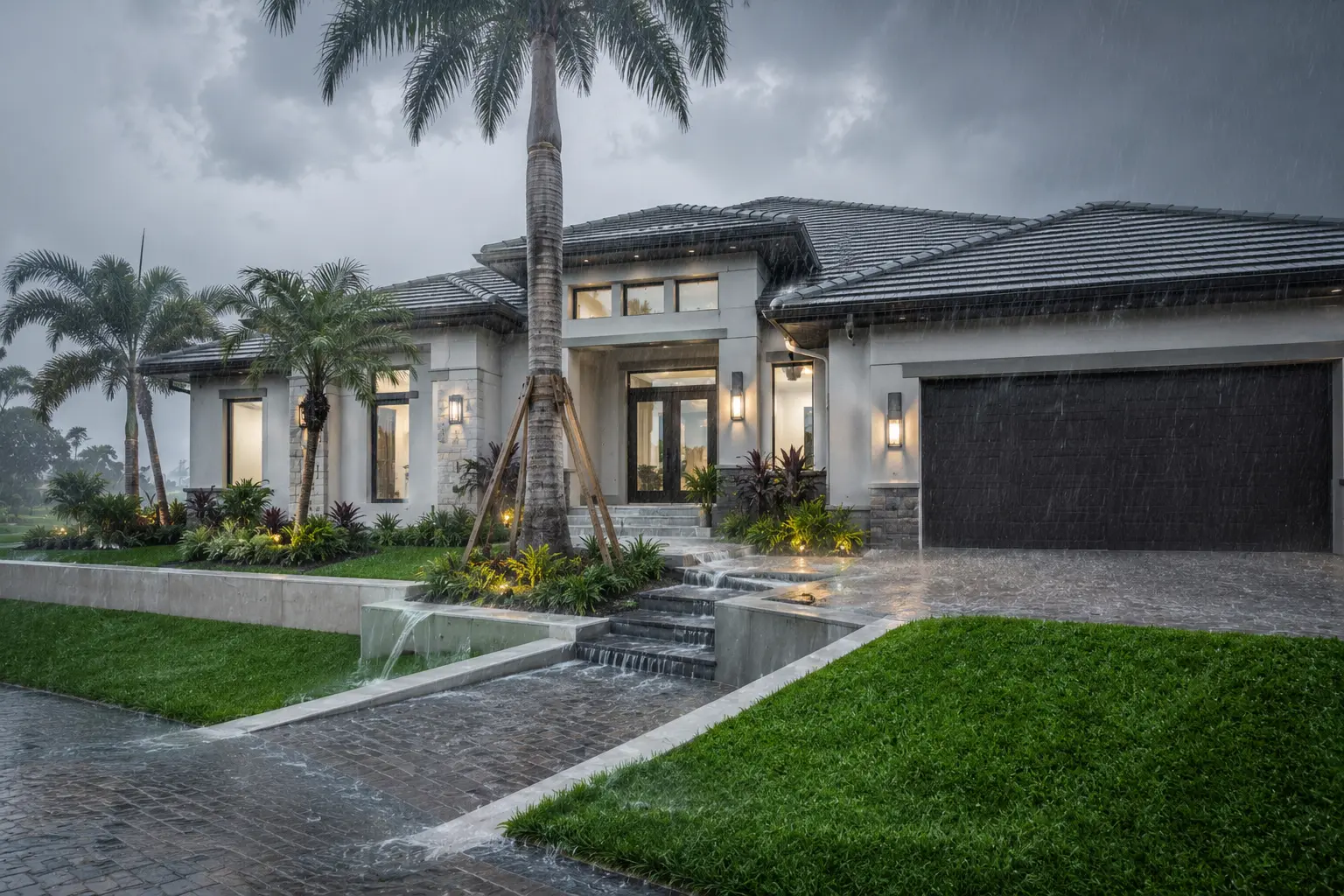
One of the most significant advantages of building a new home in Cape Coral is that it is constructed to modern Florida building codes designed to withstand hurricanes, high winds, heavy rain, and other severe weather conditions.
For many buyers relocating from other parts of the country, Florida’s building requirements can seem complex. However, these standards exist for an important reason: protecting lives, reducing property damage, and improving the long-term durability of homes in a hurricane-prone environment.
Today’s newly constructed homes are dramatically different from homes built decades ago. Advances in engineering, materials, and building practices have resulted in stronger, safer, and more resilient homes than ever before.
In addition to enhanced protection, modern construction standards often translate into lower insurance costs and fewer maintenance concerns compared to many older homes.
Why Florida Building Codes Are Different
Florida experiences unique weather conditions that require specialized construction methods.
Homes must be designed to withstand:
- High wind events
- Hurricane-force gusts
- Wind-driven rain
- Flying debris
- Flooding in certain areas
- Intense heat and humidity
As a result, Florida has some of the strictest residential building standards in the country.
Following major storms such as Hurricane Andrew, building codes throughout Florida were significantly strengthened, leading to major improvements in residential construction practices.
Many of today’s requirements were developed specifically to improve a home’s ability to withstand severe weather events.
Stronger Structural Systems
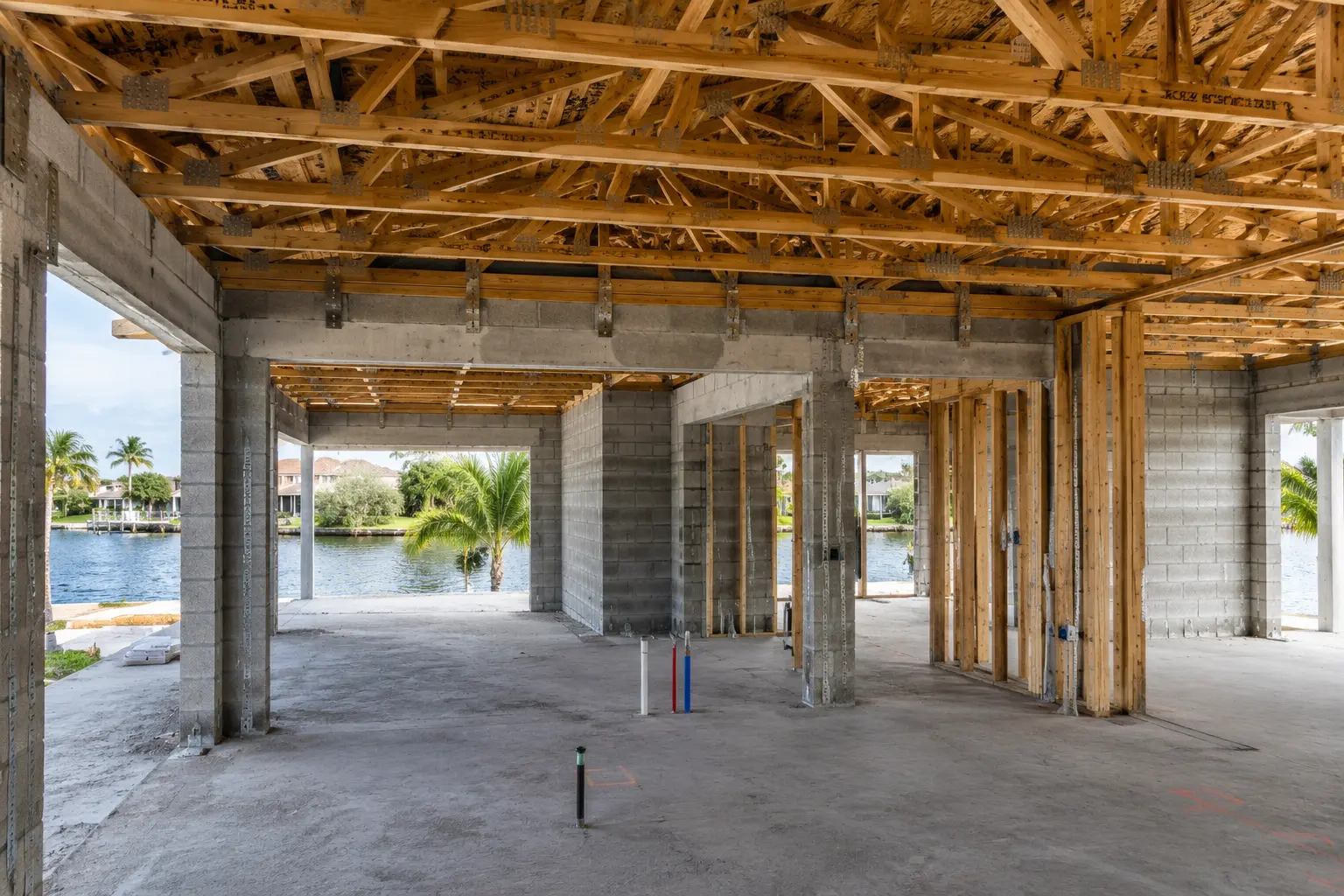
Modern homes in Cape Coral are typically built using reinforced concrete block construction and engineered structural systems designed to resist high wind loads.
These systems often include:
- Reinforced concrete foundations
- Concrete block exterior walls
- Engineered roof truss systems
- Structural tie-down connections
- Reinforced load paths from roof to foundation
Rather than relying on individual components, modern construction creates a continuous structural system designed to transfer wind forces safely throughout the home.
This integrated approach helps reduce the risk of major structural damage during severe storms.
Impact-Resistant Windows and Doors
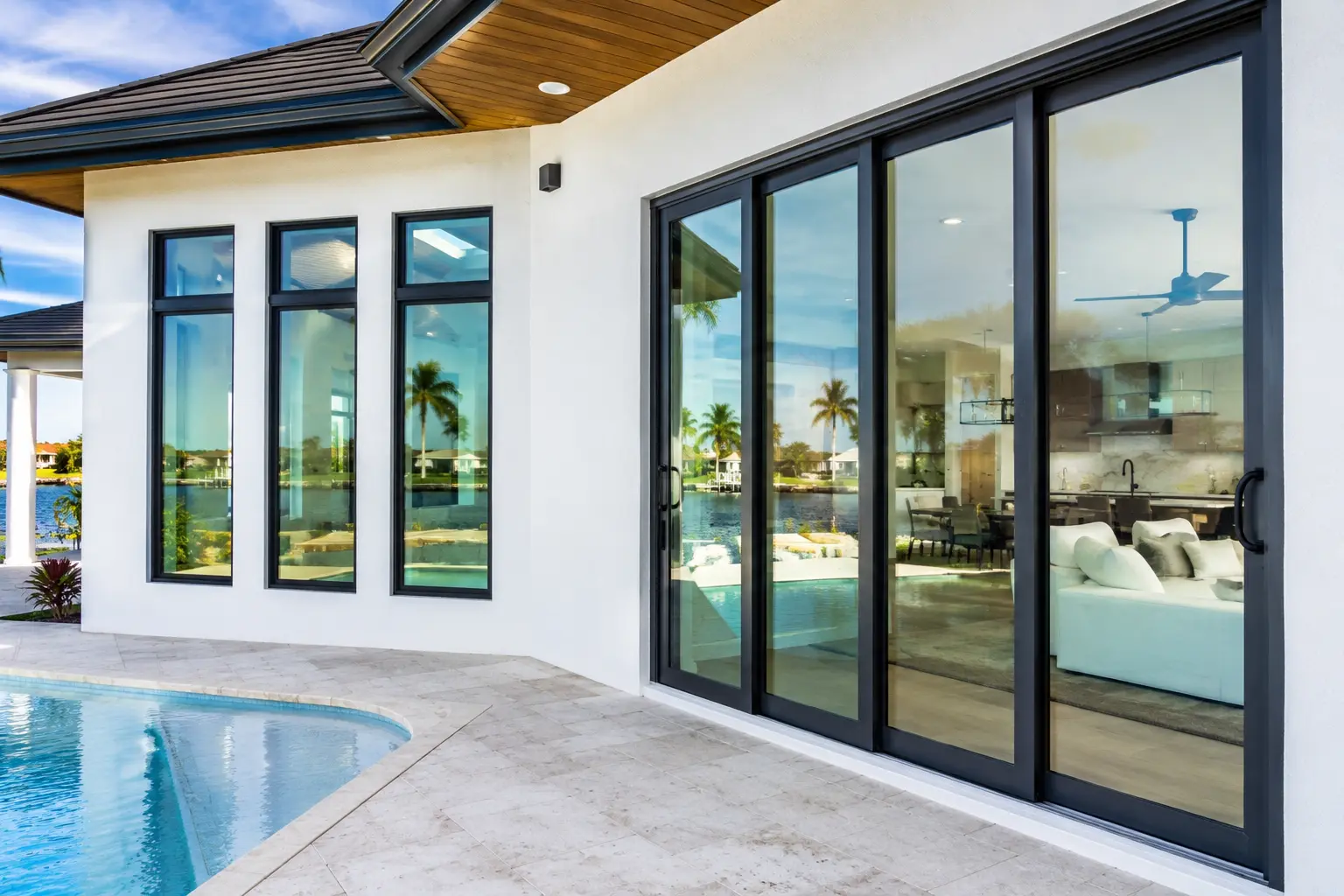
One of the most noticeable differences between many new and older homes is the use of impact-resistant windows and doors.
Impact-rated products are engineered to resist debris carried by hurricane-force winds.
These systems help:
- Protect the home’s interior
- Reduce water intrusion
- Improve safety
- Minimize storm preparation
- Eliminate the need for many traditional shutters
Many buyers consider impact windows one of the most valuable features of modern Florida construction.
Beyond storm protection, they can also improve energy efficiency, reduce outside noise, and provide enhanced security.
Improved Roofing Systems
The roof is often one of the most vulnerable parts of any home during a hurricane.
Modern construction standards require stronger roof attachment systems and improved installation methods.
These improvements may include:
- Enhanced roof-to-wall connections
- Engineered fastening systems
- Improved roof decking attachment
- Stronger underlayment systems
- Modern roofing materials
These upgrades help reduce the likelihood of roof failure during high-wind events and contribute to improved long-term durability.
Better Moisture Protection
Florida homes must withstand more than hurricanes.
Heat, humidity, and heavy rainfall create ongoing challenges that require specialized construction techniques.
Modern homes are designed with:
- Improved drainage systems
- Moisture-resistant materials
- Enhanced waterproofing
- Modern flashing techniques
- Better ventilation systems
These improvements help reduce the likelihood of water intrusion and moisture-related issues over time.
New Construction and Insurance Savings
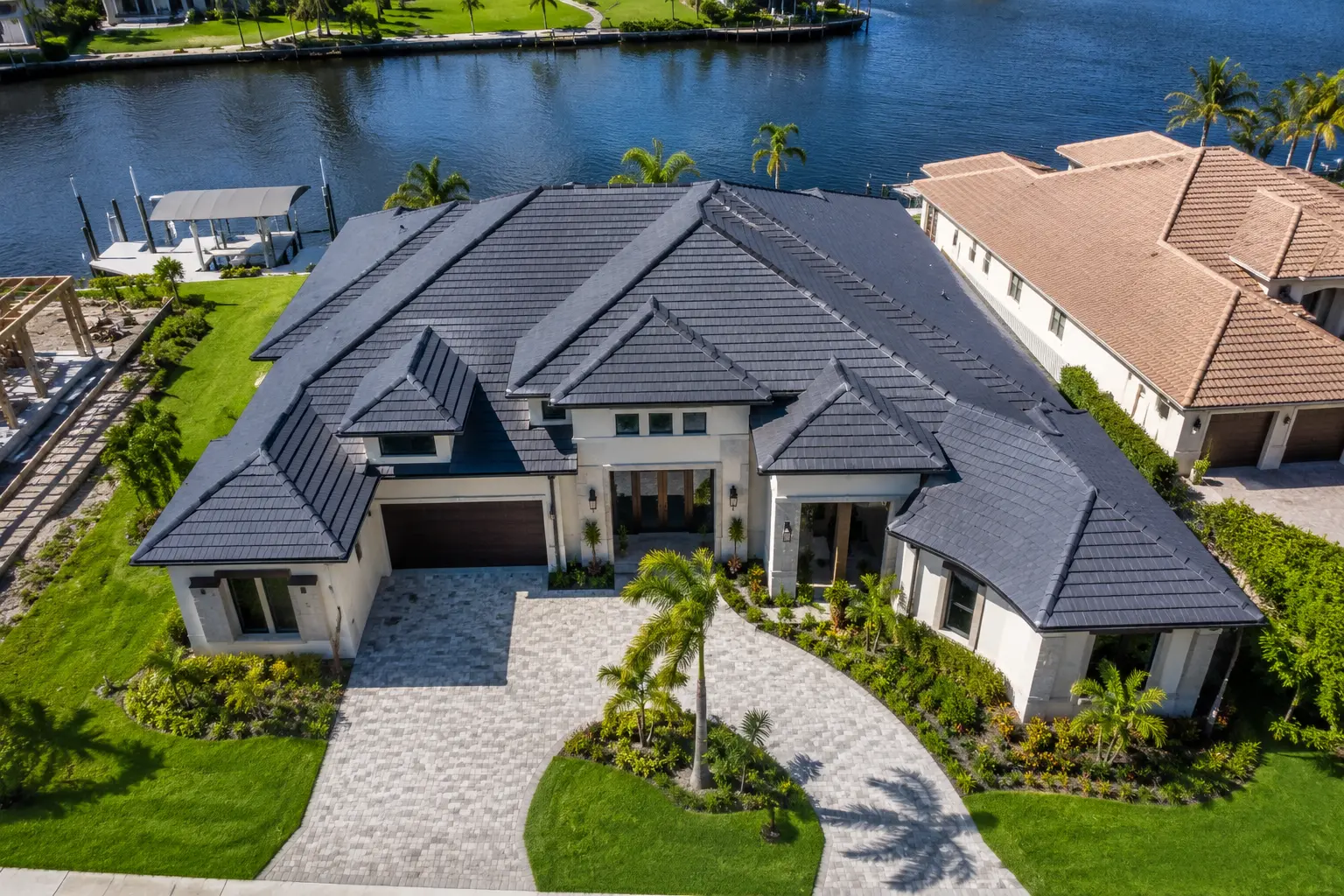
One of the most overlooked advantages of building a new home is the potential for significant insurance savings.
Insurance companies evaluate many factors when determining premiums, including:
- Age of the home
- Roof age
- Building materials
- Wind mitigation features
- Impact-resistant openings
- Structural design
- Building code compliance
Because new homes are built to current standards, they often qualify for favorable insurance treatment compared to older properties.
While insurance costs vary by location, carrier, and individual property characteristics, many buyers find that a newly constructed home can be less expensive to insure than an older home with outdated components.
Why Older Homes Often Cost More to Insure
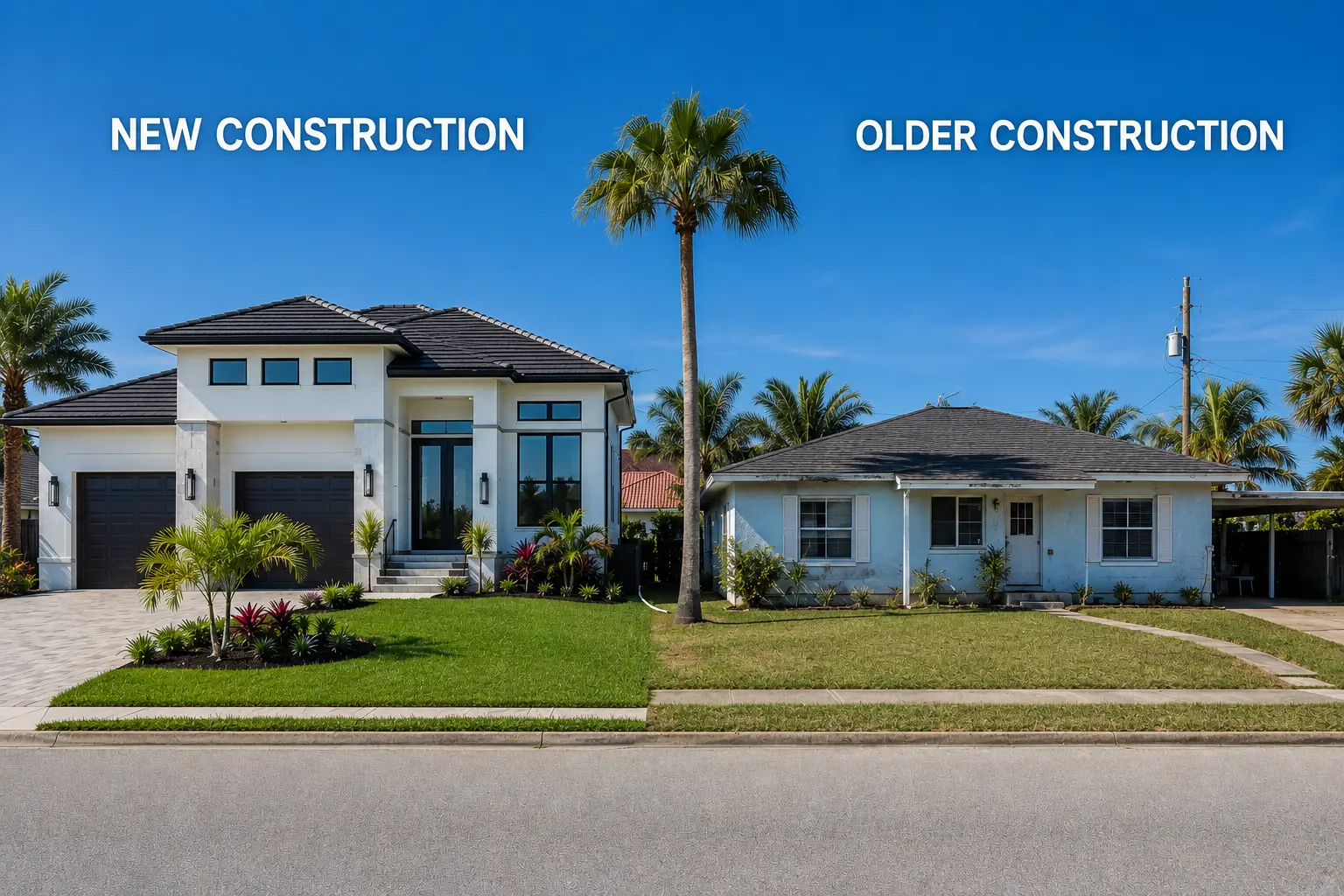
Many older homes in Southwest Florida were built under earlier building codes and may not include the protective features found in today’s construction.
Common concerns that can affect insurance costs include:
- Older roofs
- Non-impact windows
- Outdated garage doors
- Aging electrical systems
- Older plumbing systems
- Reduced wind mitigation features
Even when an older home has been updated, insurance companies may still evaluate certain components differently than they would in a newly constructed home.
As a result, buyers are often surprised to learn that a lower purchase price on an older home does not always translate into lower long-term ownership costs.
Higher insurance premiums can significantly impact the overall cost of ownership.
Wind Mitigation Benefits
Many new homes qualify for wind mitigation credits that can help reduce insurance premiums.
Wind mitigation inspections evaluate features such as:
- Roof shape
- Roof-to-wall attachments
- Secondary water barriers
- Impact-resistant openings
- Structural connections
Because many of these features are standard in modern construction, new homes frequently perform well during wind mitigation evaluations.
These savings can continue year after year throughout homeownership.
Building for Long-Term Value
While hurricane protection is often discussed in terms of safety, it also affects long-term value.
Homes built to modern standards may offer:
- Lower insurance costs
- Reduced maintenance expenses
- Better energy efficiency
- Increased buyer appeal
- Greater peace of mind
For many buyers, these advantages become increasingly important over time.
The value of modern construction extends far beyond the initial building process.
How Cylina Helps Buyers Evaluate New Construction
Many buyers compare new construction and existing homes based primarily on purchase price.
However, the true cost of ownership involves much more than the initial price tag.
Cylina helps buyers evaluate the bigger picture by considering factors such as:
- Insurance costs
- Wind mitigation benefits
- Long-term maintenance expenses
- Construction quality
- Builder reputation
- Future resale value
In many situations, buyers discover that a newly constructed home offers advantages that may not be obvious when simply comparing listing prices.
By helping clients understand the differences between older homes and modern construction, Cylina helps buyers make informed decisions that align with both their lifestyle and long-term financial goals.
A Stronger Home for Florida Living
Modern building standards have transformed residential construction throughout Southwest Florida.
Today’s homes are stronger, more efficient, and better equipped to withstand Florida’s unique environmental challenges than homes built just a few decades ago.
For buyers considering whether to build or buy, understanding the advantages of modern hurricane-resistant construction is an important part of the decision-making process.
When combined with potential insurance savings, improved energy efficiency, and reduced maintenance concerns, new construction offers benefits that extend well beyond the day you move in.