Complete Guide to Building a Home in Cape Coral
Complete Guide to Building a Home in Cape Coral
Building a home in Cape Coral gives buyers the opportunity to create a property that fits their lifestyle, design preferences, and long-term goals. While purchasing an existing home can be the right choice for some buyers, many people are drawn to the flexibility and advantages that come with building a brand-new home designed specifically for their needs.
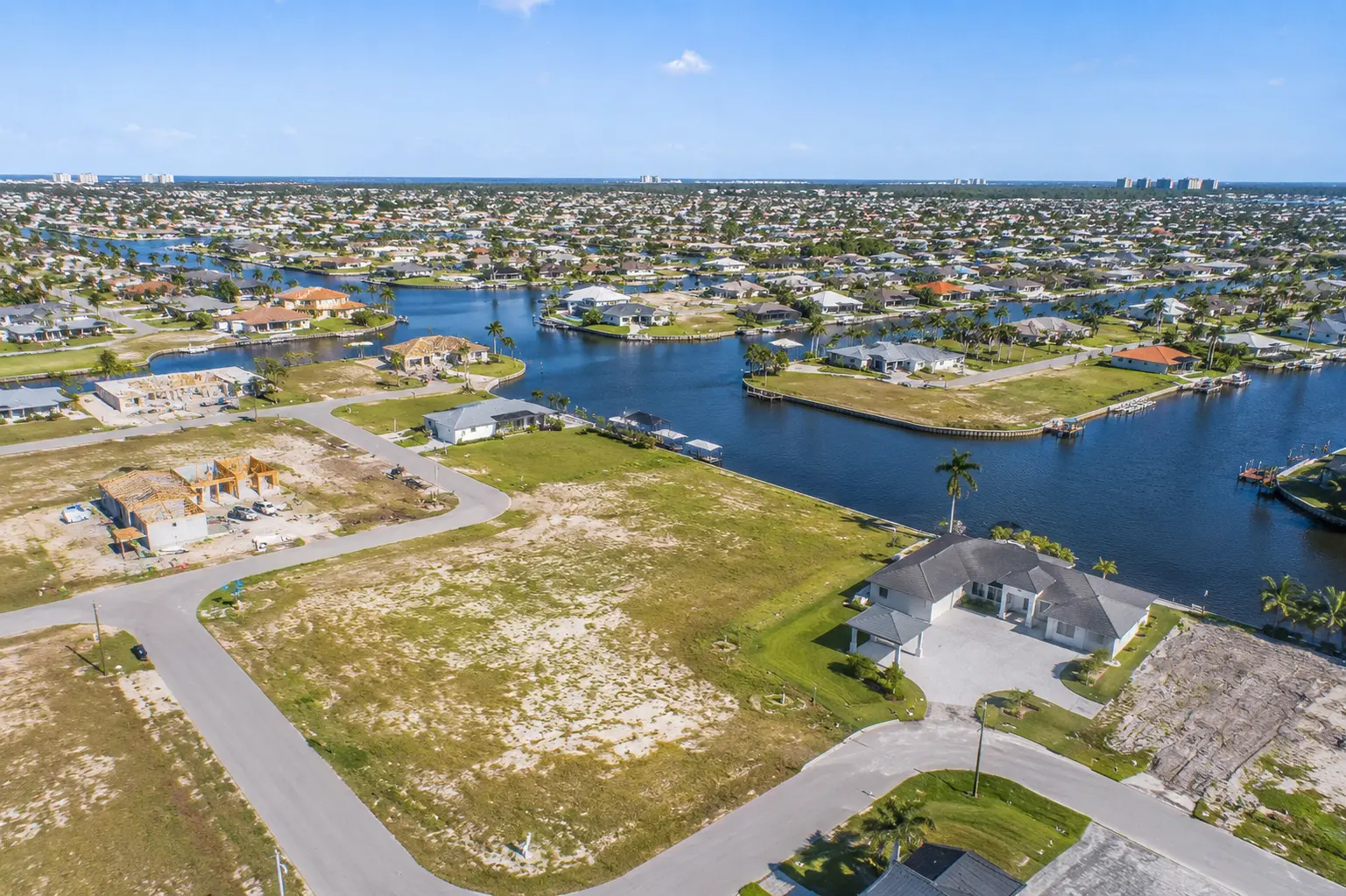
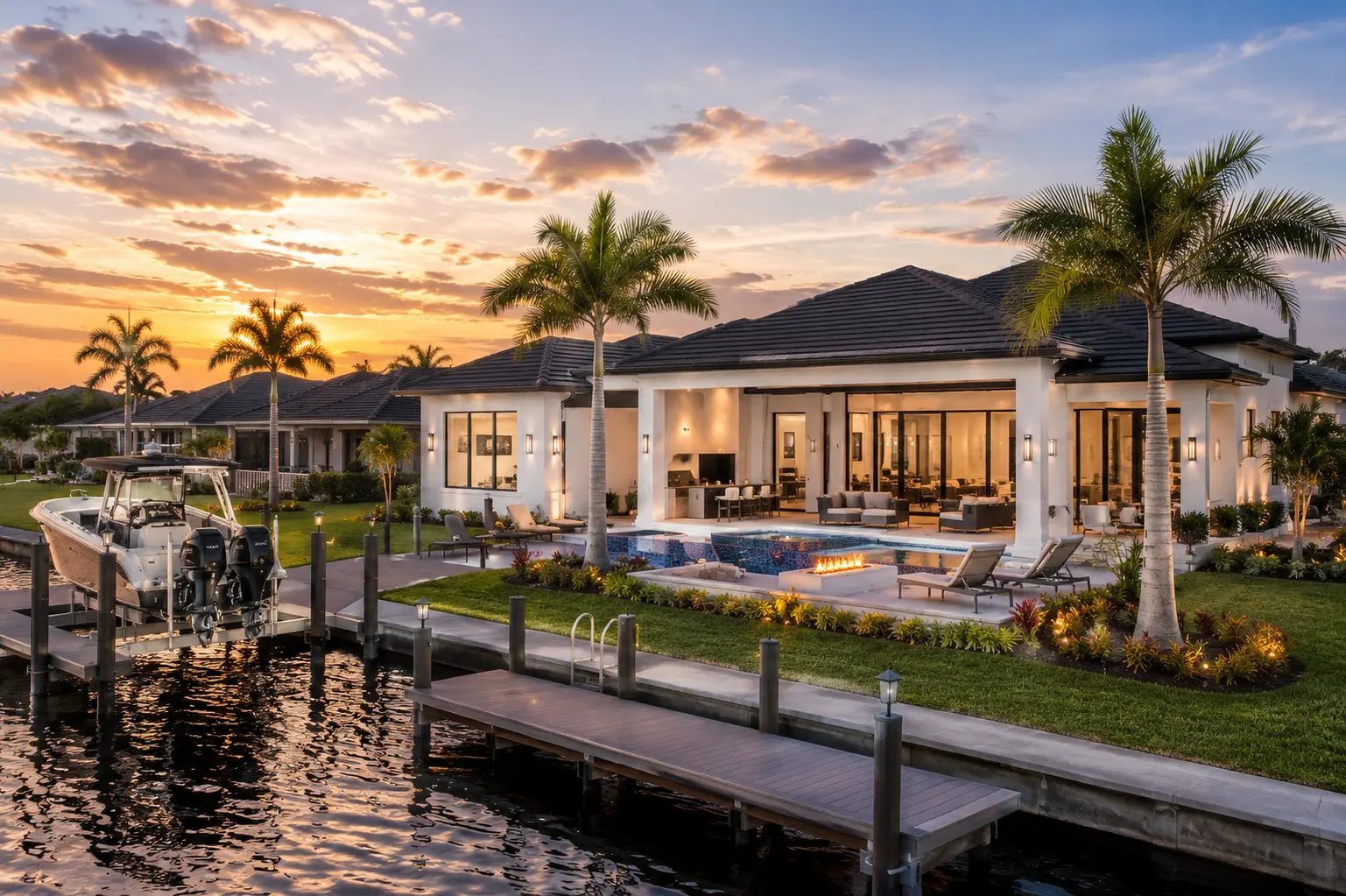
Cape Coral is one of Florida’s most unique real estate markets. With thousands of vacant residential lots, hundreds of miles of canals, and ongoing development throughout the city, buyers continue to have opportunities to purchase land and build homes that would be difficult to find in many other coastal communities.
For first-time builders, the process can seem overwhelming. However, when broken down into manageable steps, building a home becomes far easier to understand. This guide provides an overview of the entire journey, from selecting a lot to moving into your completed home.
Why Build in Cape Coral?
Cape Coral offers a combination of affordability, lifestyle, and development opportunities that make new construction attractive to many buyers.
Unlike many Florida communities that are largely built out, Cape Coral still contains substantial residential inventory in the form of vacant lots. Buyers can often choose from waterfront properties, freshwater canal lots, and traditional inland homesites depending on their budget and lifestyle preferences.
Building also allows buyers to take advantage of modern construction standards, energy-efficient systems, contemporary floor plans, and hurricane-resistant building practices that may not be available in older homes.
For many relocating buyers, building provides an opportunity to avoid the compromises often associated with purchasing an existing home.
Step 1: Define Your Goals
Before looking at lots, floor plans, or builders, it is important to clearly define your objectives.
Questions to consider include:
- Will the home be a primary residence, vacation home, or investment property?
- Do you want waterfront access?
- Is boating important?
- How much living space do you need?
- What features are essential?
- What is your overall budget?
Establishing priorities early helps guide decisions throughout the building process and prevents costly changes later.
Step 2: Determine Your Budget
Understanding your budget is one of the most important steps in the process.
The total cost of a new home involves much more than construction alone. Buyers must also account for land acquisition, site preparation, permits, utility connections, impact fees, landscaping, pools, seawalls, docks, furnishings, and contingency expenses.
Many buyers are surprised to learn that two homes with identical floor plans can have dramatically different total costs depending on the lot selected and the improvements required.
Creating a realistic budget before beginning the process helps ensure a smoother experience.
Step 3: Choose the Right Lot
The homesite serves as the foundation for every decision that follows.
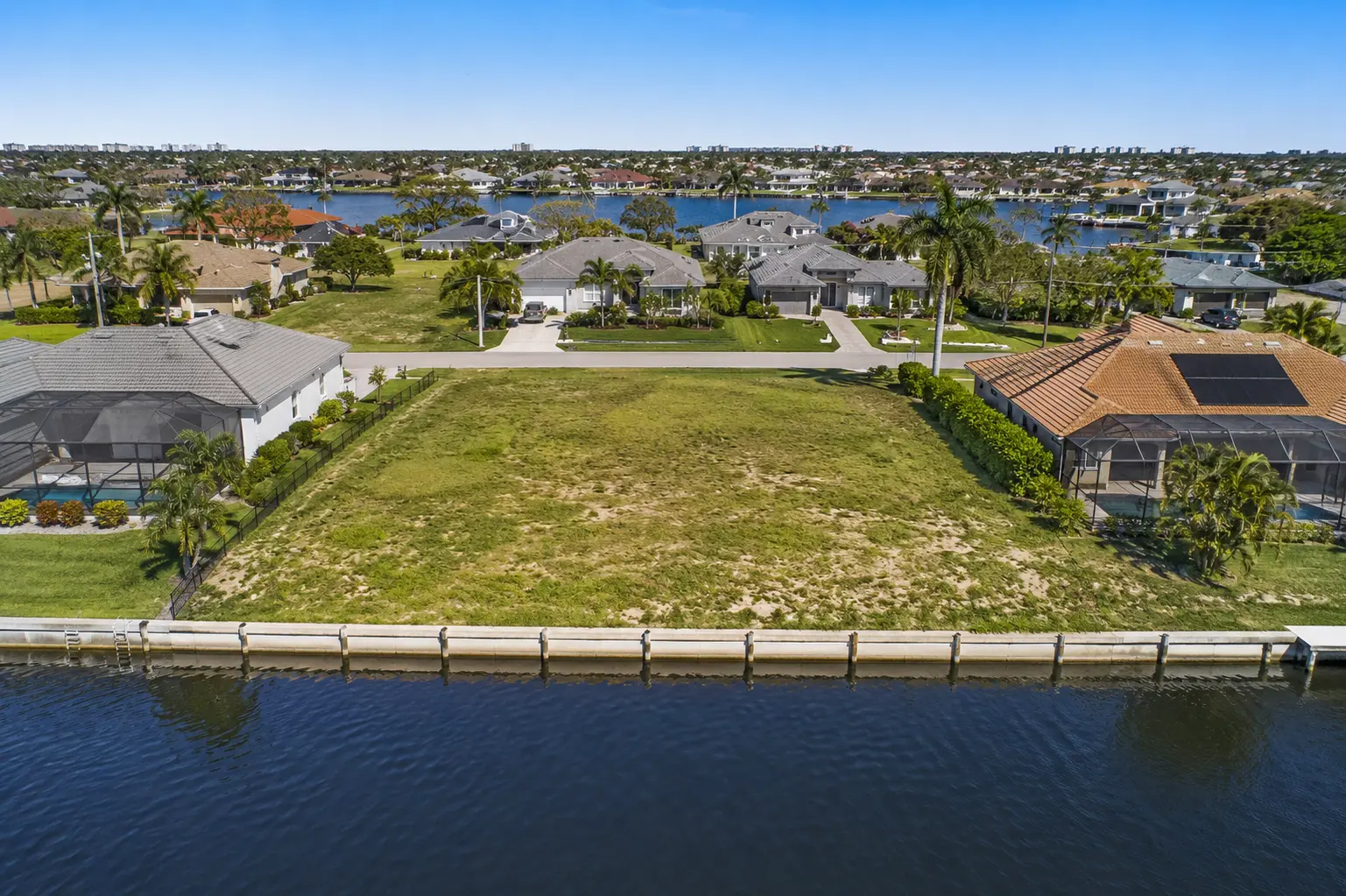
Cape Coral offers a wide variety of lot types, including:
- Gulf access canal lots
- Freshwater canal lots
- Dry residential lots
- Corner lots
- Oversized lots
- Triple lots
Each property presents unique opportunities and considerations. Factors such as location, water access, neighborhood characteristics, flood zones, utility availability, lot dimensions, and future development plans should all be evaluated before purchasing land.
A desirable lot can significantly enhance both enjoyment and future resale value.
Step 4: Select a Builder
Once a lot has been selected, the next step is choosing a builder.
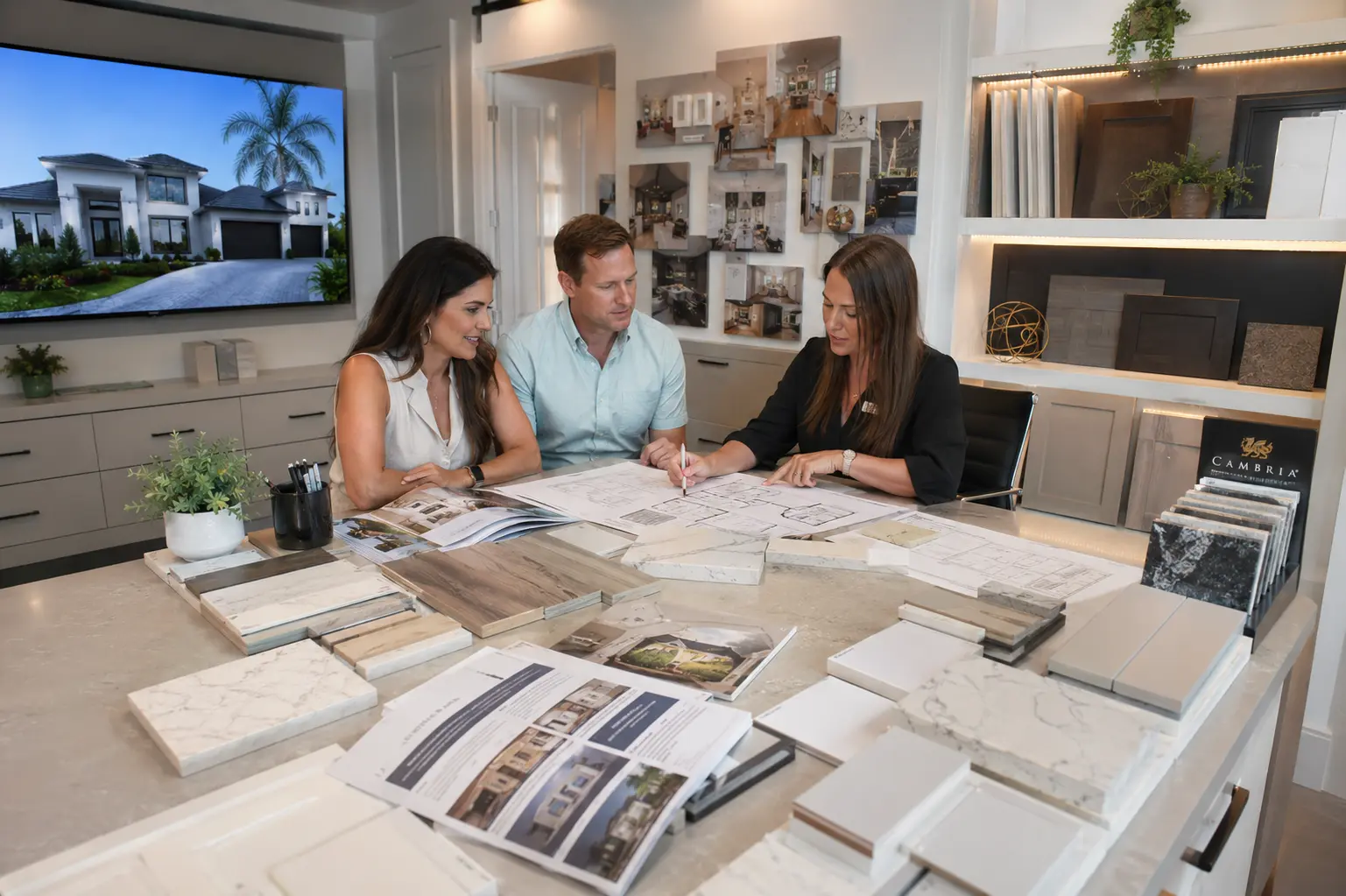
Cape Coral is home to numerous custom and semi-custom builders offering a wide range of home styles, floor plans, and pricing options. Some builders offer extensive customization, while others focus on streamlined building programs that simplify the process.
When evaluating builders, buyers should review:
- Experience and reputation
- Previous projects
- Construction quality
- Communication practices
- Warranty coverage
- Included features
- Upgrade options
Choosing the right builder is one of the most important decisions in the entire project.
Step 5: Design the Home
The design phase transforms ideas into a detailed construction plan.
Some buyers choose fully custom homes created from the ground up, while others select existing floor plans and personalize specific features.
Common design decisions include:
- Number of bedrooms and bathrooms
- Garage size
- Home office space
- Outdoor living areas
- Pool and spa design
- Kitchen layout
- Ceiling heights
- Window placement
- Flooring selections
- Cabinetry and finishes
The design process is an opportunity to create a home that reflects your lifestyle while balancing functionality and budget.
Step 6: Financing the Project
Many buyers finance new construction using specialized construction loan programs.
Depending on the lender and project structure, financing may involve:
- Construction-to-permanent loans
- Land loans
- Conventional financing
- VA construction financing
- Cash purchases
Because financing options vary significantly, buyers should begin conversations with lenders early in the process to understand qualification requirements and available loan programs.
Step 7: Permits and Approvals
Before construction can begin, plans must be reviewed and approved by the appropriate authorities.
Permitting typically includes review of building plans, engineering documents, site plans, utility requirements, and code compliance.
While the permitting process often occurs behind the scenes, it represents a critical stage that ensures the home meets applicable safety and construction standards.
Permit timelines can vary depending on project complexity and review requirements.
Step 8: Construction Begins
Once permits have been issued, physical construction can begin.
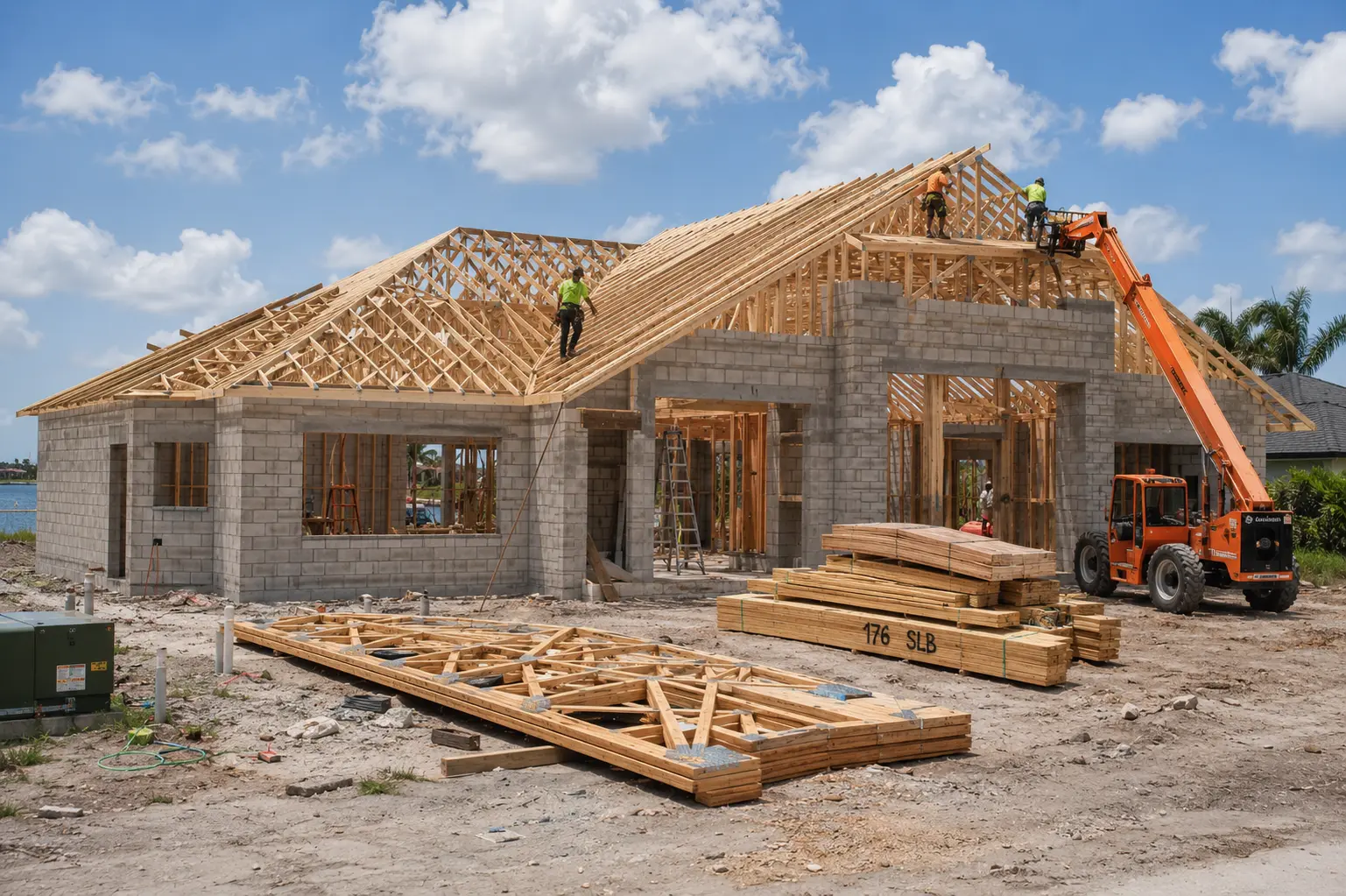
Although every project is unique, most homes follow a similar sequence:
- Site preparation
- Foundation work
- Block construction and framing
- Roofing installation
- Mechanical systems
- Drywall and interior finishes
- Flooring and cabinetry
- Exterior improvements
- Final inspections
Throughout construction, multiple inspections help verify compliance with applicable building codes and approved plans.
Step 9: Inspections and Final Completion
As construction nears completion, the home undergoes final inspections to verify that all systems and components meet applicable standards.
Any remaining punch-list items are addressed before the builder receives final approvals and the home is prepared for occupancy.
This phase provides an opportunity to ensure all agreed-upon work has been completed and that the finished product meets expectations.
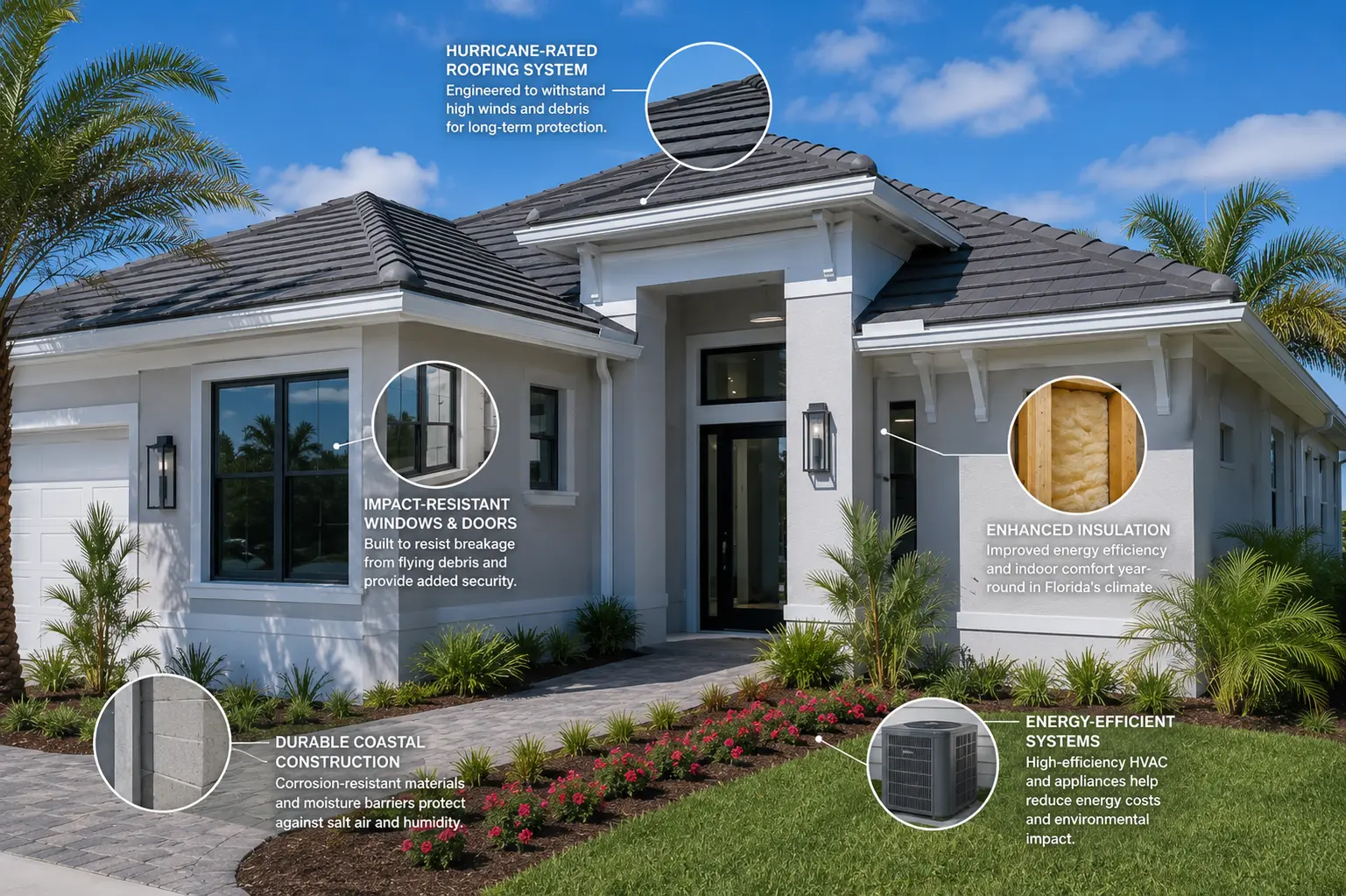
Building for Florida’s Climate
One of the major advantages of new construction is the incorporation of modern building standards specifically designed for Florida’s environment.
Today’s homes commonly include:
- Impact-resistant windows and doors
- Enhanced roof attachment systems
- Improved wind resistance
- Modern insulation
- Energy-efficient HVAC systems
- Moisture-resistant construction materials
These features can improve durability, comfort, and long-term operating costs.
Common Challenges to Expect
Every construction project involves decisions, timelines, and occasional unexpected developments.
Weather delays, material availability, permitting schedules, and design changes can all affect the building process. Understanding that some adjustments may occur along the way helps maintain realistic expectations.
Working with experienced professionals and maintaining clear communication throughout the project can significantly reduce stress and improve outcomes.
Is Building Right for You?
Building a home is not the right solution for every buyer. Some people prefer the speed and simplicity of purchasing an existing home.
However, buyers who value customization, modern construction standards, energy efficiency, and the ability to choose their location often find that building provides advantages that are difficult to replicate through resale properties.
For many people relocating to Southwest Florida, building offers an opportunity to create a home that fully reflects their vision for Florida living.
Begin Your Cape Coral Building Journey
Building a home in Cape Coral can be an exciting and rewarding experience when approached with proper planning and guidance.
By understanding the process, selecting the right lot, working with a qualified builder, and preparing for each stage of construction, buyers can move forward with confidence and make informed decisions along the way.
The resources throughout this website provide detailed information about every aspect of building in Cape Coral, helping you navigate the journey from vacant lot to finished home.