Energy Efficiency and Long-Term Value
Energy Efficiency and Long-Term Value
When comparing the cost of building a new home versus purchasing an existing one, many buyers focus almost entirely on the purchase price.
While purchase price is important, it represents only the beginning of the ownership experience.
Over time, homeowners also pay for:
- Electricity
- Air conditioning
- Maintenance
- Repairs
- Insurance
- System replacements
- Home improvements
These ongoing expenses can add up significantly over the years.
As a result, many buyers discover that long-term value is not determined solely by what a home costs to buy. It is also influenced by what it costs to own.
This is one area where modern new construction often provides meaningful advantages.
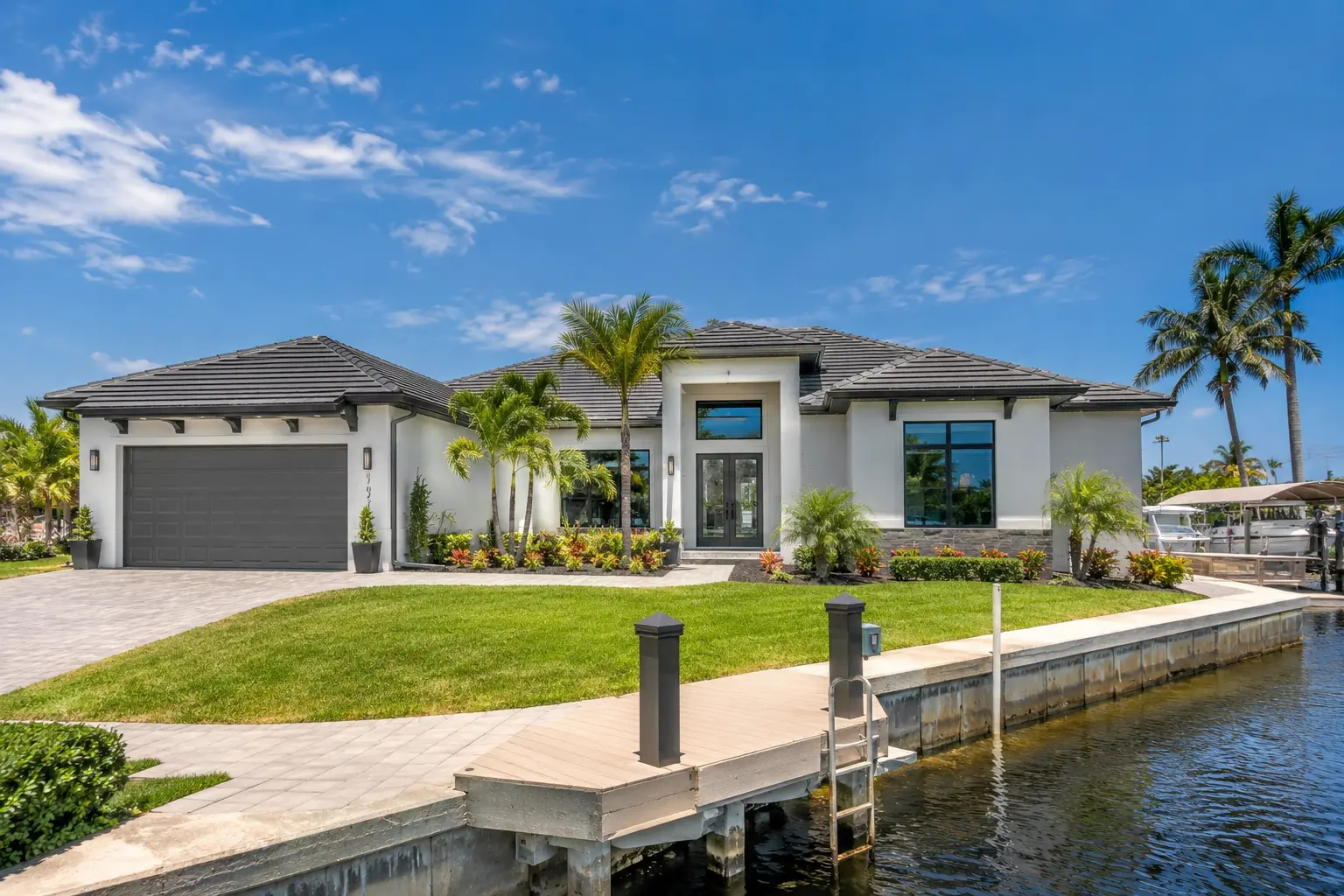
What Is Energy Efficiency?
Energy efficiency refers to how effectively a home uses energy while maintaining comfort.
An energy-efficient home requires less energy to:
- Cool the interior
- Heat water
- Operate appliances
- Power lighting
- Maintain comfortable living conditions
Because Southwest Florida experiences warm temperatures throughout much of the year, energy efficiency can play an important role in overall ownership costs.
Why Energy Efficiency Matters in Florida
Florida homeowners depend heavily on air conditioning.
In many homes, cooling costs represent one of the largest utility expenses.
Even small improvements in efficiency can affect:
- Monthly utility bills
- Indoor comfort
- System longevity
- Overall ownership costs
Over the course of many years, these savings can become substantial.
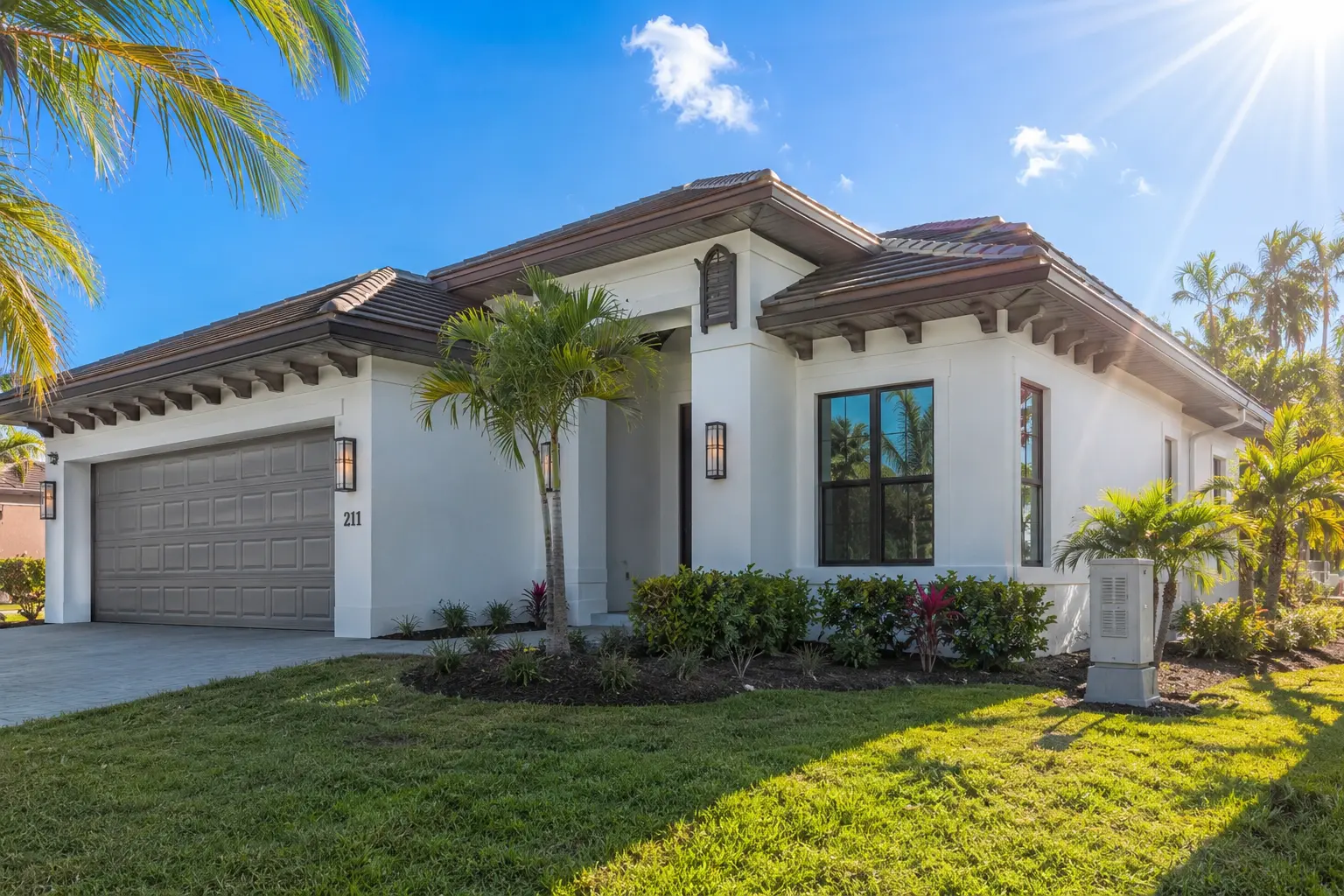
Modern Construction Is Designed for Efficiency
One advantage of building a new home is that energy efficiency is incorporated into the design from the beginning.
Modern homes often include:
- Improved insulation
- Energy-efficient windows
- High-performance roofing systems
- Modern HVAC equipment
- Better air sealing
- Energy-efficient lighting
- Smart home technology
These features work together to reduce energy consumption while improving comfort throughout the home.
Many older homes simply were not designed according to the same standards.
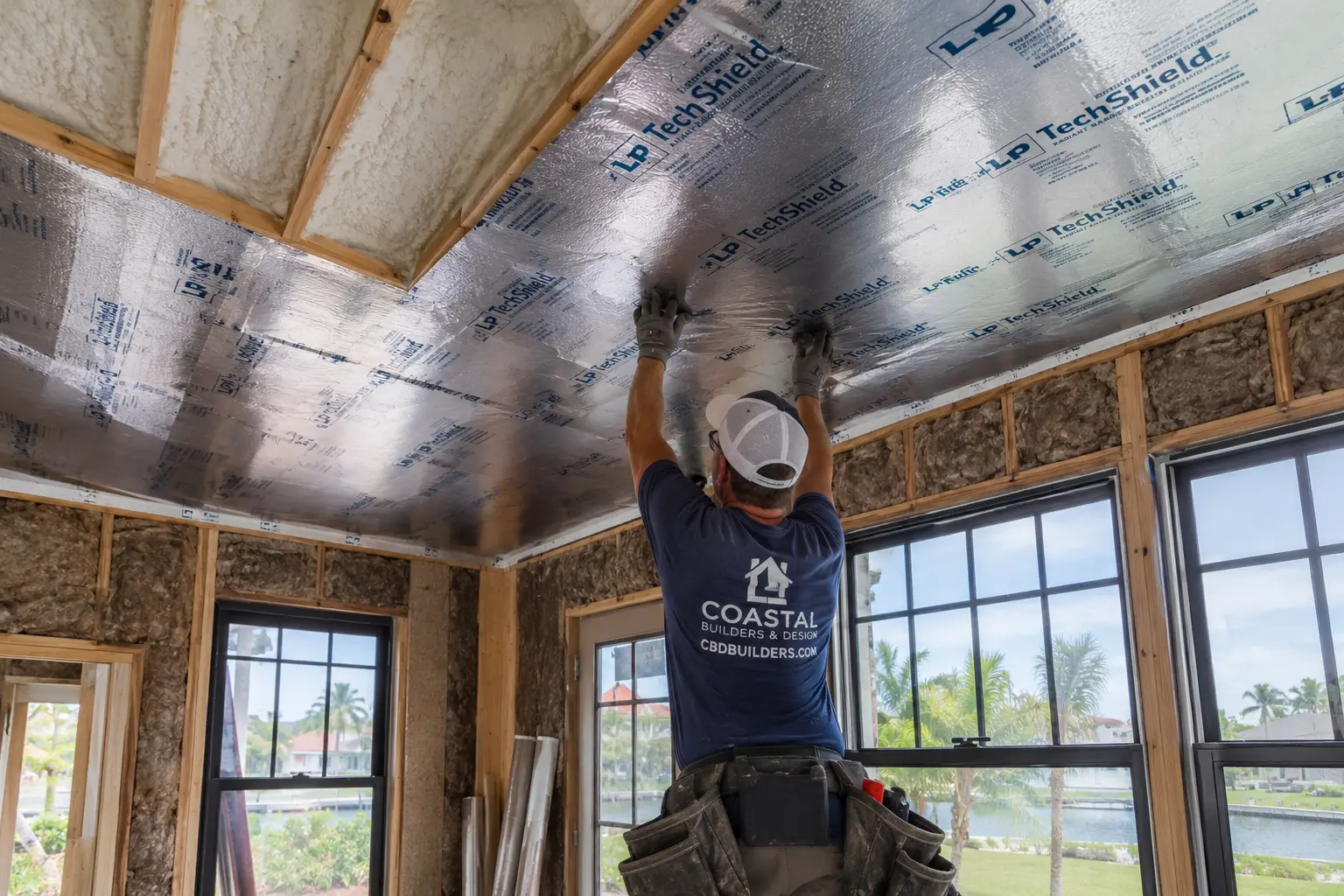
Better Insulation Makes a Difference
Insulation plays an important role in controlling indoor temperatures.
Modern homes typically utilize insulation systems that help reduce heat transfer between the outside environment and the living space.
Benefits may include:
- Lower cooling costs
- Improved comfort
- Reduced HVAC workload
- More consistent temperatures
Because Florida experiences intense sunlight and high temperatures, proper insulation can have a significant impact on overall efficiency.
Energy-Efficient Windows
Windows are another area where modern construction has improved substantially.
Today’s homes often feature:
- Impact-resistant glass
- Improved thermal performance
- Enhanced weather protection
- Better UV protection
These improvements can help reduce heat gain while also contributing to hurricane protection and insurance advantages.
Many buyers are surprised by how much windows can affect both comfort and energy usage.
Modern HVAC Systems
Air conditioning technology has improved dramatically over the past several decades.
New homes frequently include systems that are:
- More efficient
- More reliable
- More comfortable
- Less expensive to operate
Older homes may contain equipment that continues functioning but consumes significantly more energy.
Over time, the difference in operating costs can become meaningful.
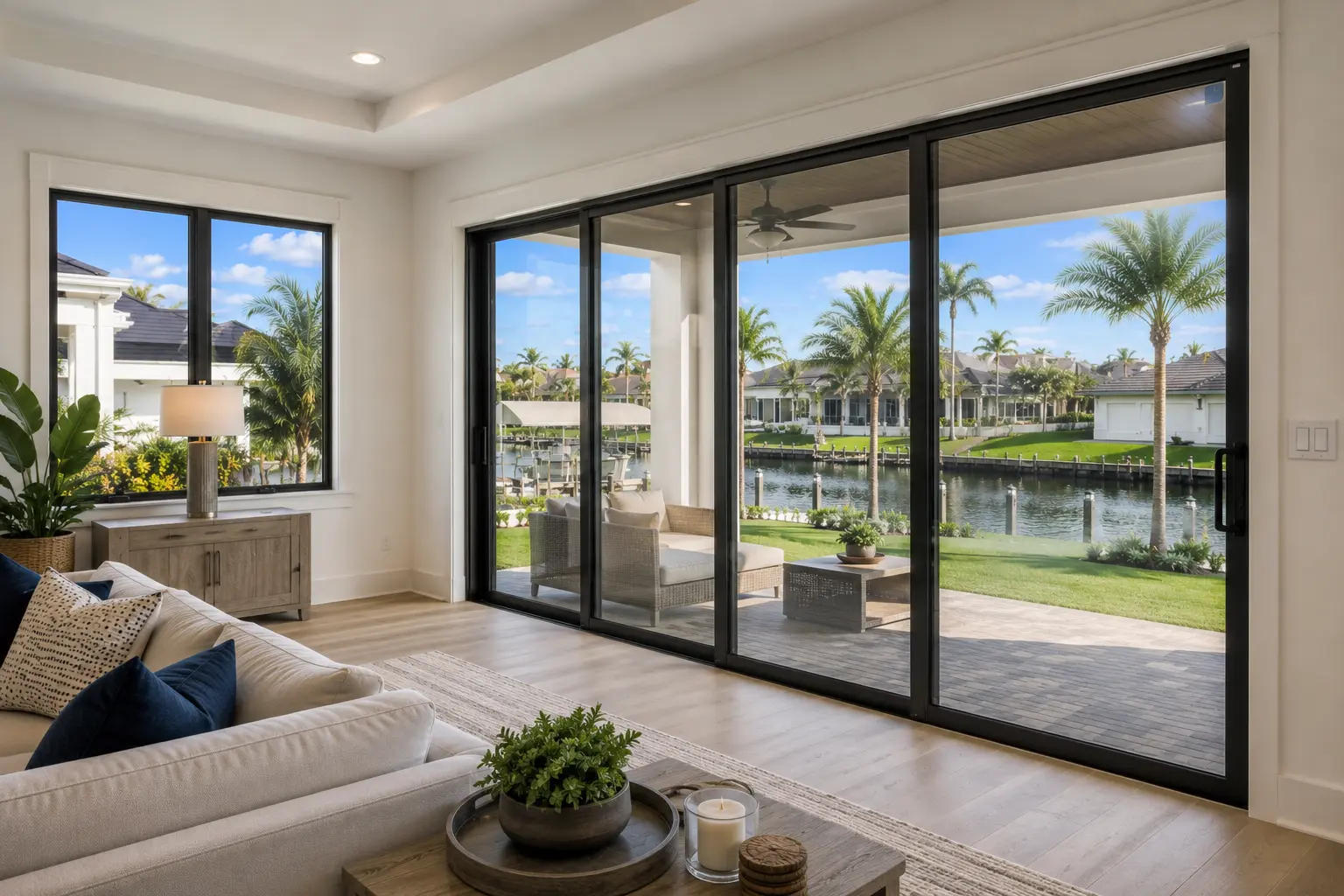
Energy Efficiency Is About More Than Utility Bills
Many people think energy efficiency is simply about lowering monthly electric bills.
The benefits often extend much further.
An efficient home may also provide:
- Improved comfort
- Better humidity control
- Reduced wear on equipment
- Quieter operation
- Enhanced indoor air quality
These improvements contribute to the overall ownership experience.
The Long-Term Cost Comparison
Consider two hypothetical homeowners.
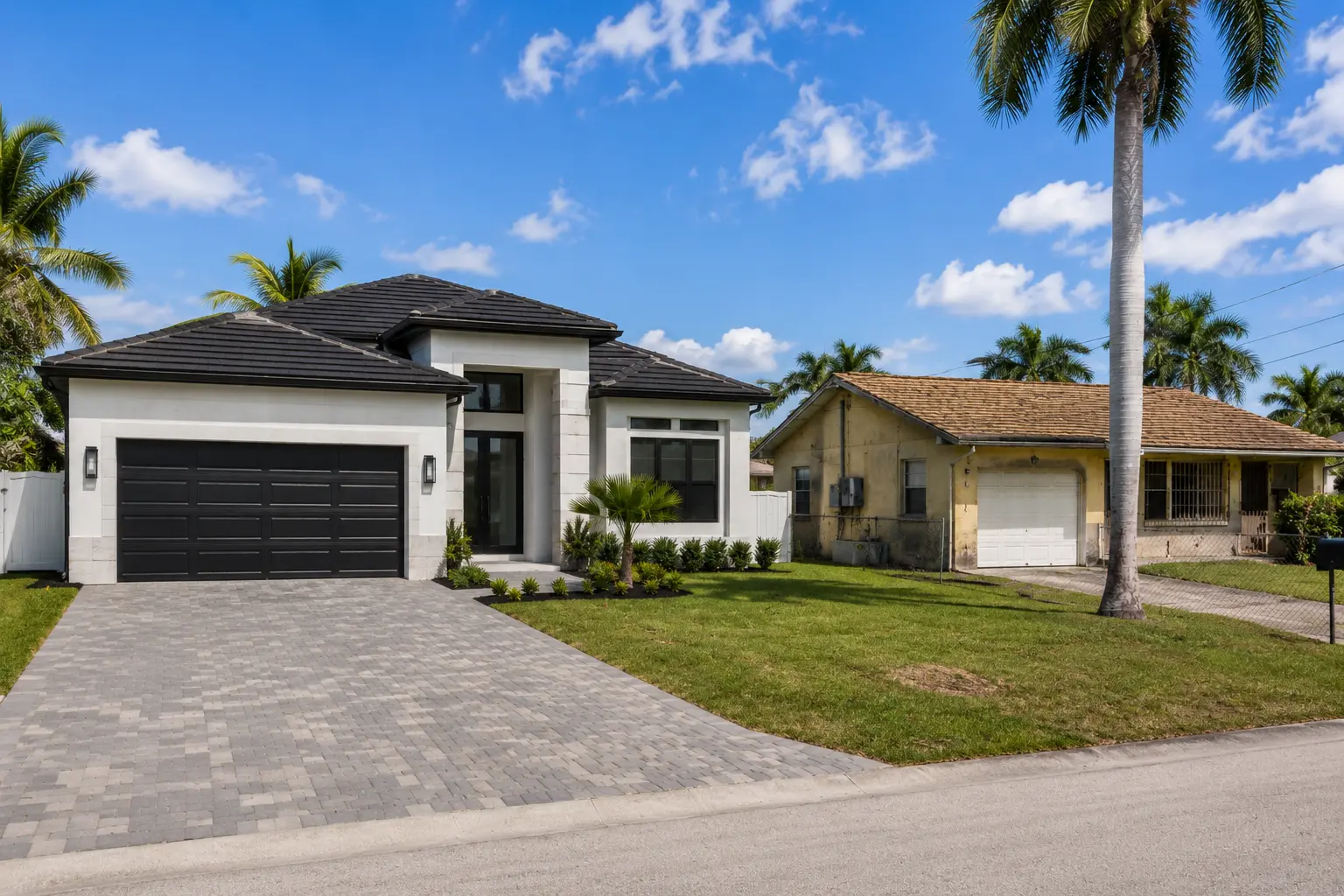
Homeowner A Purchases an Older Home
Purchase Price: $600,000
Potential future expenses include:
- Higher utility costs
- HVAC replacement
- Window replacement
- Additional insulation upgrades
- Roof replacement
- Insurance-related improvements
Homeowner B Builds a New Home
Project Cost: $700,000
The homeowner begins with:
- New HVAC equipment
- New windows
- Modern insulation
- Current building standards
- Energy-efficient construction
The initial investment is higher, but many of the major systems begin at age zero.
Over time, ownership costs may be significantly different than they first appear.
Energy Efficiency and Resale Value
Features that buyers value today are often the same features future buyers will seek.
Many homebuyers actively look for:
- Lower utility costs
- Impact windows
- Modern HVAC systems
- New roofs
- Energy-efficient construction
As a result, efficiency improvements may contribute to future marketability and buyer appeal.
While resale value is influenced by many factors, modern construction often aligns closely with current market preferences.
Comfort Has Value Too
Not every benefit can be measured on a spreadsheet.
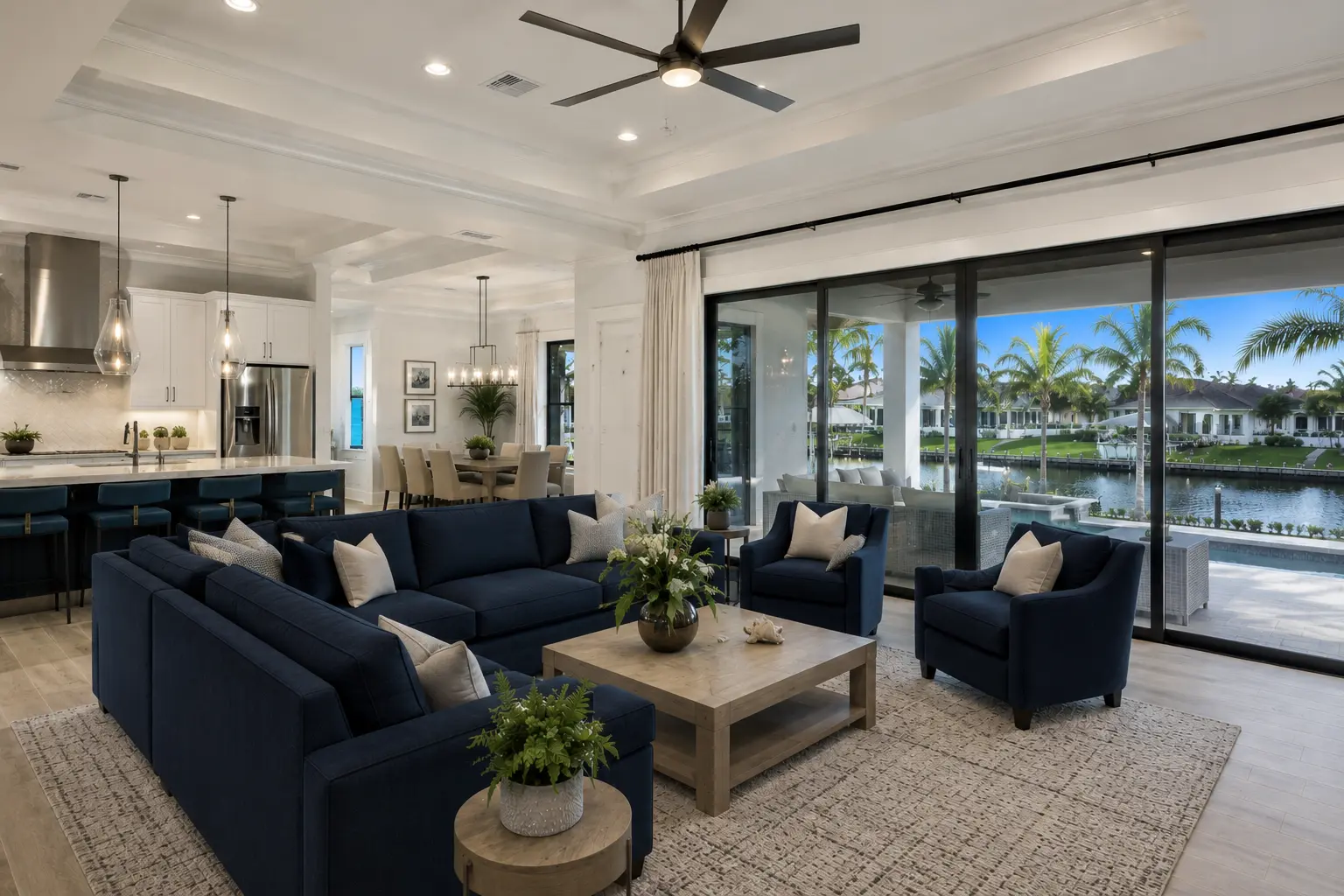
Many homeowners simply enjoy living in a home that feels:
- Comfortable
- Quiet
- Efficient
- Modern
- Well-designed
These benefits may not appear as line items in a budget, but they contribute significantly to long-term satisfaction.
A home that performs well every day can provide value far beyond utility savings alone.
Looking at Ownership Over Decades
A common mistake buyers make is comparing costs over one year.
Most homeowners own their properties for much longer.
When evaluating a home, it can be helpful to consider:
- Utility costs
- Maintenance costs
- Repair expenses
- Insurance costs
- Replacement schedules
over a period of 10, 20, or even 30 years.
This broader perspective often provides a more accurate picture of long-term value.
How Cylina Helps Buyers Evaluate Long-Term Costs
One of the most important roles Cylina plays is helping buyers look beyond the purchase price.
Many buyers become focused on what a home costs today while overlooking the expenses they may face over many years of ownership.
Cylina helps clients compare:
- Existing homes
- New construction opportunities
- Insurance considerations
- Energy efficiency benefits
- Maintenance expectations
- Long-term ownership costs
- Future resale potential
Because she understands both the resale market and the new construction process, she helps buyers evaluate the complete financial picture rather than focusing on a single number.
The True Cost of Homeownership
The cheapest home is not always the least expensive home to own.
Purchase price is only one component of value.
Energy efficiency, maintenance requirements, insurance costs, repair expenses, comfort, durability, and long-term satisfaction all contribute to the ownership experience.
For many buyers, new construction offers advantages that continue providing benefits long after the home is completed.
When viewed over decades rather than years, modern construction often provides a compelling combination of efficiency, comfort, durability, and financial value.
That is why many buyers who initially focus on purchase price eventually conclude that building a new home is one of the smartest long-term investments they can make in Cape Coral.