Renovating vs Building New
Renovating vs. Building New in Cape Coral
Many buyers moving to Cape Coral begin their search believing they will purchase an older home and renovate it to fit their needs.
At first glance, this approach can seem appealing.
The buyer finds a home in a desirable neighborhood, updates the finishes, remodels a few rooms, and ends up with a custom home at a lower cost than building new.
Unfortunately, renovation projects rarely unfold that simply.
While some remodeling projects can be successful, many buyers underestimate the true costs, timeline, complexity, and limitations involved in transforming an older home into the home they truly want.
As a result, many buyers eventually discover that building new offers a more predictable, efficient, and satisfying path to creating their ideal Florida home.
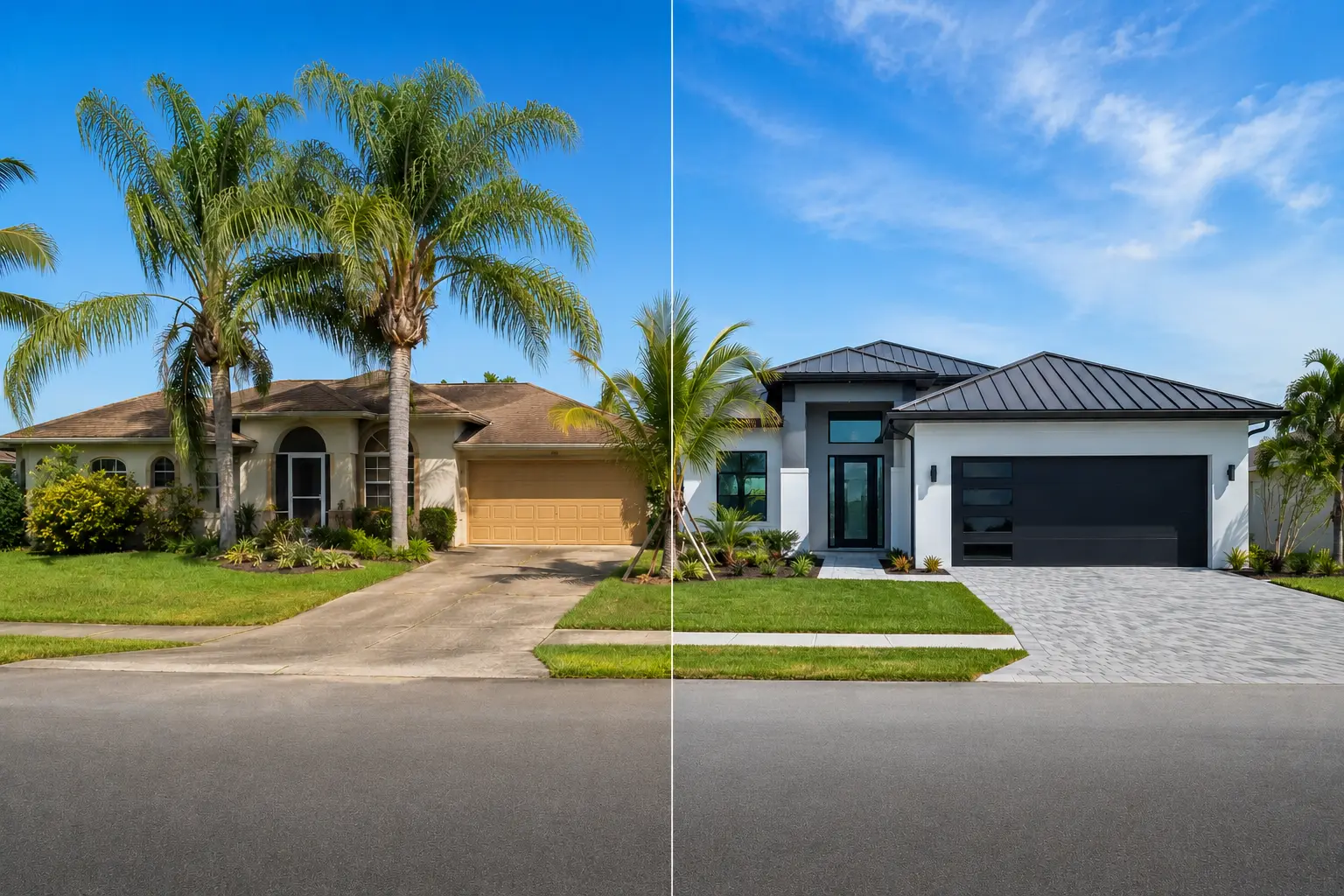
The Renovation Dream
The idea sounds simple.
Buy an older home with good bones.
Update the kitchen.
Renovate the bathrooms.
Install new flooring.
Add a pool.
Replace a few windows.
Move a wall or two.
The result should be a modern home for less money than new construction.
In reality, renovation projects often become far more complicated once construction begins.
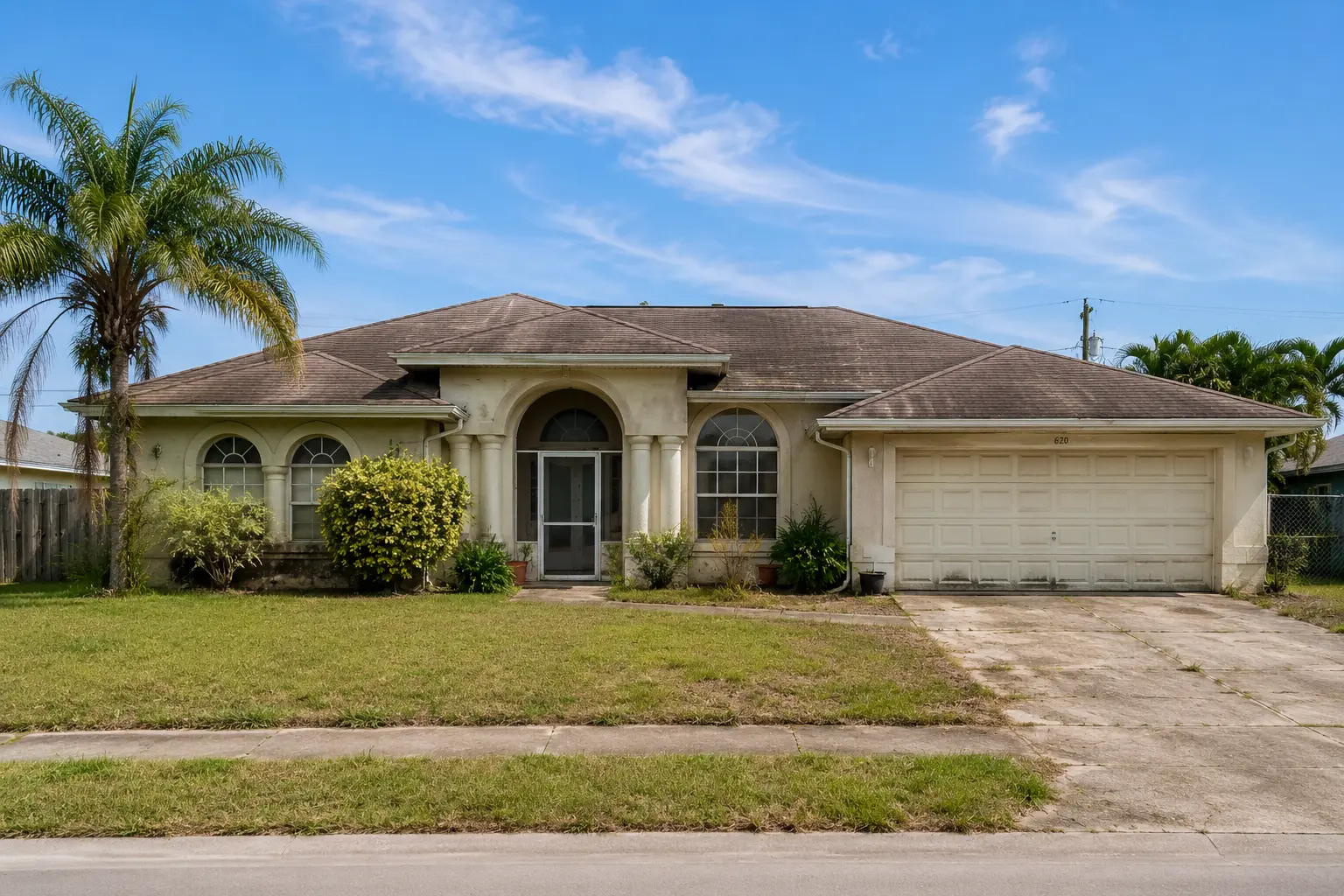
What You See Is Not Always What You Get
One of the biggest risks of renovation is that many issues remain hidden until demolition starts.
An older home may appear perfectly acceptable during a showing, yet contain:
- Aging plumbing
- Outdated electrical systems
- Structural concerns
- Water damage
- Mold issues
- Roof problems
- HVAC deficiencies
- Improper prior renovations
These conditions are not always visible during a standard home inspection.
Once discovered, they can add significant costs and delays to the project.
Many homeowners find themselves spending money on repairs they never planned to make before they can even begin the improvements they actually wanted.
Renovations Often Cost More Than Expected
One of the most common experiences among homeowners is renovation cost overruns.
Projects that begin with a reasonable budget frequently expand as new issues are uncovered.
A buyer may initially plan to renovate:
- The kitchen
- Bathrooms
- Flooring
Then discover additional needs such as:
- Electrical upgrades
- Plumbing replacement
- Window replacement
- Roof replacement
- Air conditioning replacement
- Structural modifications
What started as a cosmetic renovation can quickly evolve into a major reconstruction project.
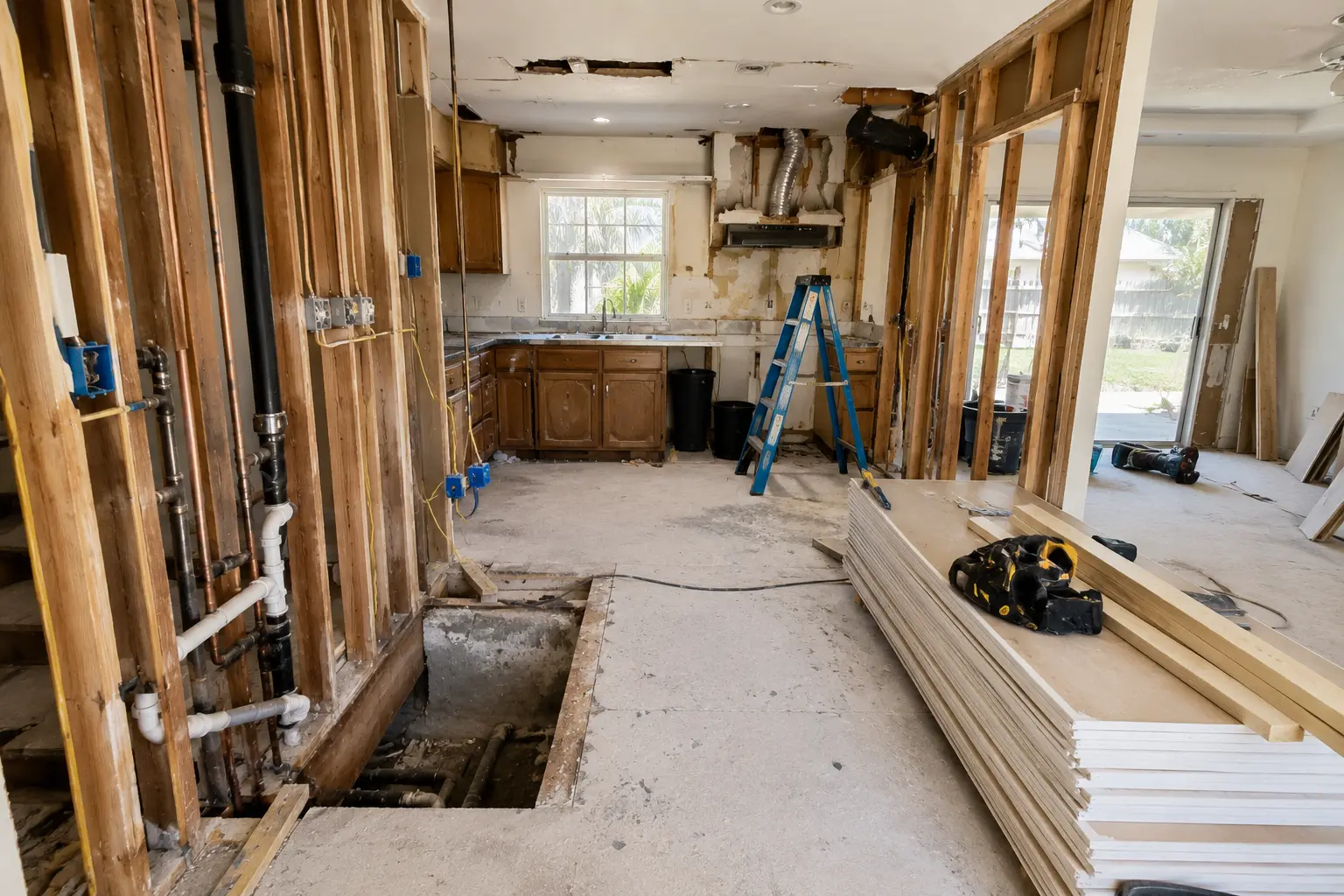
You Still Have an Older Home
Even after a substantial renovation, one reality remains:
The house is still fundamentally an older home.
A renovated kitchen does not change:
- The original foundation
- The original structural design
- The original layout limitations
- The original roof design
- The original elevation
- The original lot orientation
Many buyers spend hundreds of thousands of dollars renovating a home only to discover that some of the most important limitations can never be fully corrected.
Floor Plan Limitations
One of the biggest challenges with renovations is trying to make an older floor plan function like a modern one.
Many older Florida homes were designed decades ago when lifestyles were very different.
Common features may include:
- Smaller kitchens
- Closed floor plans
- Lower ceilings
- Limited storage
- Smaller primary suites
- Less outdoor living space
While some modifications are possible, major layout changes can become extremely expensive.
Load-bearing walls, structural systems, plumbing locations, and roof designs often limit what can realistically be changed.
Building new eliminates these restrictions entirely.
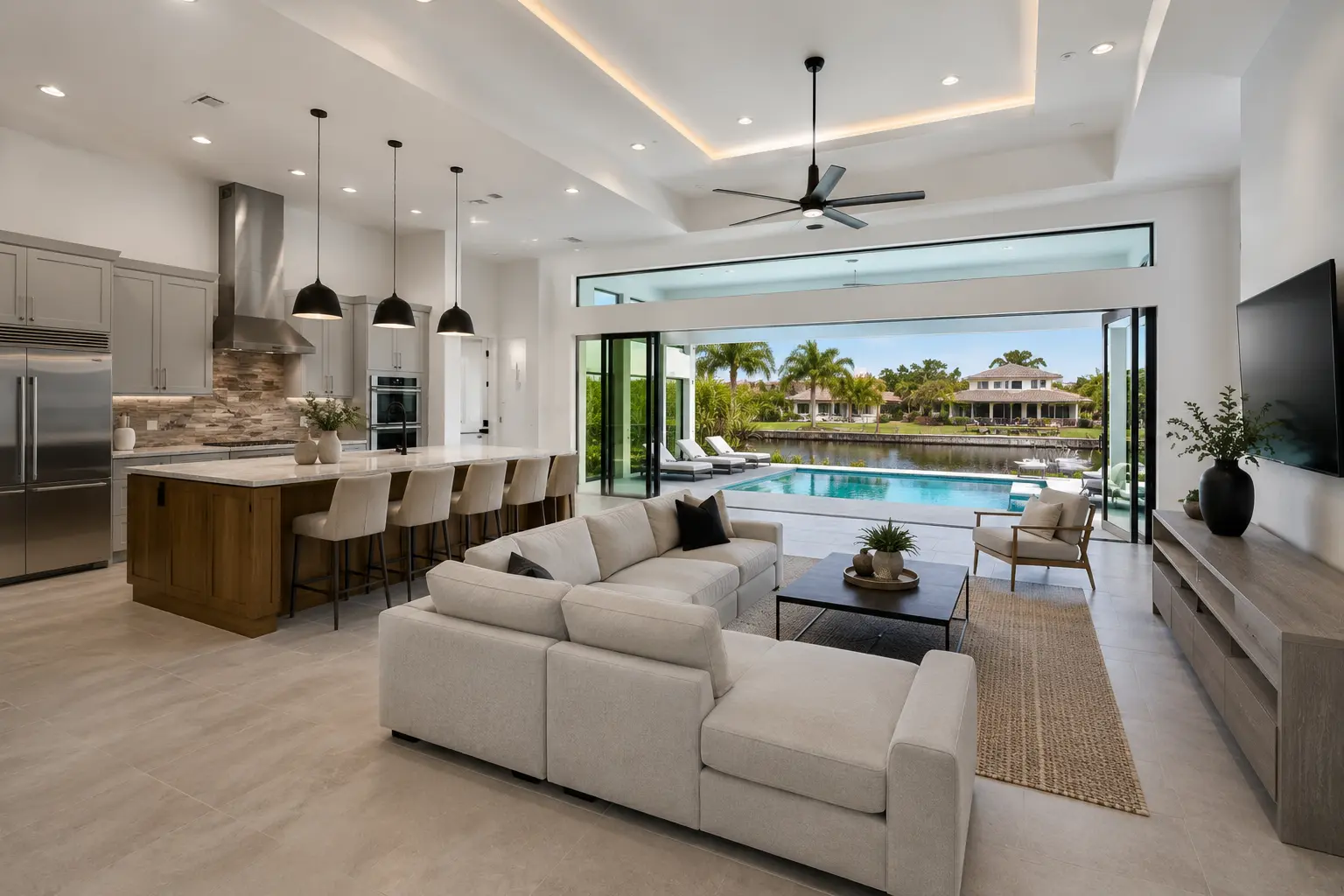
Renovation Timelines Are Often Unpredictable
Many buyers assume that renovation is faster than building.
In some cases, it can be.
In many cases, it is not.
Renovation schedules are often affected by:
- Permit delays
- Contractor availability
- Hidden conditions
- Material shortages
- Design changes
- Unexpected repairs
Unlike new construction, where the project begins with a complete set of plans, renovation projects frequently evolve as work progresses.
This uncertainty can make planning difficult.
Florida-Specific Renovation Challenges
Florida presents unique considerations that many out-of-state buyers do not anticipate.
Older homes may require upgrades related to:
- Hurricane protection
- Impact windows
- Roof systems
- Wind mitigation
- Elevation requirements
- Flood concerns
- Insurance eligibility
In some situations, the cost of bringing an older home closer to current standards can be substantial.
These costs are often overlooked when buyers first compare renovation to new construction.
Insurance Can Change the Equation
Insurance has become an increasingly important factor for Florida homeowners.
Many older homes may face challenges related to:
- Older roofs
- Older electrical systems
- Older plumbing systems
- Non-impact windows
- Lower elevations
- Outdated construction methods
Even after renovations are completed, some insurance considerations may remain.
A newly constructed home, by contrast, begins with modern building standards, current code compliance, and modern wind-mitigation features from day one.
Over time, these differences can significantly affect ownership costs.
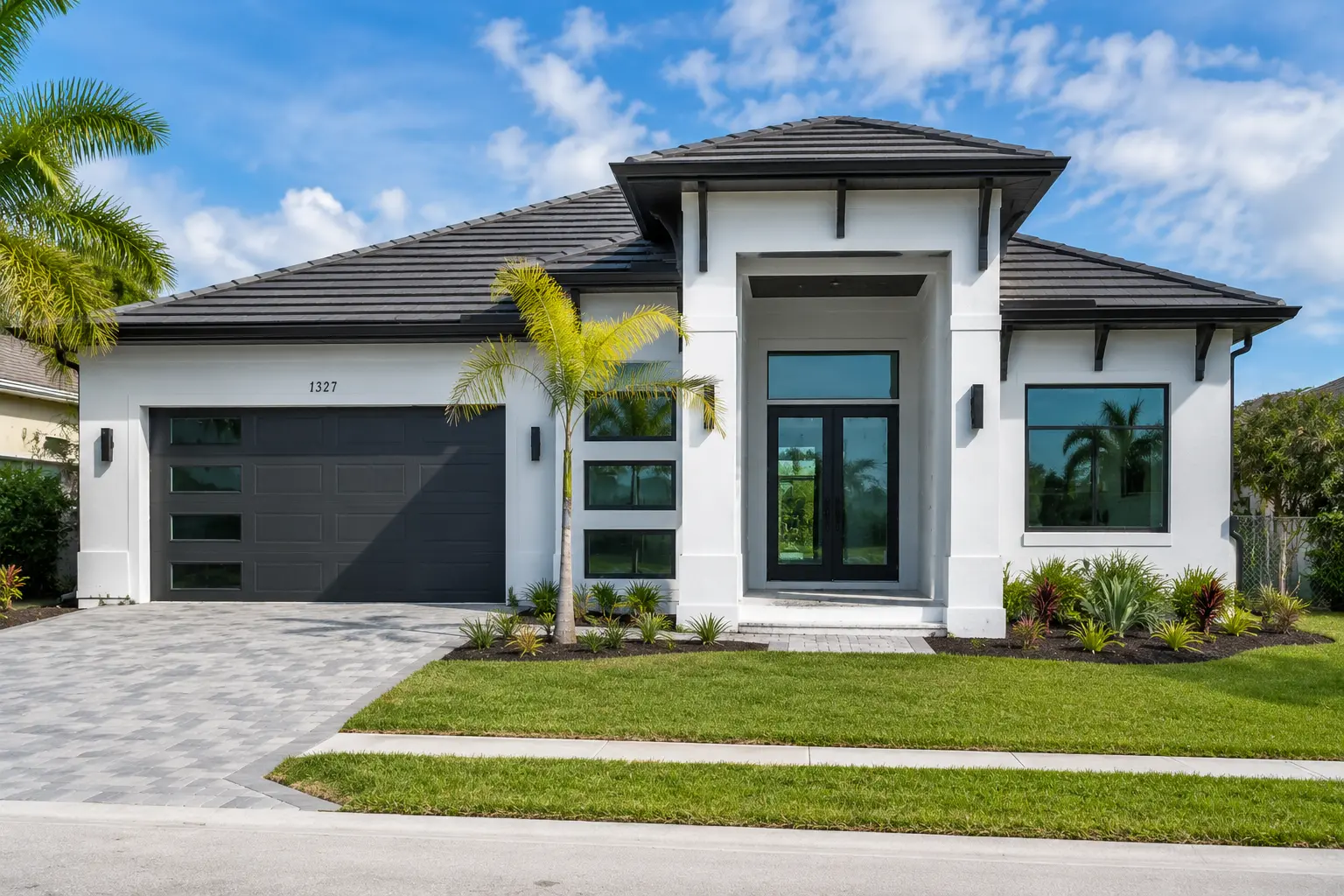
Building New Gives You Exactly What You Want
Perhaps the biggest advantage of building new is simple.
You start with a blank canvas.
Rather than trying to force an older home to become something it was never designed to be, you create a home specifically tailored to your needs.
You choose:
- The lot
- The floor plan
- The layout
- The architectural style
- The finishes
- The outdoor living areas
- The garage configuration
- The pool design
Every major decision is intentional.
There are no compromises imposed by a previous owner’s choices.
Better Long-Term Value
Many buyers focus exclusively on the initial cost comparison between renovation and new construction.
However, long-term value is often more important.
A newly constructed home typically offers:
- Modern construction standards
- New mechanical systems
- Lower maintenance requirements
- Improved energy efficiency
- Better hurricane protection
- Potential insurance advantages
- Greater buyer appeal at resale
These benefits can continue providing value long after construction is complete.
When Renovation Makes Sense
Renovation is not always the wrong choice.
Some buyers find unique properties in exceptional locations where remodeling is clearly justified.
Others may wish to preserve architectural character or improve a home they already own.
However, buyers should approach renovation with realistic expectations regarding cost, complexity, and potential limitations.
The assumption that renovation is automatically less expensive or easier than building new is often incorrect.
How Cylina Helps Buyers Compare Renovation and New Construction
Many buyers begin their search convinced that they want to renovate.
Others assume they want to build.
The truth is that every situation is different.
Cylina helps buyers objectively evaluate:
- Existing homes
- Renovation potential
- Lot opportunities
- Construction costs
- Insurance considerations
- Long-term ownership costs
- Lifestyle goals
Rather than steering buyers toward a predetermined solution, she helps them determine which path offers the best overall outcome.
In many cases, buyers discover that building new provides greater value, fewer compromises, and a better long-term ownership experience than attempting to transform an older home.
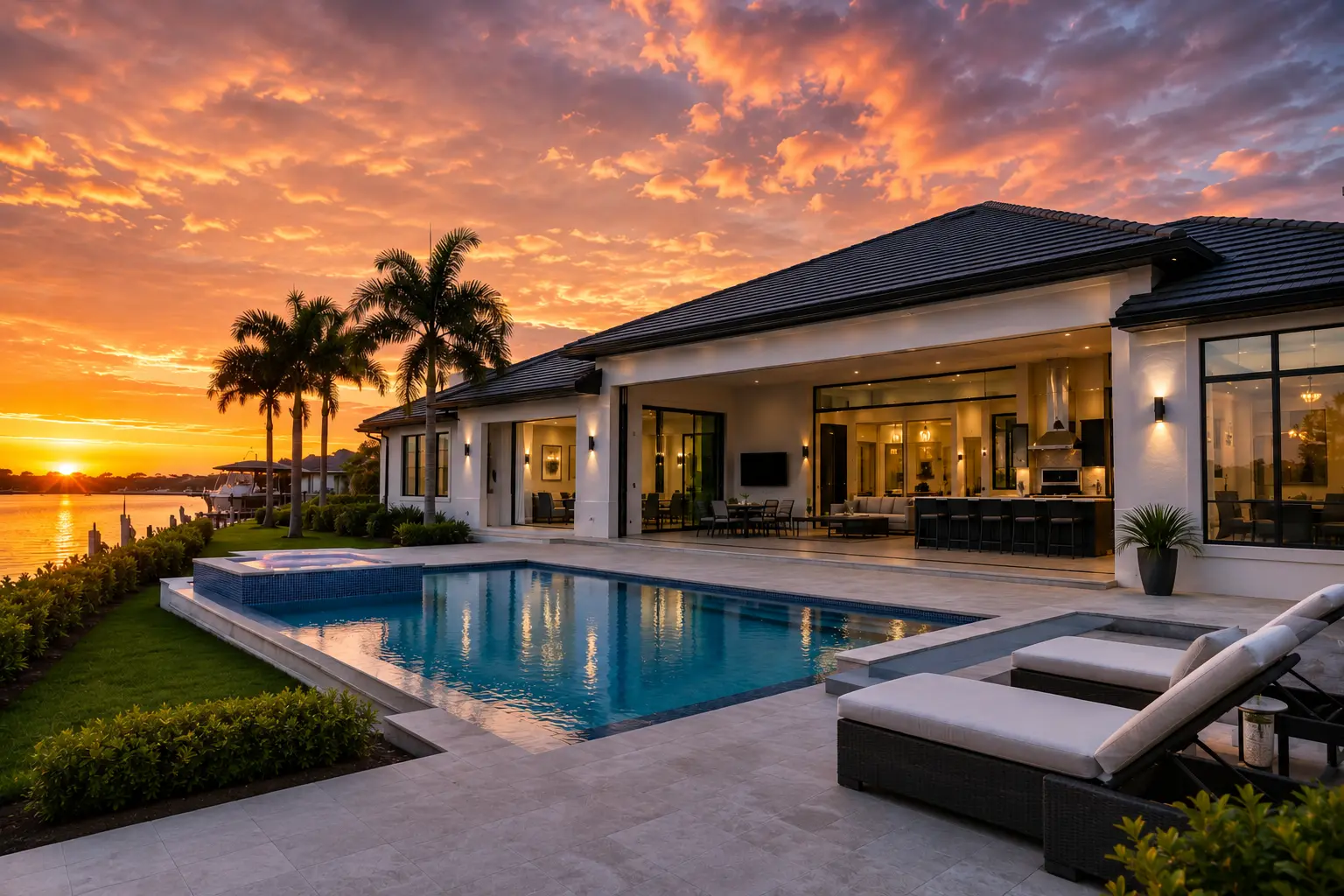
Creating the Home You Actually Want
The goal is not simply to own a house.
The goal is to create a home that fits your lifestyle, your priorities, and your future plans.
While renovation can sometimes achieve that goal, building new often provides a more predictable, efficient, and rewarding path.
For buyers relocating to Cape Coral, the ability to purchase land and create a home specifically designed for modern Florida living remains one of the area’s most unique advantages.
Before committing to a major renovation project, it is worth exploring whether building new may ultimately provide a better solution for both your lifestyle and your investment.