About Cape Coral
About Cape Coral
Cape Coral is one of those places many people have never heard of until they are already standing in it, looking out over a quiet canal, wondering how a waterfront city like this stayed under the radar for so long.
Located on Florida’s Gulf Coast in Lee County, just west of Fort Myers, Cape Coral is one of Florida’s most unique and fastest-growing cities. It is a master-planned waterfront community built around water, sunshine, space, and opportunity. Known for having more than 400 miles of canals, Cape Coral creates a lifestyle where boating, fishing, and waterfront living are part of everyday life rather than something reserved for vacations.
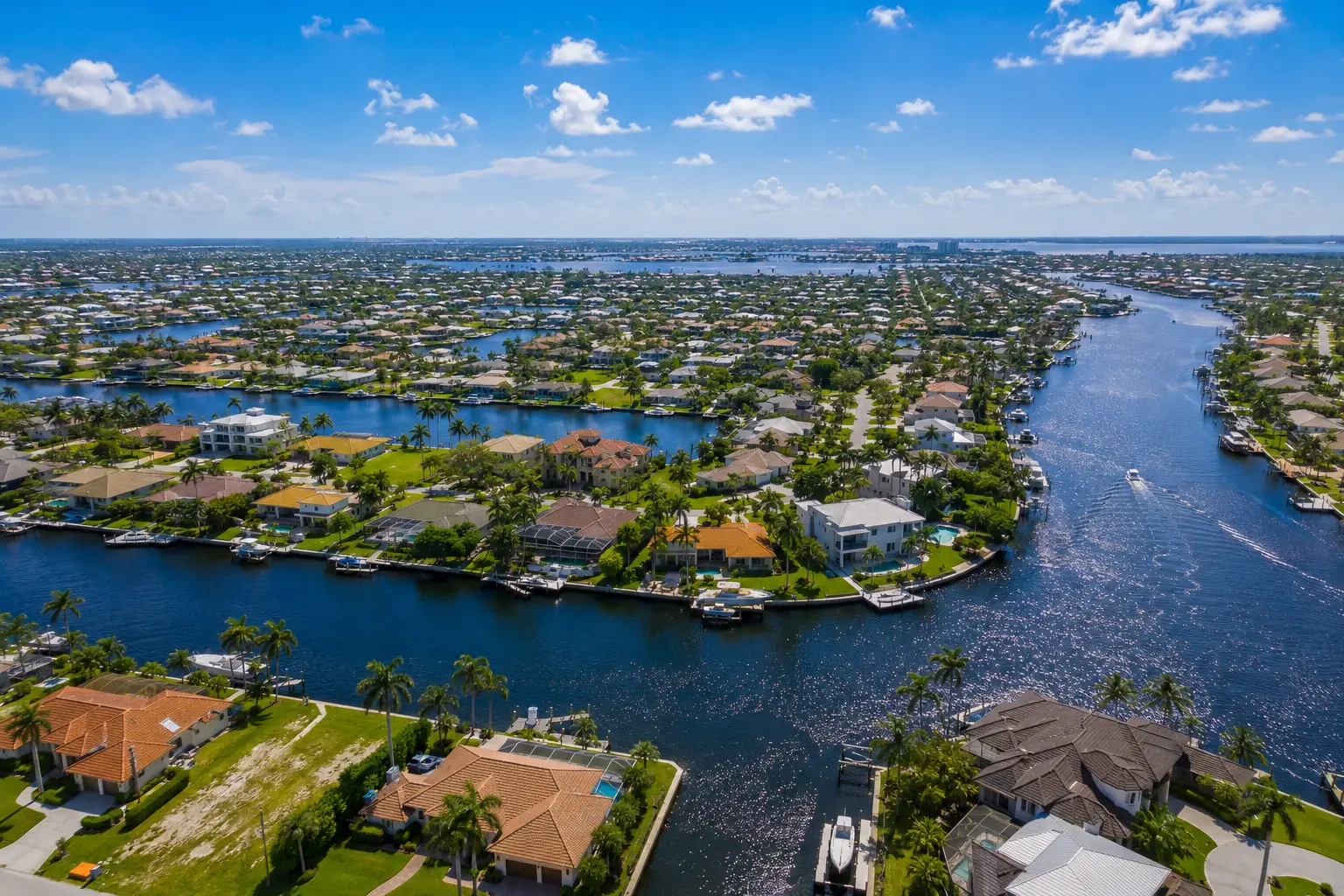
Unlike many established Florida communities where available land is scarce, Cape Coral was designed with growth in mind. Canals were woven throughout the city, creating thousands of waterfront homesites and giving buyers more options than many other coastal markets. Whether you are looking for a luxury Gulf-access waterfront property, a freshwater canal lot, or a quiet inland neighborhood with more space and privacy, Cape Coral offers choices for nearly every type of buyer.
Why People Are Moving to Cape Coral
Cape Coral continues to attract homebuyers, retirees, investors, and families from across the country. Many are relocating from the Midwest, Northeast, and other high-cost areas in search of warm weather, no state income tax, a better quality of life, and greater value for their housing dollars.
For many buyers, Cape Coral offers the kind of lifestyle they imagined when they first thought about moving to Florida. The city offers year-round sunshine, a relaxed residential feel, access to boating and fishing, nearby beaches, outdoor recreation, restaurants, shopping, healthcare, and convenient travel through Southwest Florida International Airport.
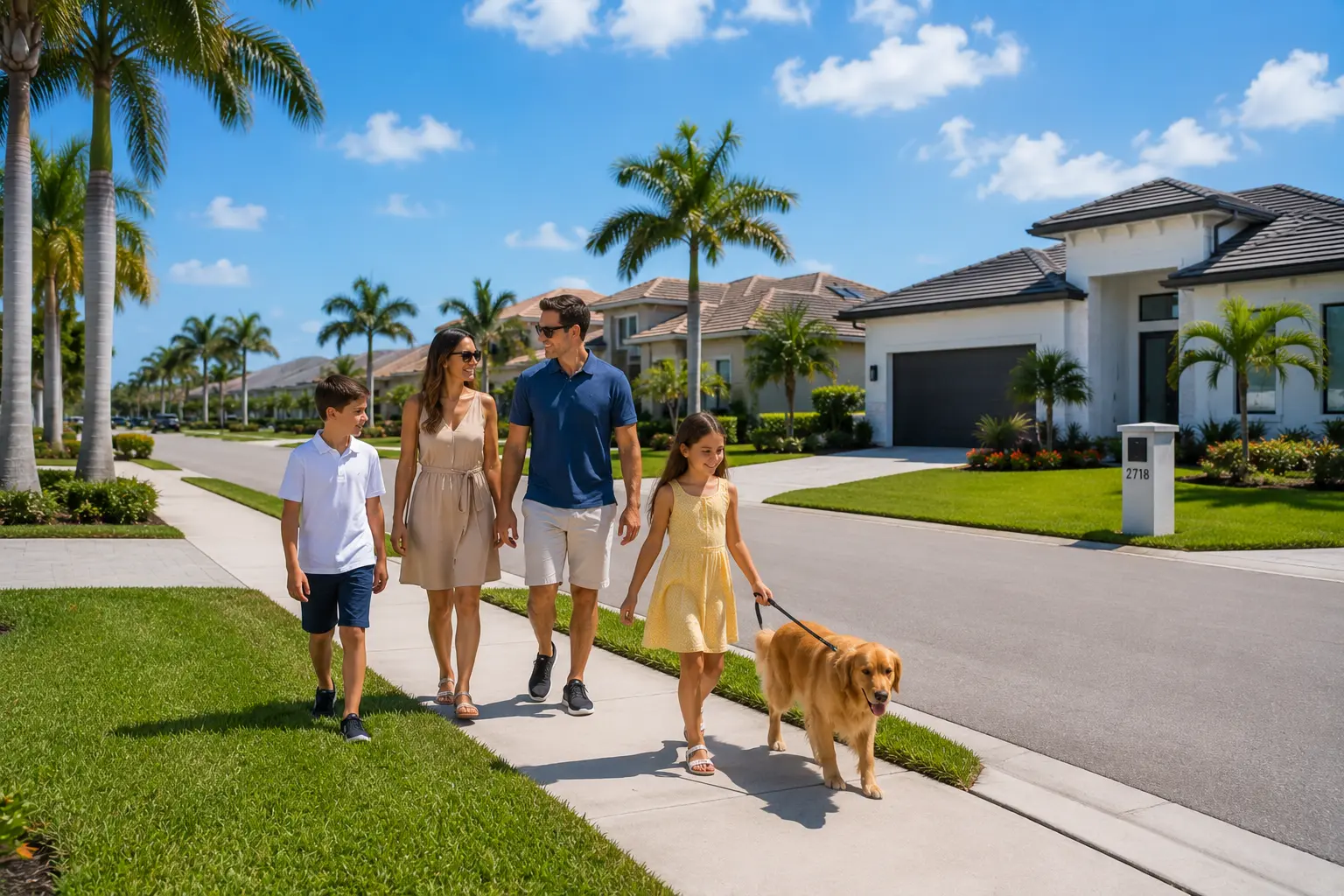
People are not just looking for a house. They are looking for a different pace, a better layout, more space, and a place where indoor and outdoor living blend together naturally. Cape Coral delivers that combination in a way that feels more open and flexible than many crowded Florida destinations.
A City Built Around Water
Water is at the center of life in Cape Coral. The city’s extensive canal system creates thousands of waterfront homesites and provides access to boating, kayaking, paddleboarding, fishing, and outdoor living.
Some neighborhoods offer direct Gulf access, making them especially attractive to boaters who want to reach open water. Other areas feature freshwater canals connected to lakes and recreational waterways. Even residents who do not live directly on the water benefit from the city’s coastal atmosphere, parks, marinas, bridges, open views, and everyday connection to the outdoors.
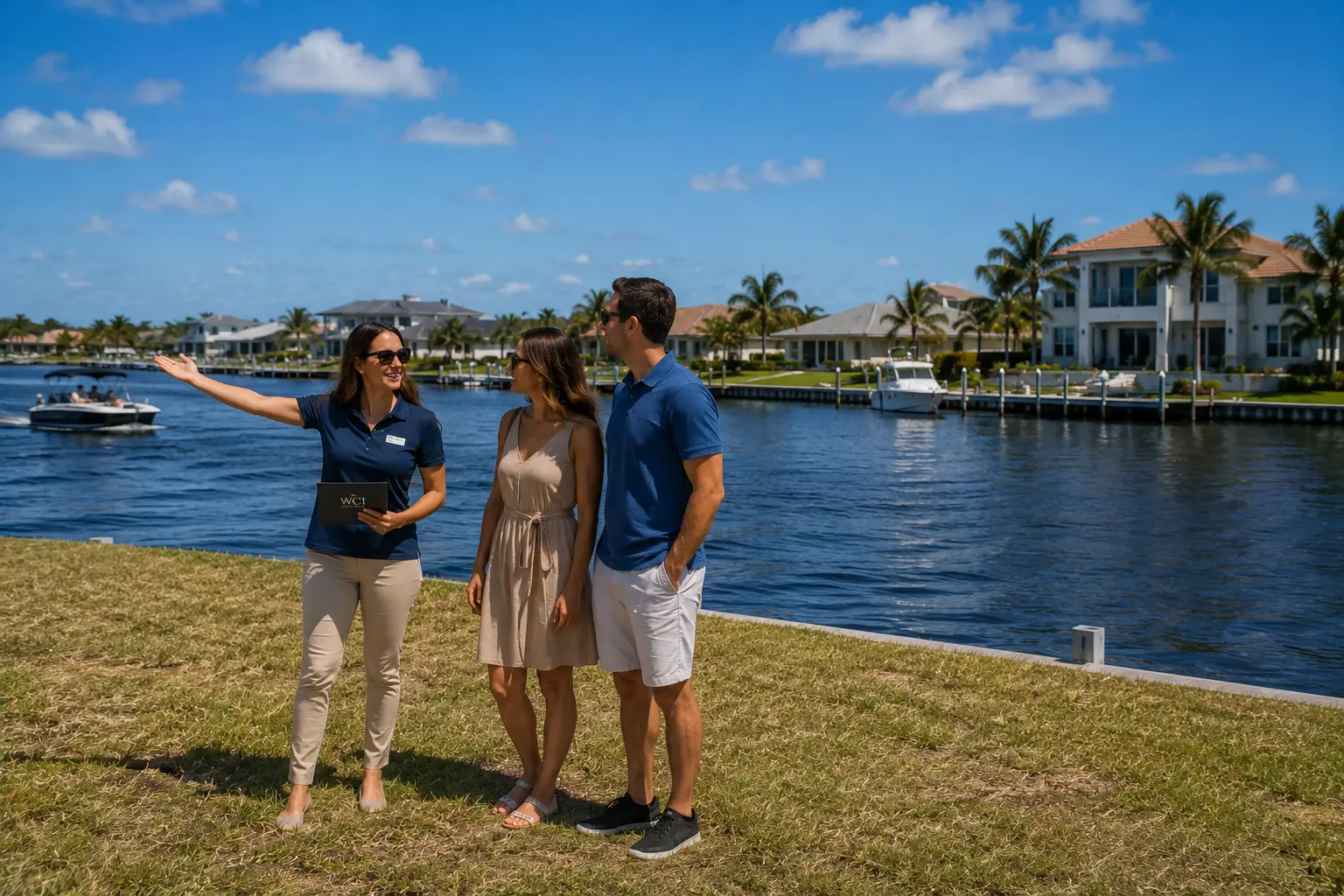
This is one of the reasons Cape Coral feels different from many other Florida cities. Waterfront living is not limited to a small stretch of coastline. It is woven throughout the community.
More Than Just Waterfront Living
While Cape Coral is best known for its canals, the city offers much more than waterfront property. Residents enjoy golf courses, parks, walking trails, sports facilities, shopping centers, restaurants, entertainment venues, and community events throughout the year.
Cape Coral is also conveniently located near Fort Myers, Sanibel Island, Captiva Island, Pine Island, Gulf Coast beaches, and some of Southwest Florida’s most popular destinations. This gives residents the ability to enjoy a quieter residential lifestyle while still being close to beaches, dining, travel, and regional amenities.
New Construction and the Opportunity to Build
New construction plays a major role in Cape Coral’s appeal. In many Florida markets, buyers are forced to choose from older homes, limited inventory, expensive renovations, or layouts that no longer match the way people live today. Cape Coral is different.
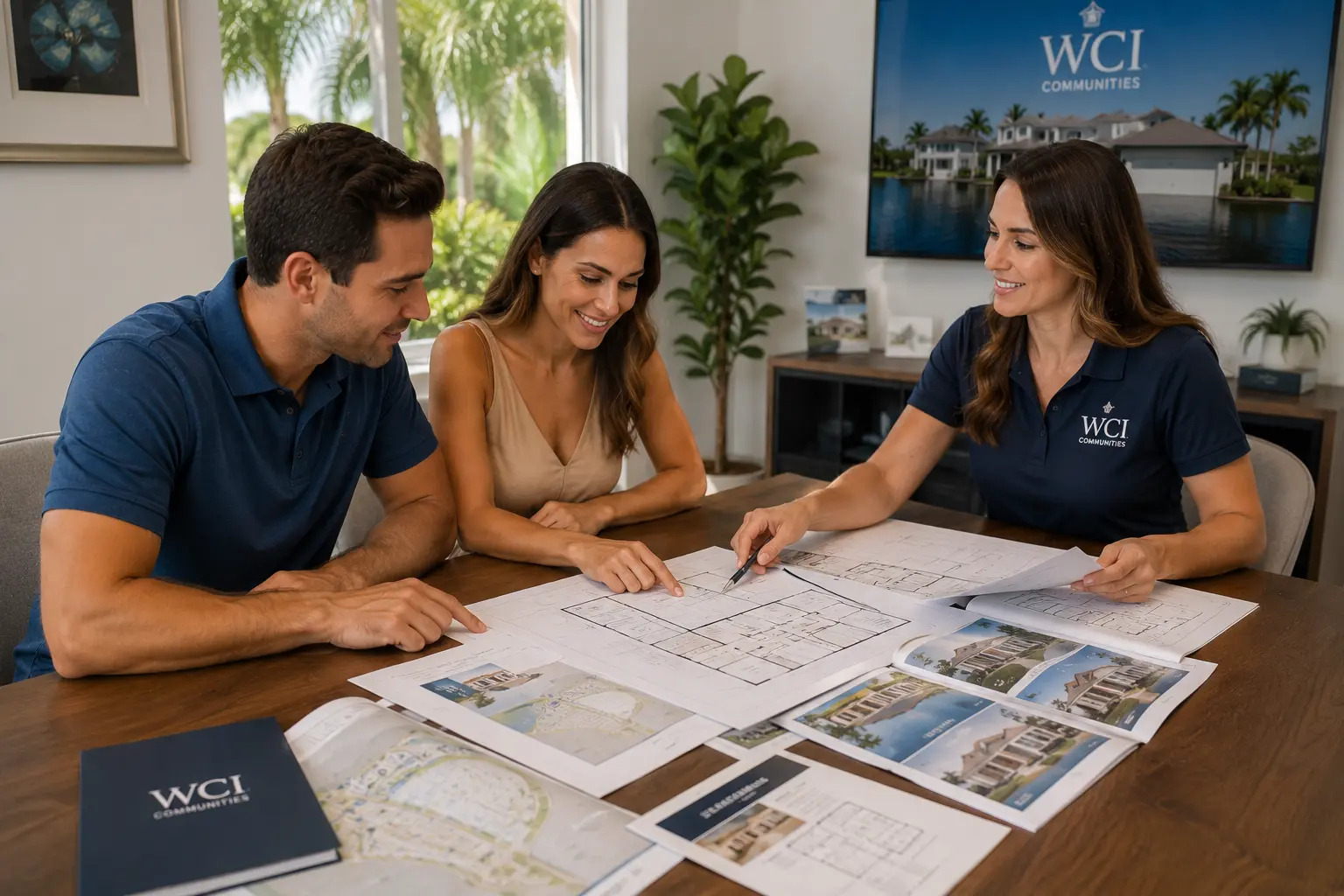
Because thousands of residential lots remain available throughout the city, buyers still have the opportunity to purchase land and build a home around modern preferences. That means open floor plans, higher ceilings, outdoor living spaces, energy efficiency, current building codes, hurricane standards, modern kitchens, larger garages, pool designs, and layouts created around the buyer’s lifestyle.
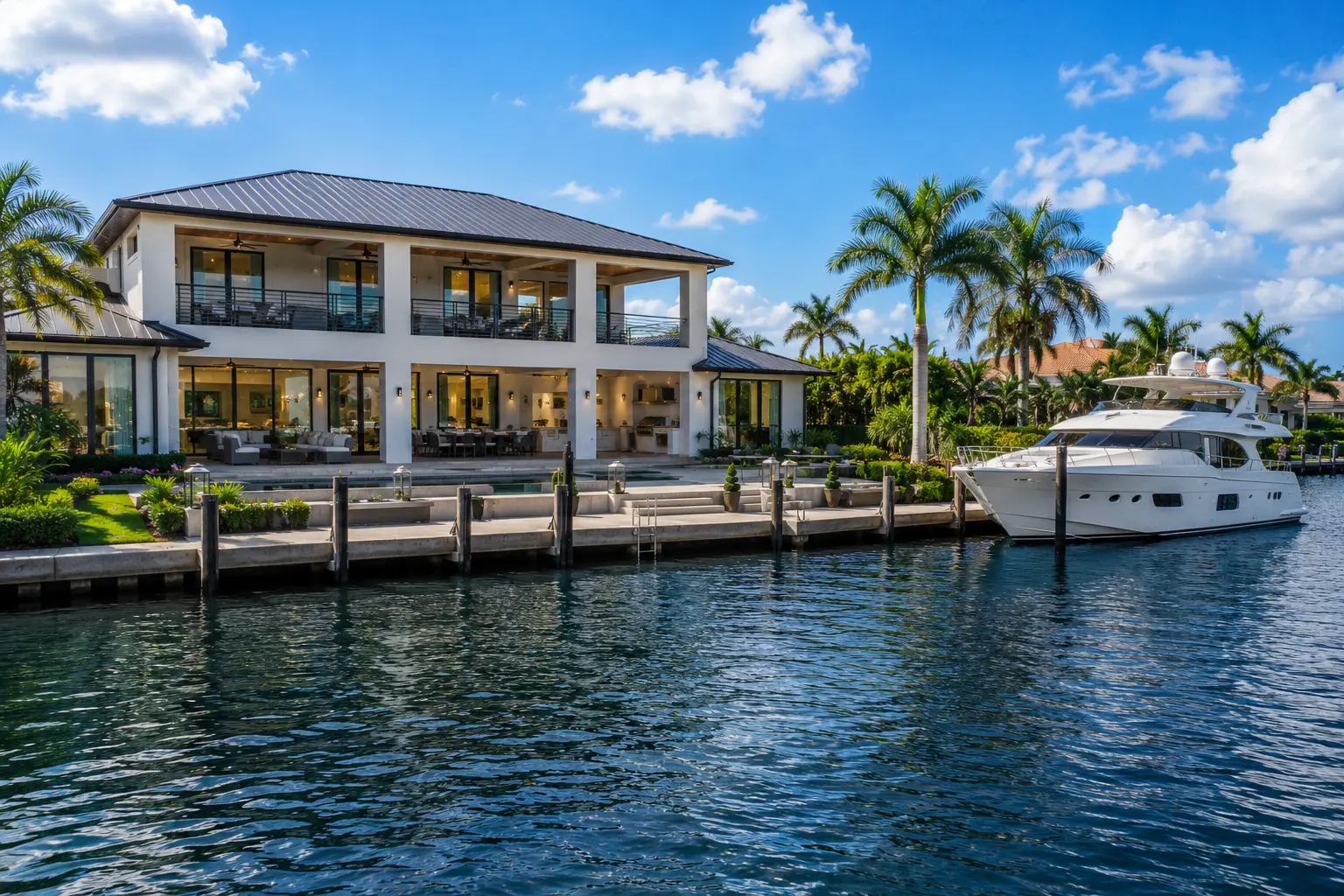
For many people, the most exciting part of Cape Coral is the ability to build instead of buy. It is a place where you can still choose your lot, design your home, and create the kind of living environment you actually want.
Understanding Cape Coral
Cape Coral is a large city, and not all areas are the same. Property values, lot characteristics, canal access, boating routes, commuting times, neighborhood feel, and development patterns can vary significantly from one section of the city to another.
Understanding Cape Coral’s geography, quadrants, canal systems, neighborhoods, and real estate market is one of the most important steps when choosing where to buy land or build a home. The difference between Southeast Cape Coral, Southwest Cape Coral, Northeast Cape Coral, and Northwest Cape Coral can be significant, especially for buyers comparing waterfront access, lot prices, future growth, and lifestyle.
That is why this section includes detailed guides covering:
- Cape Coral History
- Cape Coral Geography
- City Quadrants Explained
- Southeast Cape Coral
- Southwest Cape Coral
- Northeast Cape Coral
- Northwest Cape Coral
- Cape Coral Real Estate Overview
- Neighborhoods
- Cape Lifestyle
- Water Access and Boating Lifestyle
- Cost of Living in Cape Coral
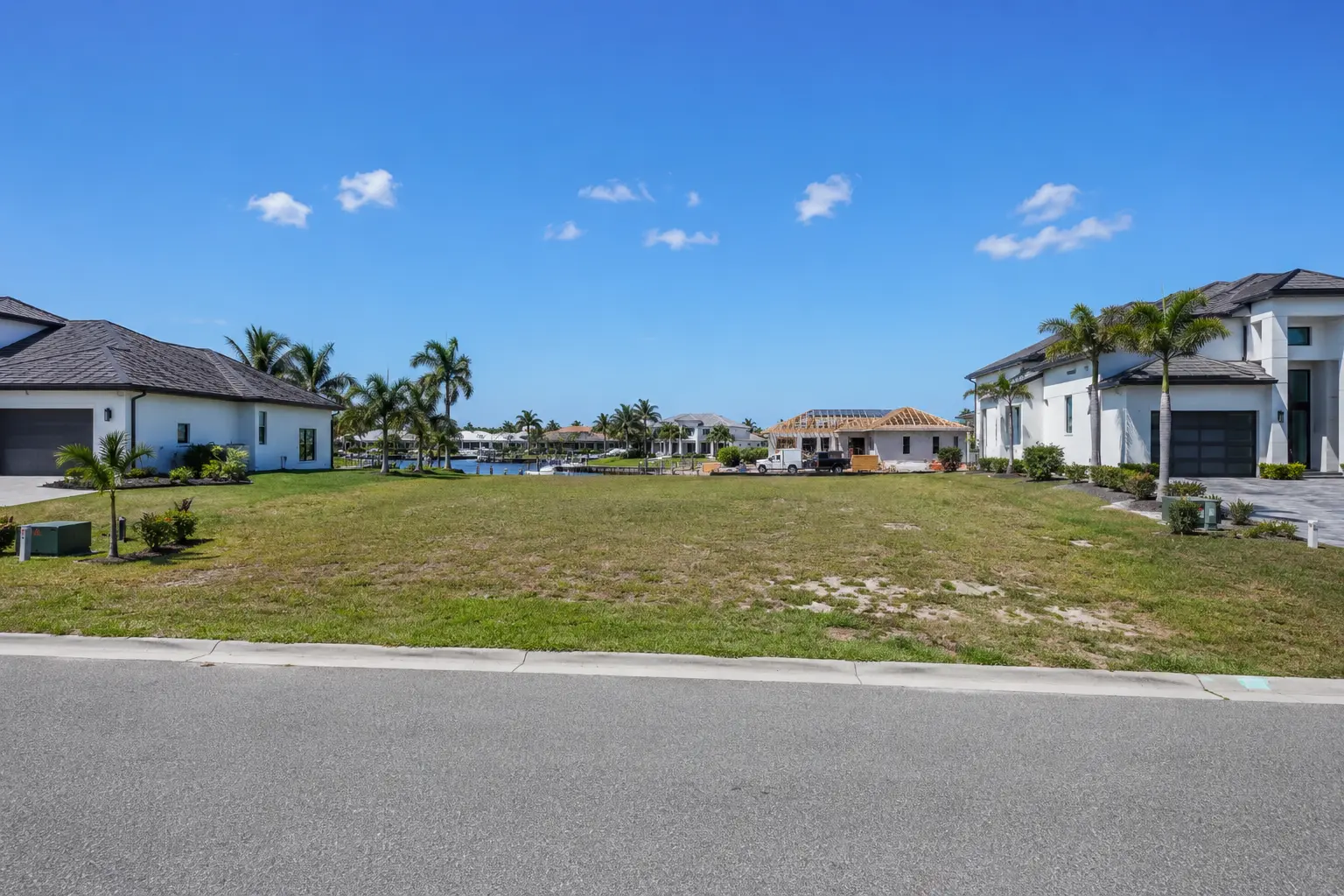
Building Your Future in Cape Coral
Whether you are considering relocation, retirement, investment property, waterfront living, or building a custom home, Cape Coral presents a rare combination of affordability, flexibility, and lifestyle. It offers opportunities that are becoming increasingly difficult to find in many other parts of coastal Florida.
Cape Coral is not just a place to buy a home. It is a place to create a home around the way you want to live.
Explore the guides below to learn more about Cape Coral’s history, geography, neighborhoods, waterfront options, cost of living, and why this city has become one of the most compelling places to build in Florida today.