Seawalls and Waterfront Considerations
Seawalls and Waterfront Considerations
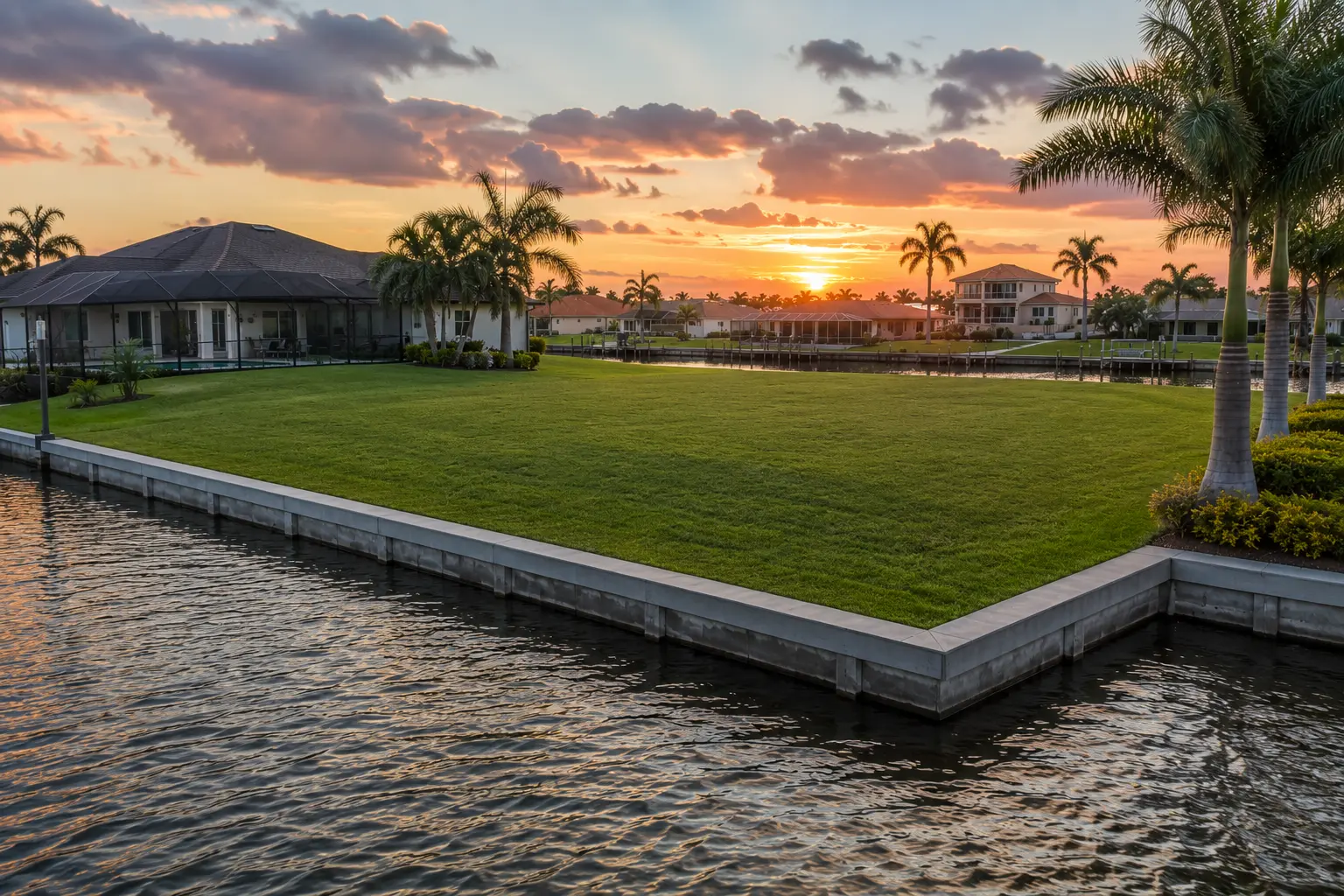
One of the biggest differences between purchasing a traditional residential lot and purchasing waterfront property in Cape Coral is the presence of a seawall.
For many buyers relocating from other parts of the country, seawalls are an unfamiliar concept. However, they are one of the most important components of waterfront ownership and can significantly affect property value, construction costs, maintenance requirements, and long-term enjoyment of a waterfront home.
Whether you are considering a Gulf-access property or a freshwater canal lot, understanding seawalls and other waterfront considerations should be an important part of your due diligence before purchasing land.
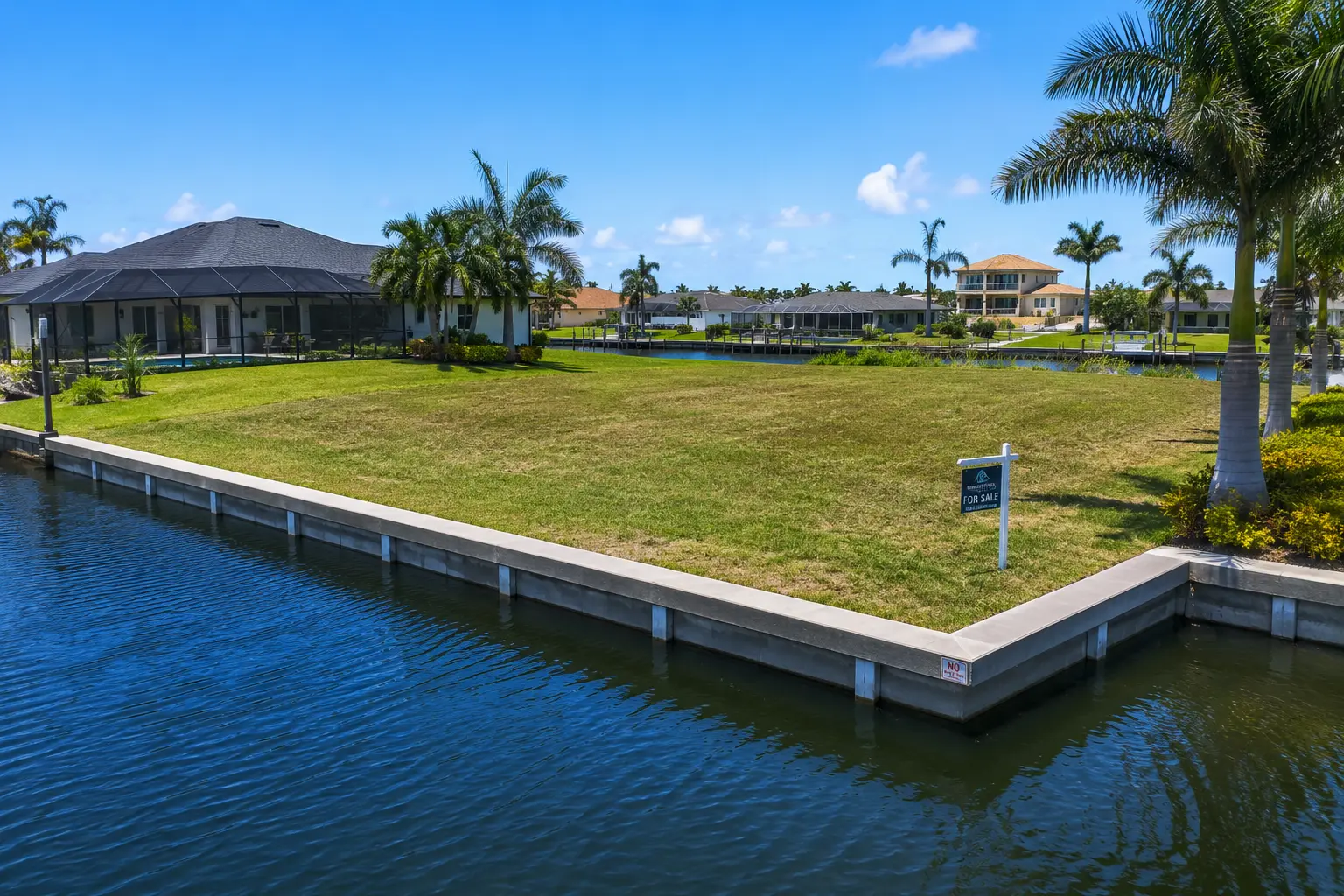
What Is a Seawall?
A seawall is a structural barrier installed along the edge of a waterfront property.
Its primary purpose is to stabilize the shoreline, help prevent erosion, and create a defined boundary between the land and the water.
In Cape Coral, seawalls are found along many saltwater and freshwater canals throughout the city.
Without proper shoreline stabilization, water movement can gradually erode the land, potentially affecting the usability and value of the property over time.
For waterfront homeowners, the seawall often serves as the foundation for future improvements such as docks, boat lifts, and waterfront entertainment areas.
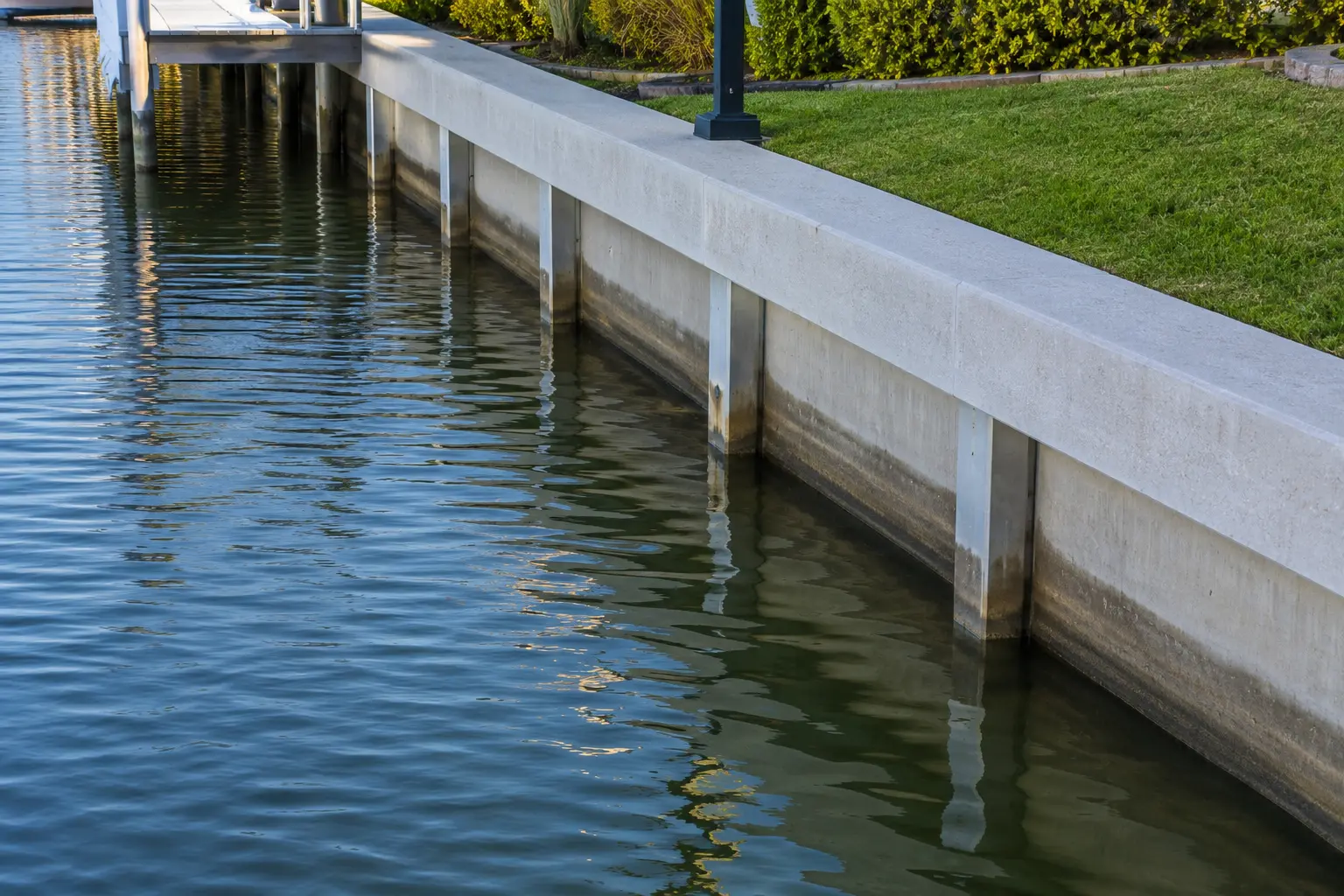
Why Seawalls Matter
Many buyers focus on the home they plan to build and overlook the condition or existence of the seawall.
In reality, the seawall can be one of the most important components of a waterfront property.
A seawall can affect:
- Construction costs
- Property value
- Waterfront usability
- Future maintenance expenses
- Boat dock installation
- Boat lift installation
- Resale value
- Shoreline stability
Understanding the condition of the seawall before purchasing a lot can help buyers avoid unexpected expenses after closing.
Does Every Waterfront Lot Have a Seawall?
No.
Some waterfront lots already have seawalls installed, while others do not.
This is especially common in areas of Cape Coral that have experienced more recent development.
In many established neighborhoods, particularly portions of Southeast Cape Coral and Southwest Cape Coral, waterfront lots frequently already have seawalls in place.
In developing areas, especially portions of Northwest Cape Coral, buyers may encounter vacant waterfront lots that still require seawall construction before building can proceed.
This difference can have a significant impact on the overall project budget.
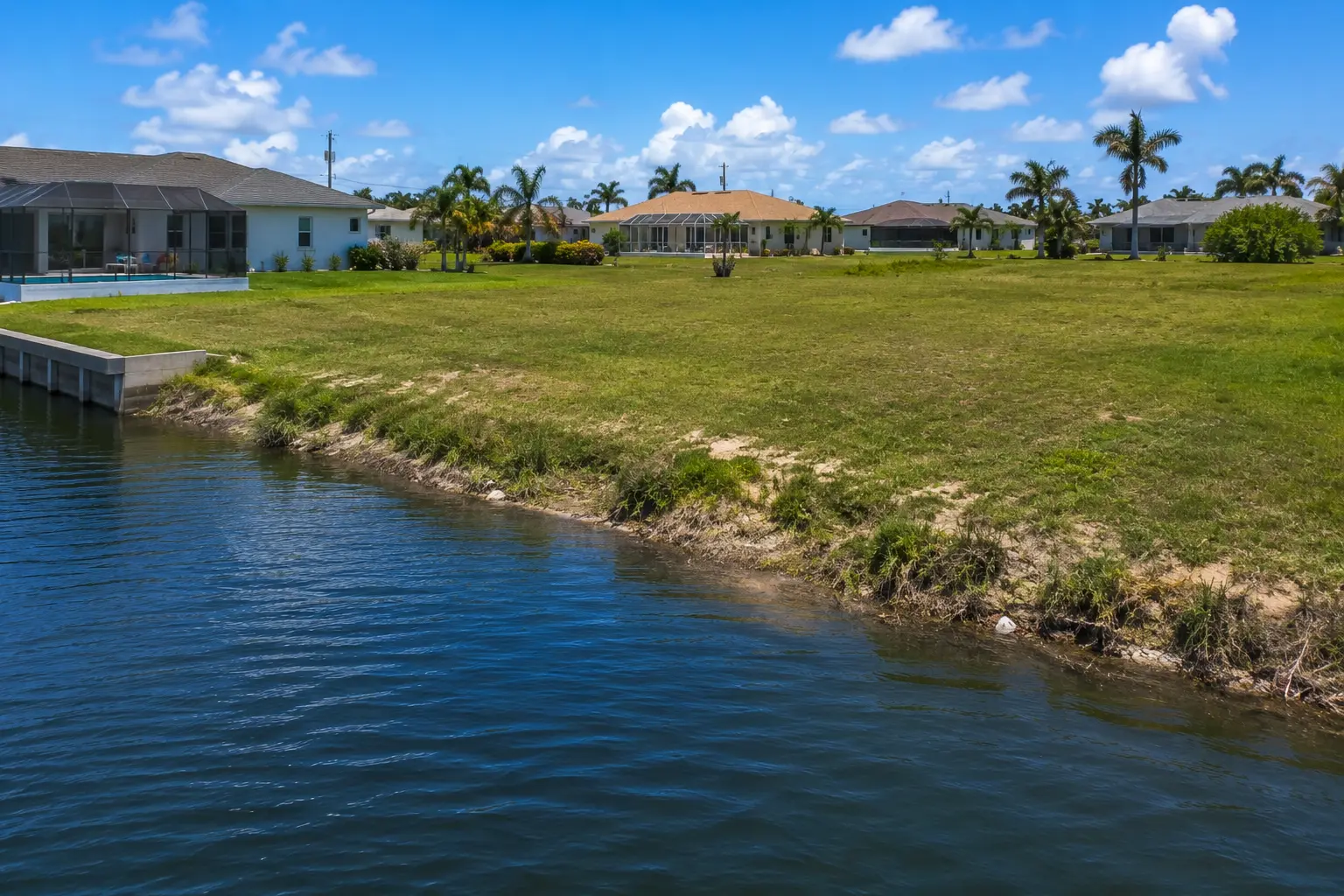
Existing Seawalls vs. New Seawall Construction
A waterfront lot with an existing seawall may initially appear more expensive than a vacant lot without one.
However, buyers should consider the value of the existing improvement.
A properly constructed seawall can represent a substantial investment and may save considerable time and expense during the building process.
When evaluating an existing seawall, buyers should consider:
- Age of the seawall
- Visible condition
- Structural integrity
- Signs of erosion
- Settlement or movement
- Prior repairs
- Future maintenance needs
Not all seawalls are equal, and an older seawall may require repairs or upgrades.
Seawall Materials and Construction
Several types of seawall systems can be found throughout Cape Coral.
Depending on the age of the property and when improvements were installed, materials may include:
- Concrete seawalls
- Reinforced concrete systems
- Vinyl seawall components
- Composite materials
Newer seawalls often incorporate modern construction methods and materials designed to improve longevity and reduce maintenance requirements.
The specific type of seawall can influence future maintenance costs and expected lifespan.
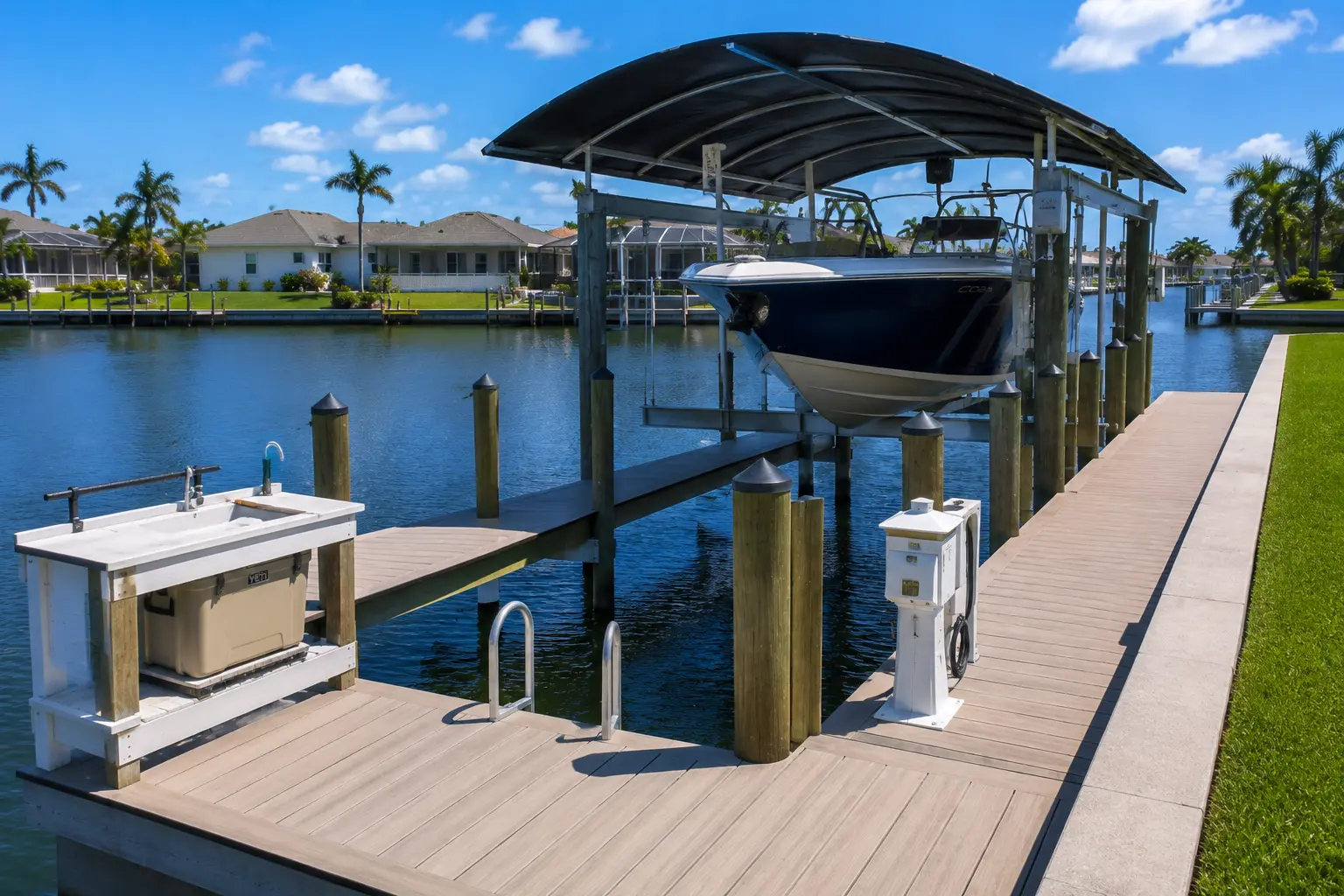
Saltwater vs. Freshwater Considerations
Although both freshwater and saltwater properties may utilize seawalls, ownership experiences can differ.
Saltwater canal properties often involve additional considerations related to:
- Boat docks
- Boat lifts
- Tidal influences
- Larger vessel access
- Marine construction
Freshwater properties may focus more on:
- Shoreline stability
- Fishing access
- Kayak launches
- Recreational waterfront use
The intended use of the property often influences the type of waterfront improvements a buyer may eventually install.
Docks, Boat Lifts, and Future Improvements
Many buyers envision more than just a waterfront home.
They may also plan to add:
- Boat docks
- Boat lifts
- Composite decking
- Fishing platforms
- Tiki huts
- Outdoor entertainment spaces
The design of these improvements is often influenced by:
- Canal width
- Water depth
- Seawall configuration
- Boat size
- Access restrictions
Thinking about these future improvements before purchasing a lot can help ensure the property supports your long-term plans.
Canal Width and Water Views
Not all waterfront lots offer the same views.
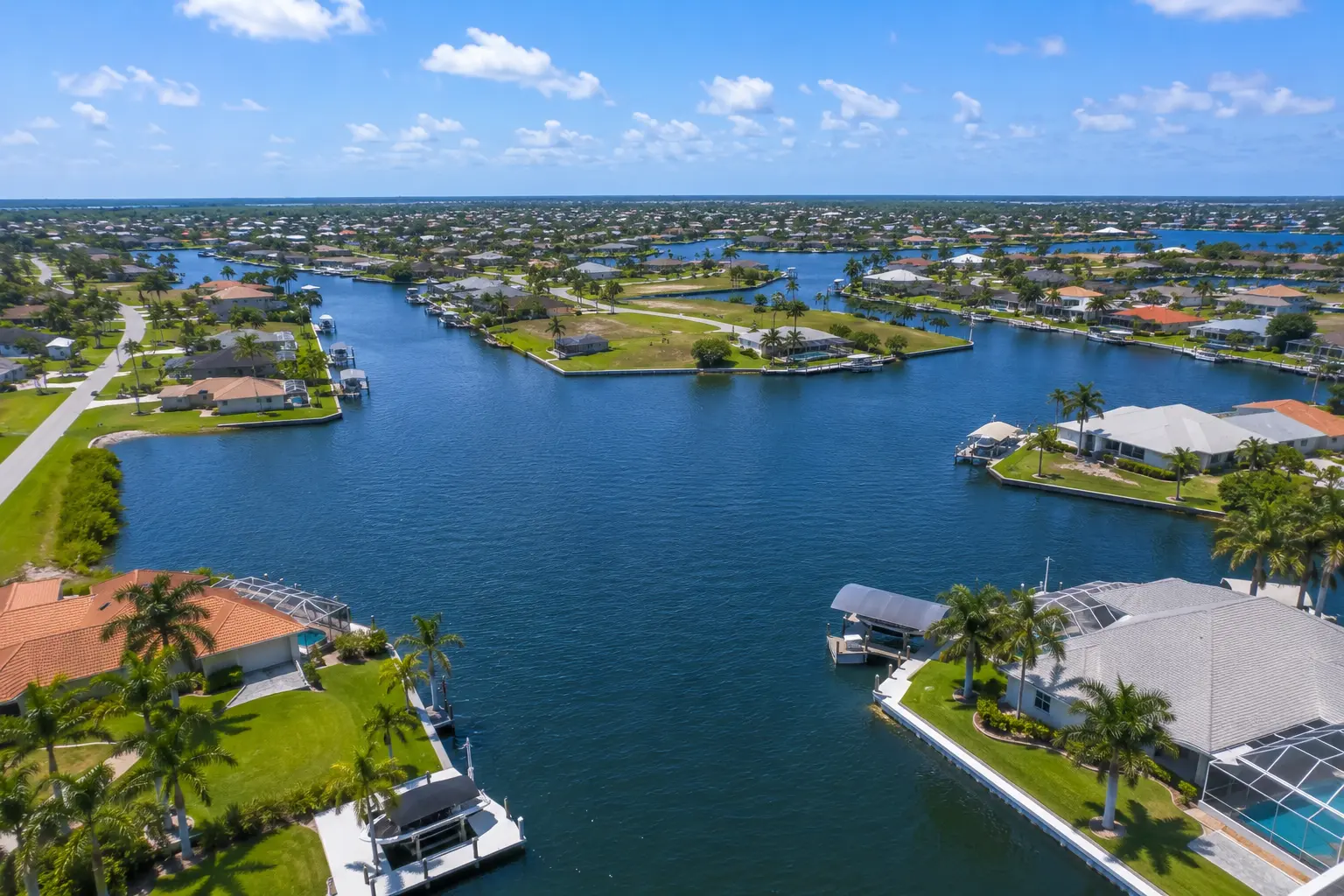
Some properties sit on narrow residential canals, while others enjoy wide intersecting canals, basin views, or expansive lake-like water vistas.
In many cases, wider water views contribute to:
- Greater privacy
- Improved aesthetics
- Enhanced outdoor living experiences
- Strong buyer demand
- Increased resale appeal
Many buyers discover that the quality of the view is just as important as the existence of waterfront access.
Water Depth and Boat Access
For buyers considering Gulf-access property, water depth can be an important consideration.
Certain canals may be better suited for larger vessels than others.
Factors affecting usability can include:
- Canal depth
- Canal width
- Bridge restrictions
- Turning areas
- Access routes
- Boat lift possibilities
Buyers should evaluate these factors carefully if boating is a significant part of their lifestyle.
Long-Term Maintenance Considerations
Waterfront ownership can be incredibly rewarding, but it also involves responsibilities.
Depending on the property, future maintenance may include:
- Seawall repairs
- Dock maintenance
- Boat lift maintenance
- Waterfront landscaping
- Shoreline monitoring
Understanding these responsibilities before purchasing helps buyers make informed decisions about the type of waterfront property that best fits their goals.
Common Mistakes Buyers Make
Many first-time waterfront buyers focus exclusively on the canal and overlook important details that can affect long-term ownership.
Common mistakes include:
- Not verifying whether a seawall exists
- Failing to evaluate seawall condition
- Ignoring future seawall costs
- Overlooking canal width and views
- Not considering future dock plans
- Focusing only on purchase price
- Failing to evaluate boating access
These factors can significantly affect both enjoyment and future costs.
How Cylina Helps Buyers Evaluate Waterfront Lots
One of the most valuable services Cylina provides is helping buyers understand the differences between waterfront properties before they make a purchase.
A waterfront lot may look attractive online, but factors such as seawall condition, canal width, boating access, future construction requirements, and neighborhood characteristics can dramatically affect the property’s value and suitability.
Cylina helps buyers evaluate:
- Existing seawalls
- Lots requiring seawall installation
- Canal characteristics
- Waterfront views
- Boating considerations
- Future improvement opportunities
- Neighborhood differences
- Long-term value potential
Because she works with buyers throughout Cape Coral, she helps clients identify opportunities while avoiding costly surprises that may not be obvious when viewing properties online.
Building on the Waterfront With Confidence
Waterfront property remains one of the most desirable features in Cape Coral real estate.
However, successful waterfront ownership involves more than simply choosing a lot on a canal.
Understanding seawalls, shoreline conditions, canal characteristics, boating access, and future improvement opportunities can help buyers make informed decisions and better prepare for the building process.
With proper planning and guidance, a waterfront lot can become the foundation for a home that fully captures the unique lifestyle that makes Cape Coral one of Florida’s premier waterfront communities.