Flood Zones and Elevation
Flood Zones and Elevation in Cape Coral
When evaluating land in Cape Coral, few factors are more important than flood zones and elevation.
Many buyers relocating to Florida focus on waterfront access, lot size, neighborhood location, and home design, but flood zone requirements can have a significant impact on construction costs, insurance premiums, and long-term ownership expenses.
The good news is that modern building standards have greatly improved how homes are designed and constructed in flood-prone areas. In many cases, newly built homes are significantly better positioned to withstand flooding and severe weather than older homes built decades ago.
Understanding how flood zones and elevation affect your property can help you make more informed decisions and avoid costly surprises during the building process.
Why Flood Zones Matter
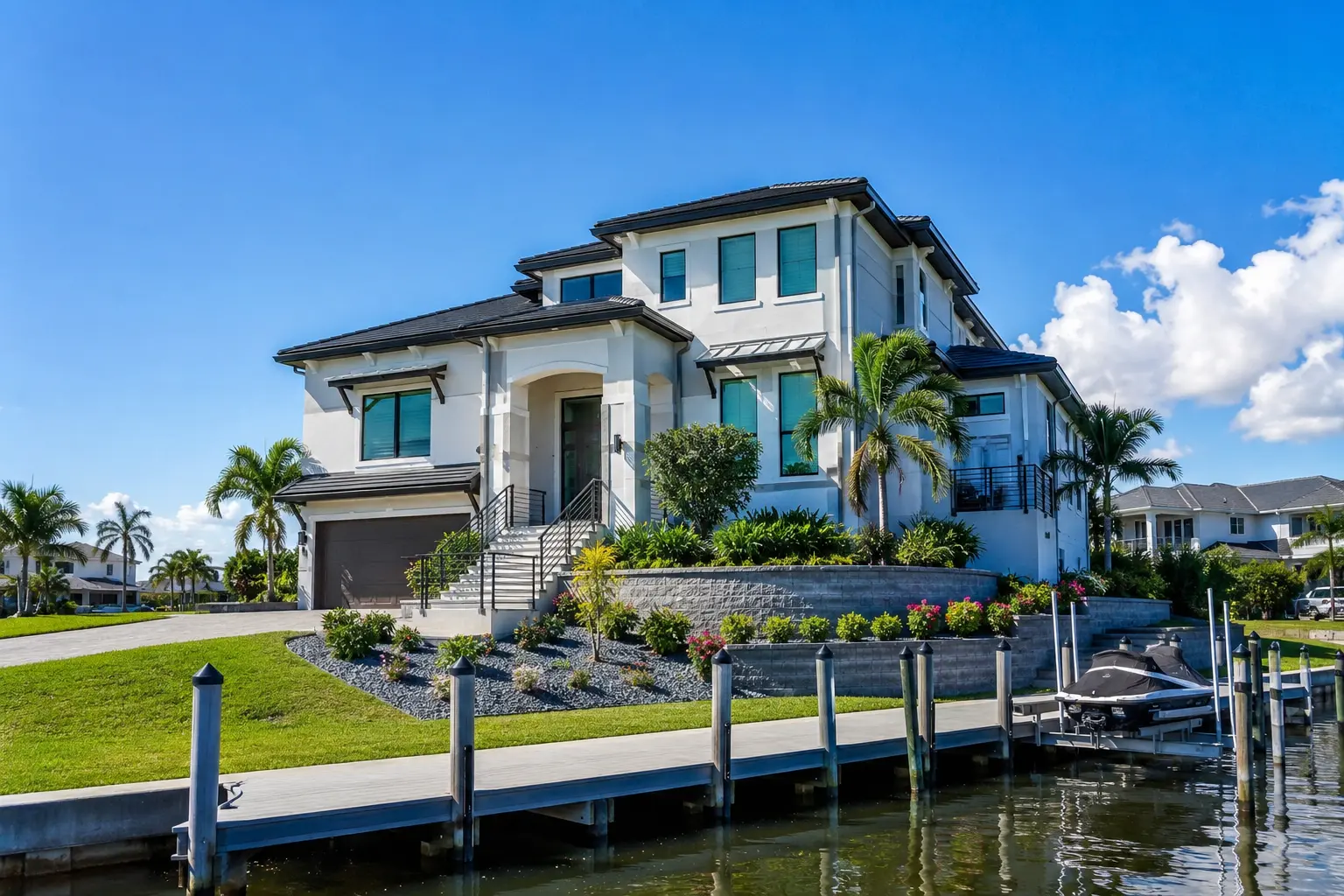
Cape Coral is surrounded by water and contains hundreds of miles of canals, making flood zone considerations an important part of local real estate.
Flood zones are established to identify areas with varying levels of flood risk and are used by lenders, insurance companies, builders, and local governments when evaluating properties.
A property’s flood zone can affect:
- Insurance requirements
- Insurance premiums
- Building requirements
- Finished floor elevations
- Construction costs
- Future resale value
Understanding a property’s flood designation is one of the first steps buyers should take before purchasing land.
What Is Elevation?
Elevation refers to the height of the land and the home relative to sea level.
In many cases, elevation is just as important as the flood zone itself.
Two lots may be located within the same general area yet have different elevations that influence construction requirements and insurance costs.
Modern building standards use elevation information to determine how high a home must be constructed above expected flood levels.
This helps reduce the risk of flood damage during major weather events.
Why New Homes Are Often Higher Than Older Homes
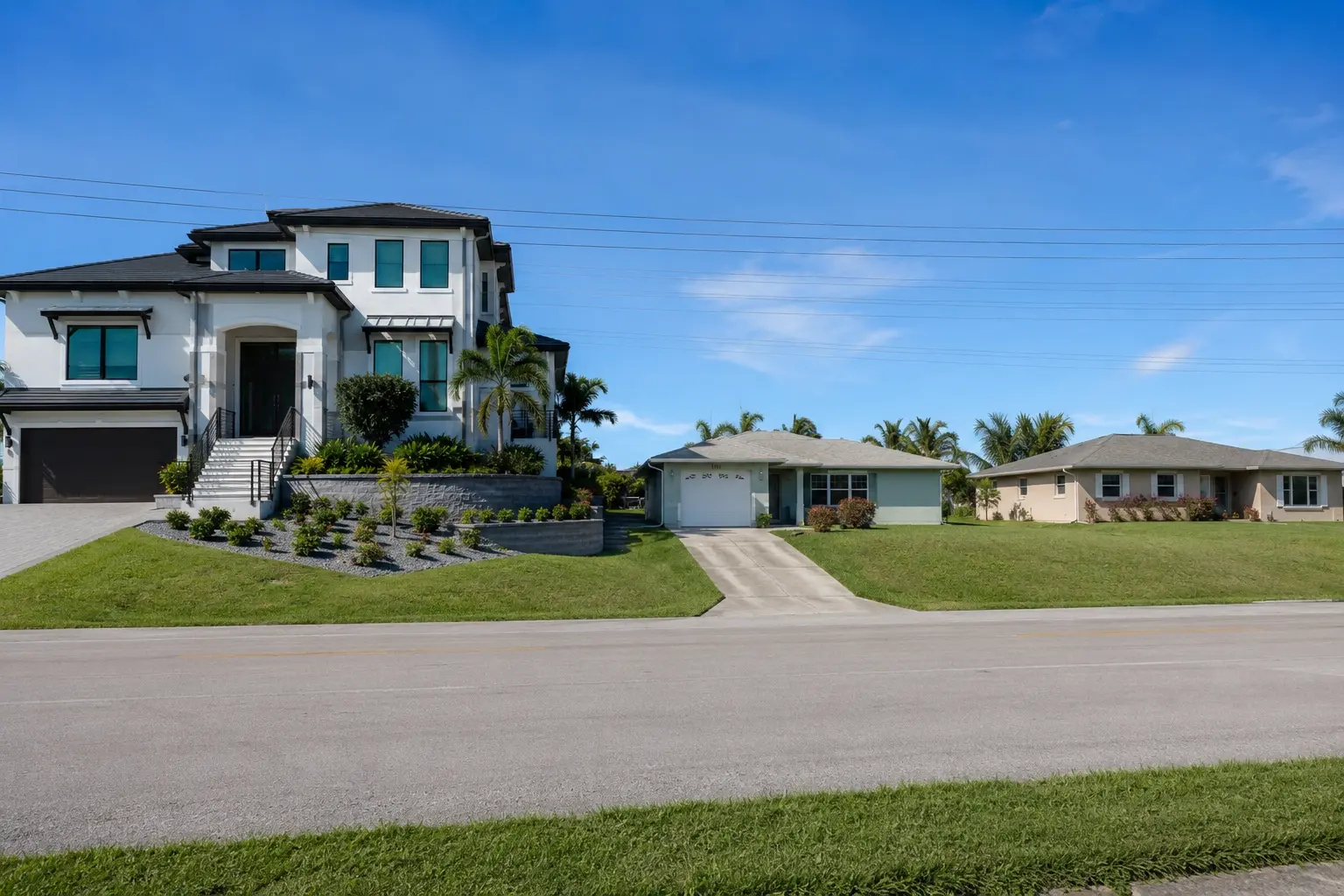
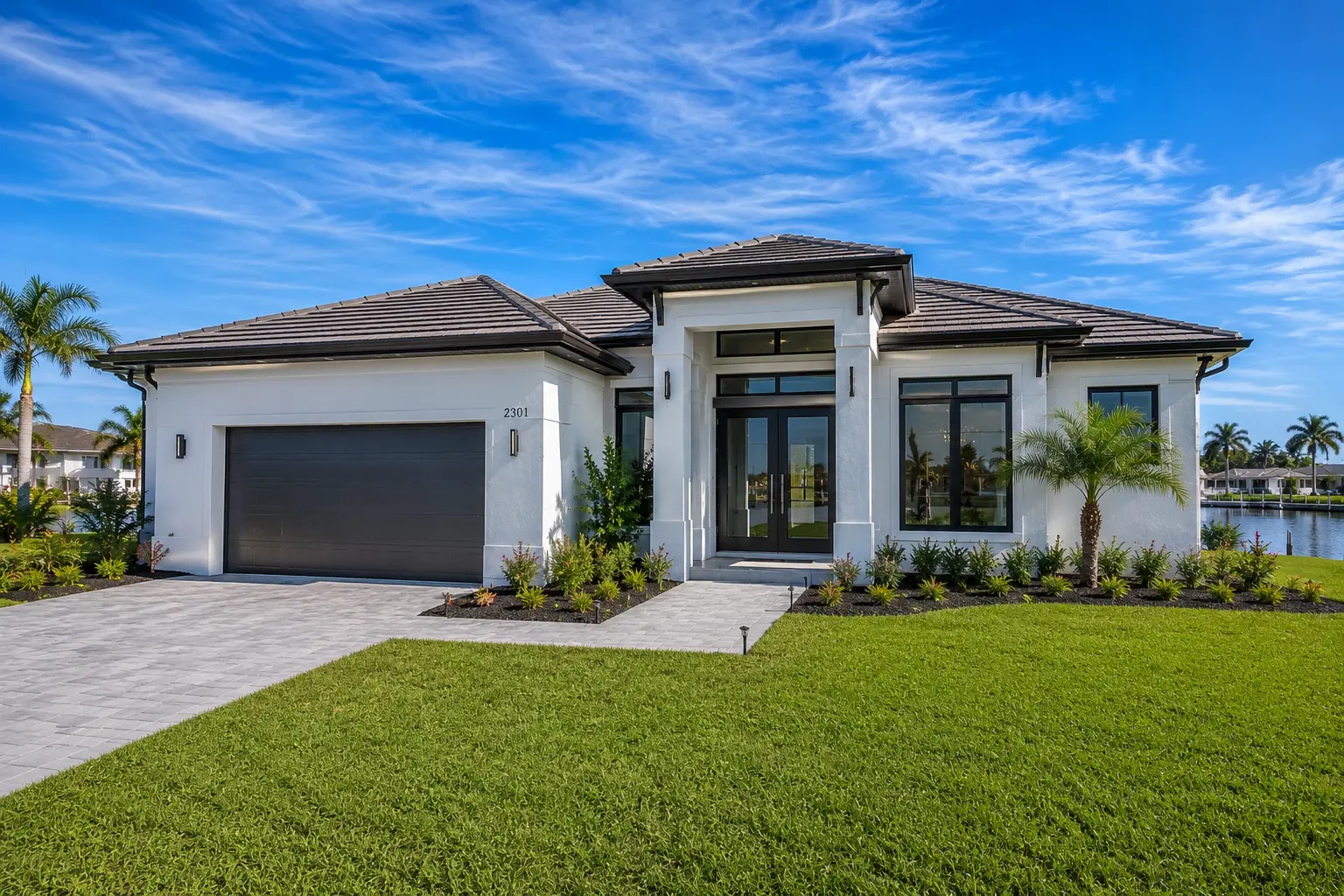
One of the first things many buyers notice in newer neighborhoods is that recently constructed homes often sit noticeably higher than neighboring houses.
This is not an accident.
Modern building codes and floodplain regulations frequently require higher finished floor elevations than those that existed when older homes were built.
As a result, many new homes are elevated several feet above nearby properties constructed decades ago.
This elevation difference can provide important advantages during heavy rainfall events, storm surge conditions, and hurricanes.
It can also positively impact insurance costs and long-term property protection.
Stem Walls, Fill, and Elevated Foundations
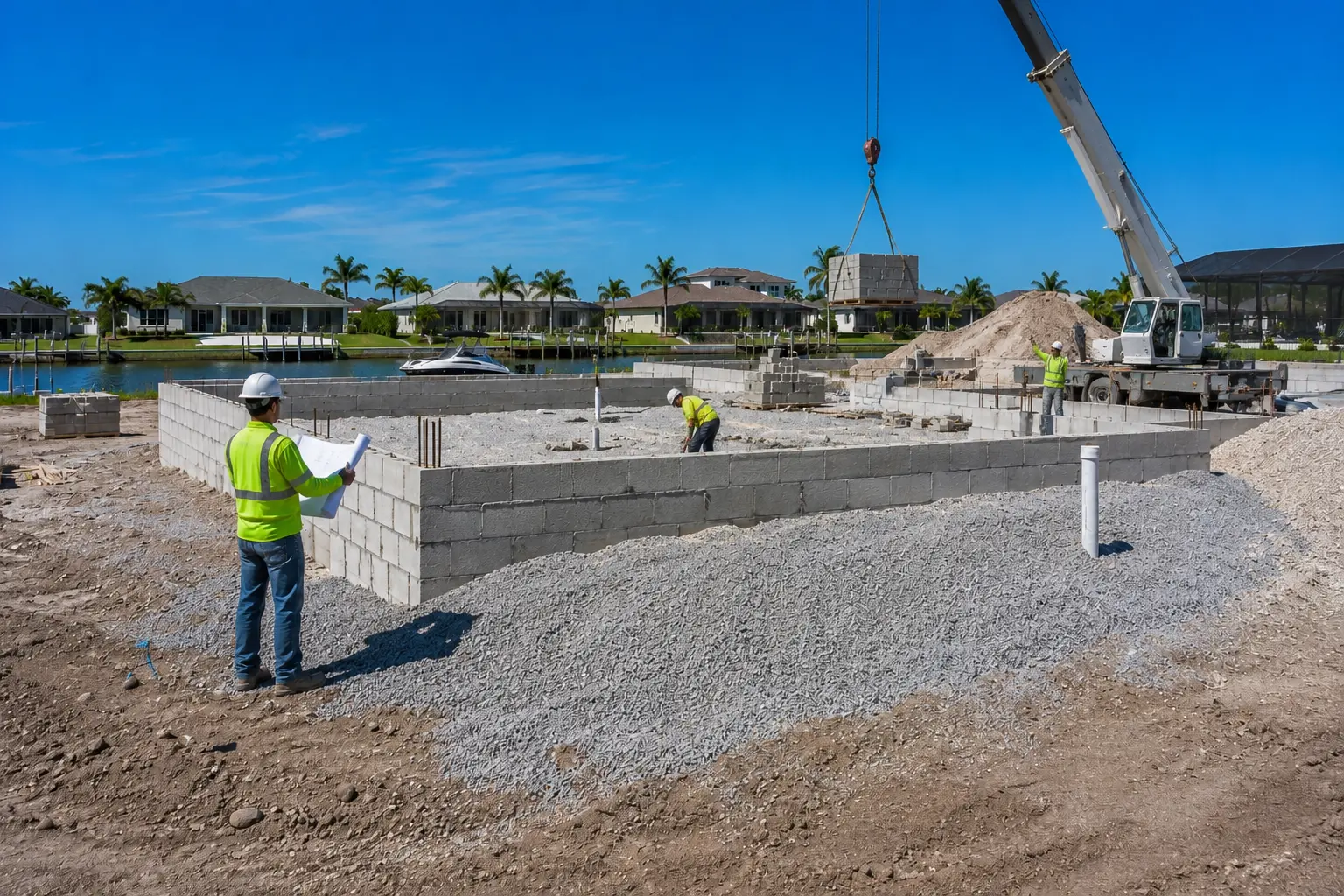
Modern construction often utilizes a combination of fill material and elevated foundation systems to meet current building requirements.
Depending on the lot and location, builders may use:
- Imported fill
- Elevated building pads
- Stem wall foundations
- Engineered foundation systems
- Raised slab construction
A stem wall foundation is commonly used to raise the home’s finished floor elevation above the surrounding grade. This creates a higher living area while helping the structure comply with current flood and building requirements.
These techniques are among the reasons many newly built homes sit substantially higher than older neighboring properties.
Building Above Minimum Requirements
Some buyers choose to build at elevations that exceed minimum requirements.
While this may increase certain construction costs initially, it can provide benefits such as:
- Additional flood protection
- Reduced future risk
- Improved peace of mind
- Potential insurance advantages
- Increased buyer appeal during resale
Many buyers view elevation as a long-term investment in the safety and durability of their home.
Flood Zones and Insurance Costs
Flood zones can directly affect insurance premiums.
Insurance companies evaluate numerous factors when determining rates, including:
- Flood zone designation
- Elevation certificates
- Finished floor elevation
- Building age
- Construction methods
- Flood mitigation features
In general, newer homes that comply with current floodplain requirements often compare favorably to older homes that were constructed under previous standards.
While every property is unique, modern construction can sometimes result in meaningful insurance advantages over older homes with lower elevations.
New Construction vs. Older Homes
One of the major advantages of building new is the opportunity to design the home according to current flood and hurricane standards.
Many older homes were built before today’s requirements existed.
As a result, buyers of older properties may face:
- Lower finished floor elevations
- Higher flood exposure
- Greater insurance costs
- More expensive future upgrades
- Additional flood mitigation concerns
A newly built home allows buyers to begin with current standards rather than inheriting older construction methods.
For many homeowners, this becomes an important financial and lifestyle advantage over time.
Waterfront Lots and Elevation
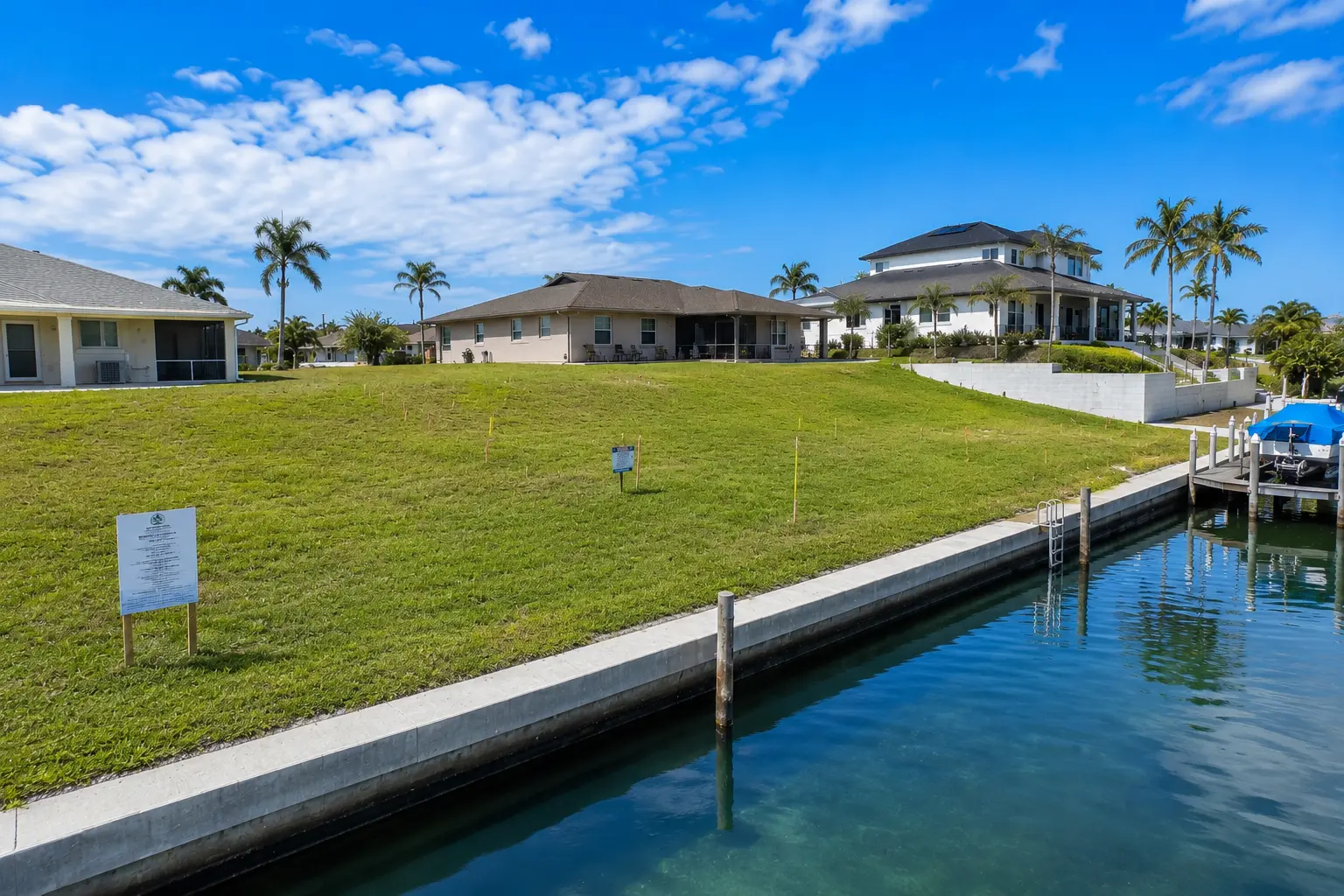
Many buyers assume that all waterfront properties face the same flood risks.
In reality, flood zone requirements can vary significantly even among waterfront lots.
Factors that may affect requirements include:
- Location within the city
- Canal type
- Elevation of the lot
- Proximity to open water
- Current flood mapping
- Building design
This is one reason why two seemingly similar waterfront lots may have very different construction requirements and insurance costs.
Common Mistakes Buyers Make
Many first-time buyers underestimate the importance of flood zones and elevation.
Common mistakes include:
- Focusing only on lot price
- Assuming all waterfront lots are similar
- Ignoring future insurance costs
- Not evaluating elevation requirements
- Comparing lots without understanding flood designations
- Purchasing land before understanding building implications
These factors can significantly affect both construction budgets and long-term ownership costs.
How Cylina Helps Buyers Evaluate Flood Zones and Elevation
One of the most valuable services Cylina provides is helping buyers understand how flood zones and elevation can affect a project before land is purchased.
Many buyers are unfamiliar with Florida floodplain regulations and may not recognize the long-term impact these factors can have on construction costs, insurance premiums, and future resale value.
Cylina helps clients evaluate:
- Flood zone designations
- Elevation considerations
- Waterfront lot differences
- Construction implications
- Insurance considerations
- Neighborhood characteristics
- Long-term ownership costs
She works closely with buyers to identify opportunities that align with their goals while helping them avoid surprises that may not be obvious when reviewing listings online.
Building Smarter for the Future
Flood zones and elevation are not simply technical issues. They are important factors that influence the safety, durability, and financial performance of a home.
Modern building standards have dramatically improved how homes are designed to handle Florida’s unique environmental challenges. Today’s new homes are often elevated higher, built stronger, and engineered to better withstand flooding and severe weather than homes built decades ago.
By understanding flood zones, evaluating elevation carefully, and working with knowledgeable professionals, buyers can make informed decisions that help protect both their investment and their peace of mind for years to come.
For many buyers, the ability to build a home that meets current flood and hurricane standards is one of the strongest arguments for purchasing land and building new rather than purchasing an older resale property.