Long-Term Value Comparison
Long-Term Value Comparison: Building vs. Buying in Cape Coral
When comparing a newly built home to an existing home, most buyers naturally focus on one number:
The purchase price.
While purchase price is important, it tells only part of the story.
A home is not a one-year investment. For most buyers, it is a place they will live, enjoy, maintain, and own for many years.
As a result, the real comparison between building and buying should focus on long-term value rather than simply the cost of acquisition.
When viewed through that lens, many buyers discover that new construction offers advantages that extend far beyond customization alone.
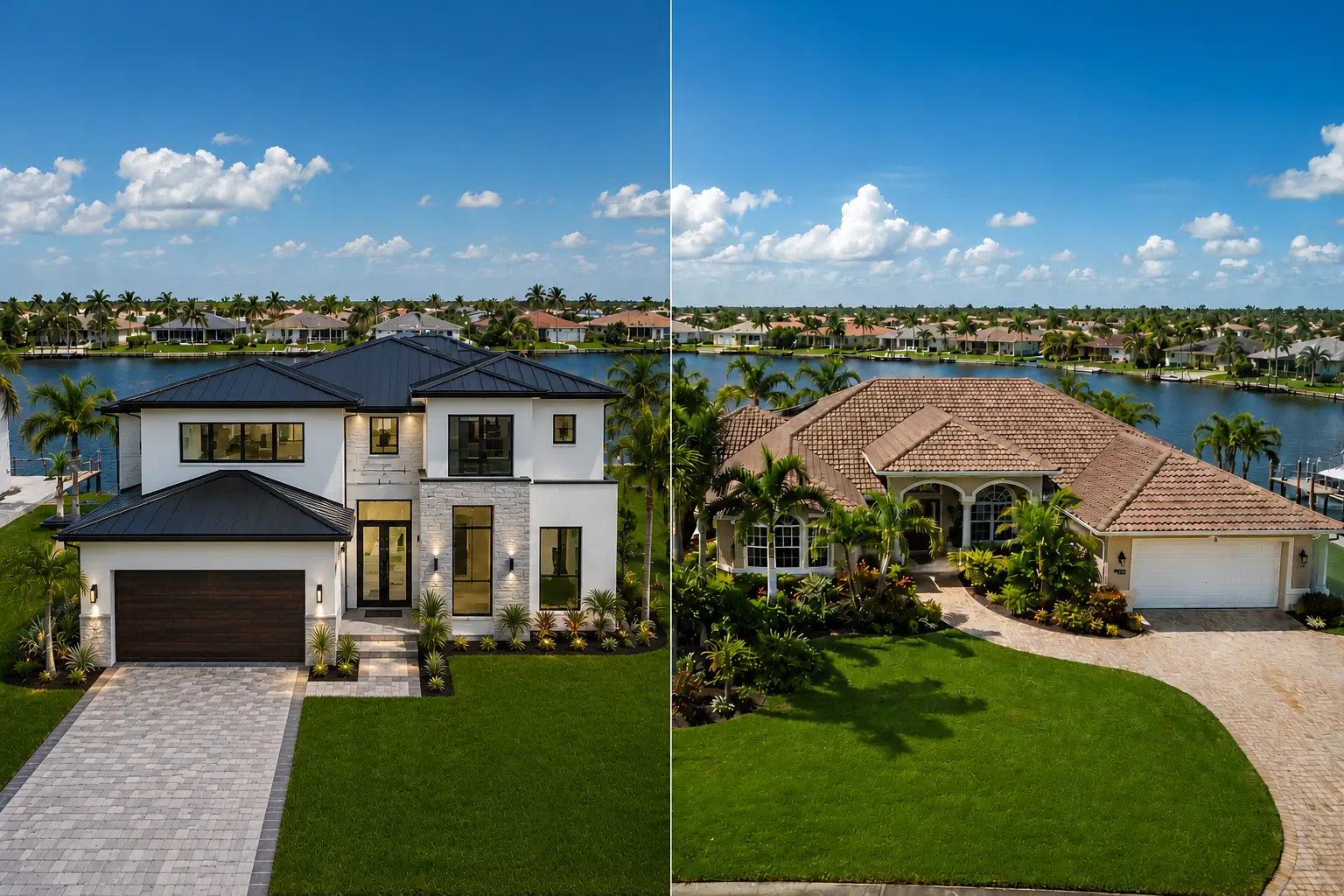
Value Is More Than Purchase Price
A common mistake buyers make is comparing only the upfront cost of an existing home and a newly built home.
For example, an older home may be listed for less than the cost of purchasing land and building.
At first glance, the existing home appears to be the better value.
However, long-term ownership involves many additional factors, including:
- Insurance costs
- Maintenance expenses
- Repair costs
- Energy consumption
- Renovation needs
- Future upgrades
- Resale appeal
Over time, these expenses can significantly affect the true cost of ownership.
The better question is not:
“Which home costs less today?”
The better question is:
“Which home will provide the greatest value over the years I own it?”
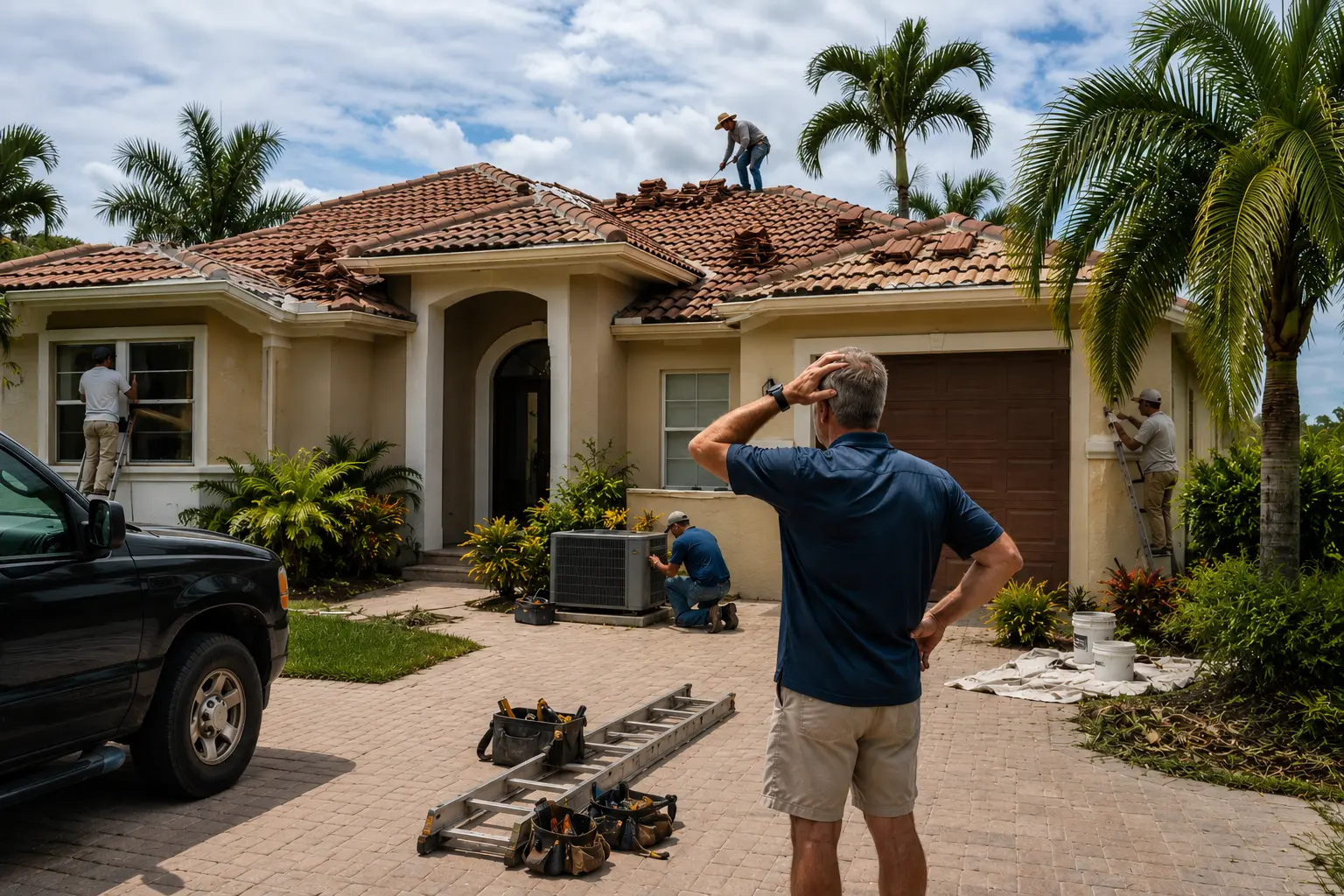
The Hidden Costs of Older Homes
One of the biggest challenges when evaluating existing homes is that future expenses are often difficult to see.
A home may appear move-in ready while still containing aging components that will eventually require replacement.
Examples often include:
- Roofs
- Air conditioning systems
- Water heaters
- Plumbing systems
- Electrical systems
- Windows
- Appliances
These expenses may not appear immediately, but they frequently become part of the ownership experience over time.
Many buyers who initially believed they were saving money discover that ongoing repairs and upgrades gradually narrow the financial gap between buying and building.
Insurance Considerations Over Time
Insurance has become an increasingly important factor in Florida homeownership.
Many insurance companies evaluate:
- Roof age
- Wind mitigation features
- Impact-resistant openings
- Building code compliance
- Construction methods
- Elevation
Because new homes are built according to current standards, they often begin with advantages that older homes may not possess.
While insurance costs vary by property and carrier, many buyers find that newer homes provide long-term benefits through modern construction and reduced risk exposure.
Over the course of many years, these differences can become meaningful.
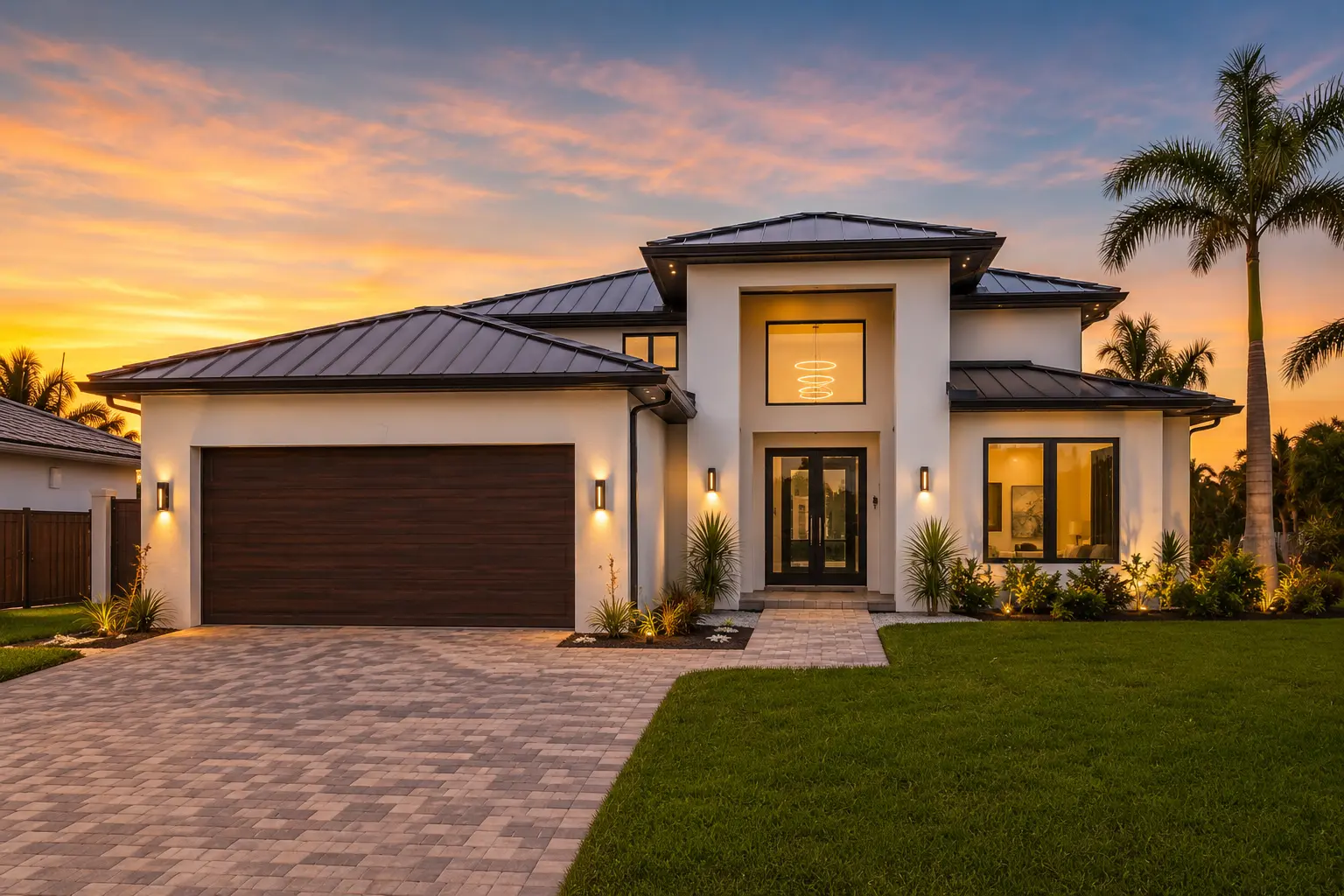
Energy Efficiency and Operating Costs
Modern construction techniques have dramatically improved energy efficiency.
Today’s homes frequently include:
- Better insulation
- Improved windows
- High-efficiency HVAC systems
- Modern building materials
- Improved air sealing
These features can reduce utility costs while improving indoor comfort.
While monthly savings may appear modest at first, they can accumulate significantly over the life of the home.
The Value of Modern Building Standards
Florida’s building codes have evolved substantially over the past several decades.
New homes are often designed to provide improved protection against:
- High winds
- Hurricanes
- Heavy rainfall
- Water intrusion
- Structural stresses
These improvements contribute not only to safety but also to long-term durability.
Many buyers view modern construction standards as an investment in future resilience.

Long-Term Maintenance Requirements
Every home requires maintenance.
The difference is often the timing.
When purchasing an older home, buyers inherit the age and condition of existing systems.
When building new, major components generally begin their lifecycle at the same time.
This often allows homeowners to enjoy years of ownership with fewer significant repair concerns.
For many buyers, avoiding unexpected maintenance costs becomes an important contributor to long-term value.
Resale Appeal Matters
Although most buyers are focused on moving into their new home, it is wise to consider future resale potential.
Features that appeal to today’s buyers often appeal to tomorrow’s buyers as well.
Modern homes frequently offer:
- Open floor plans
- Impact windows
- Contemporary kitchens
- Energy-efficient systems
- Larger primary suites
- Outdoor living spaces
- Home offices
These features often align closely with current market preferences.
As a result, newly built homes may enjoy strong appeal when it is eventually time to sell.
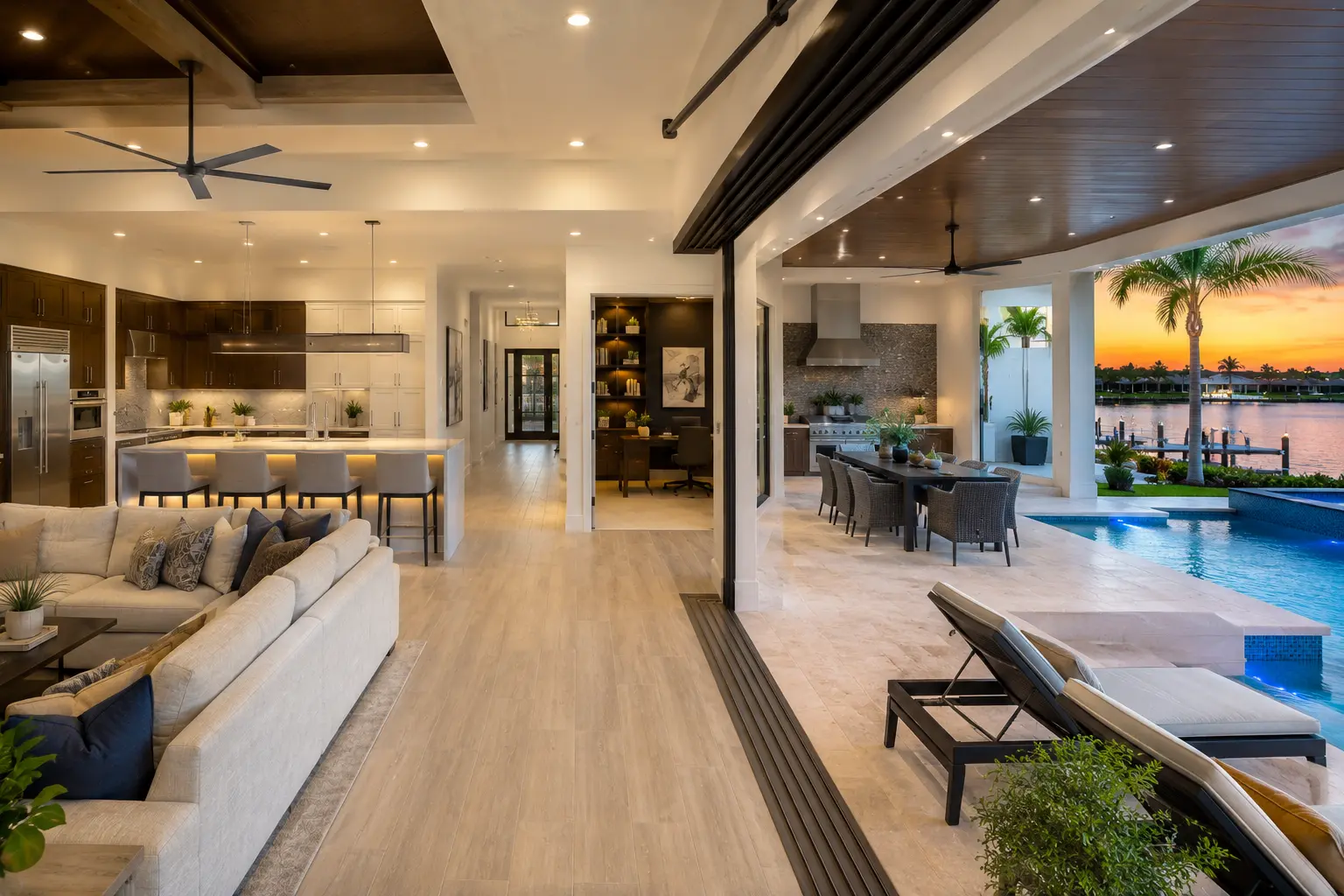
The Lifestyle Value of Building
Financial considerations are important, but value is not purely financial.
The home you live in affects your daily life.
Building allows buyers to choose:
- The location
- The lot
- The floor plan
- The finishes
- The outdoor spaces
- The storage solutions
- The garage configuration
Rather than adapting to someone else’s decisions, buyers can create a home that reflects their own priorities and lifestyle.
For many homeowners, this personal satisfaction represents one of the greatest benefits of building.
The Happiness Factor
This is the part of the equation that cannot easily be measured.
Imagine two homeowners.
One purchased an older home that was close to what they wanted.
The other built a home designed specifically around their lifestyle.
Twenty years later, which homeowner is more likely to say:
“This home is exactly what I wanted.”
For many buyers, the answer is obvious.
While no home is perfect, a custom or semi-custom home often provides a level of personalization that is difficult to achieve through purchase and renovation alone.
That satisfaction has value.
Building for the Way You Live Today
Many older homes were designed around priorities that existed decades ago.
Today’s buyers often value:
- Open living spaces
- Home offices
- Large kitchens
- Outdoor entertaining areas
- Energy efficiency
- Smart home technology
Building new allows these priorities to be incorporated from the beginning rather than added later through costly renovations.
This often results in a home that feels more functional and enjoyable throughout the years of ownership.
How Cylina Helps Buyers Evaluate Long-Term Value
One of the most important roles Cylina plays is helping buyers look beyond the purchase price.
Many buyers become focused on the initial numbers without considering the broader ownership experience.
Cylina helps clients evaluate:
- Existing homes
- New construction opportunities
- Long-term ownership costs
- Insurance considerations
- Maintenance expectations
- Lot opportunities
- Future resale potential
- Lifestyle priorities
Because she understands both the resale market and the new construction process, she can help buyers compare options objectively and identify the path that offers the greatest overall value for their specific situation.
Looking Beyond Today’s Decision
The decision between building and buying is not simply about where you will live next year.
It is about where you will live for many years to come.
The home you choose will influence your finances, your lifestyle, your maintenance responsibilities, and your daily enjoyment of the property.
While every buyer’s situation is different, many people discover that building provides advantages that continue delivering value long after construction is complete.
Modern construction standards, reduced maintenance concerns, improved efficiency, insurance advantages, customization opportunities, and the satisfaction of living in a home designed specifically around your needs can create benefits that extend for decades.
When viewed through a long-term lens, building is often more than a construction decision.
It is an investment in the way you want to live.