Is It Cheaper to Build or Buy
Is It Cheaper to Build or Buy in Cape Coral?
One of the most common questions buyers ask when considering new construction is:
Is it cheaper to build a home or buy an existing one?
The answer is not always straightforward.
In some situations, purchasing an existing home may cost less than building a new one. In other cases, building may provide better long-term value and lower overall ownership costs.
The challenge is that many buyers compare only the purchase price while overlooking the many other costs that affect homeownership over time.
To answer the question properly, it is important to compare not only what a home costs today, but what it will cost to own over the years ahead.
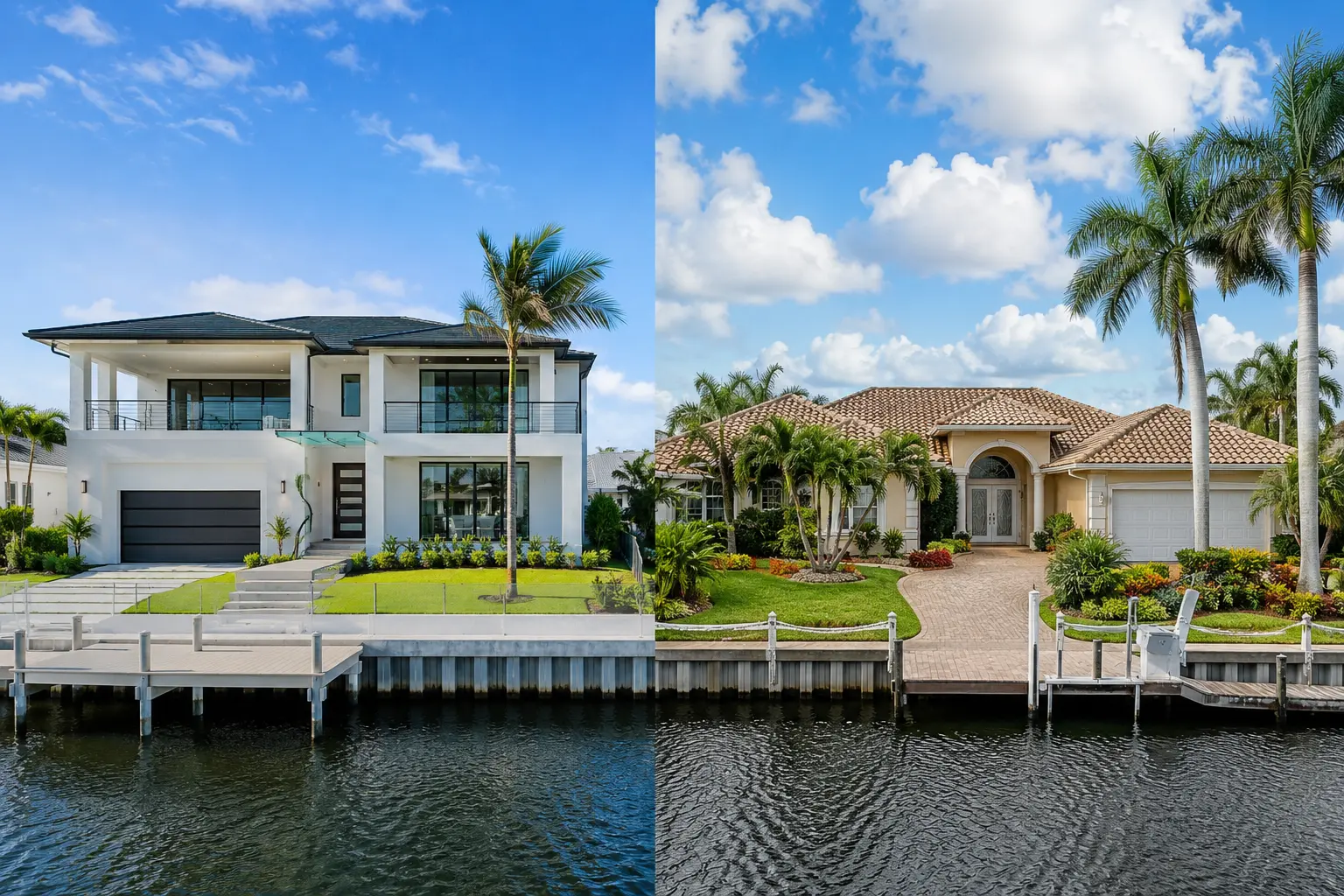
The Simple Comparison
At first glance, buying often appears less expensive.
For example:
Existing Home
- Purchase Price: $550,000
New Construction
- Lot Purchase: $150,000
- Home Construction: $500,000
- Total Project Cost: $650,000
Looking only at the initial numbers, the existing home appears to save $100,000.
Many buyers stop their analysis at this point.
However, this is rarely the complete financial picture.
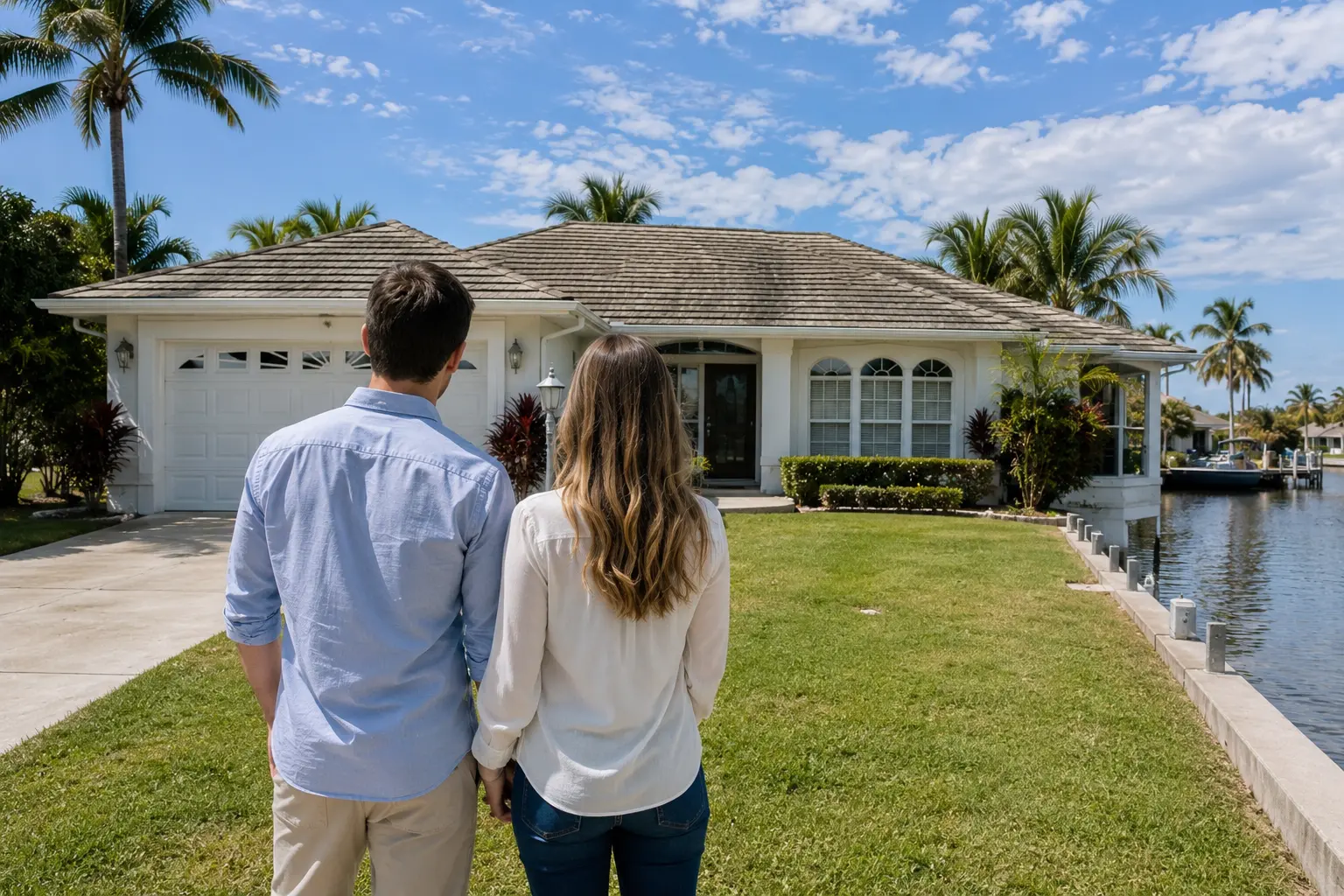
Looking Beyond the Purchase Price
A home’s purchase price is only one part of the ownership experience.
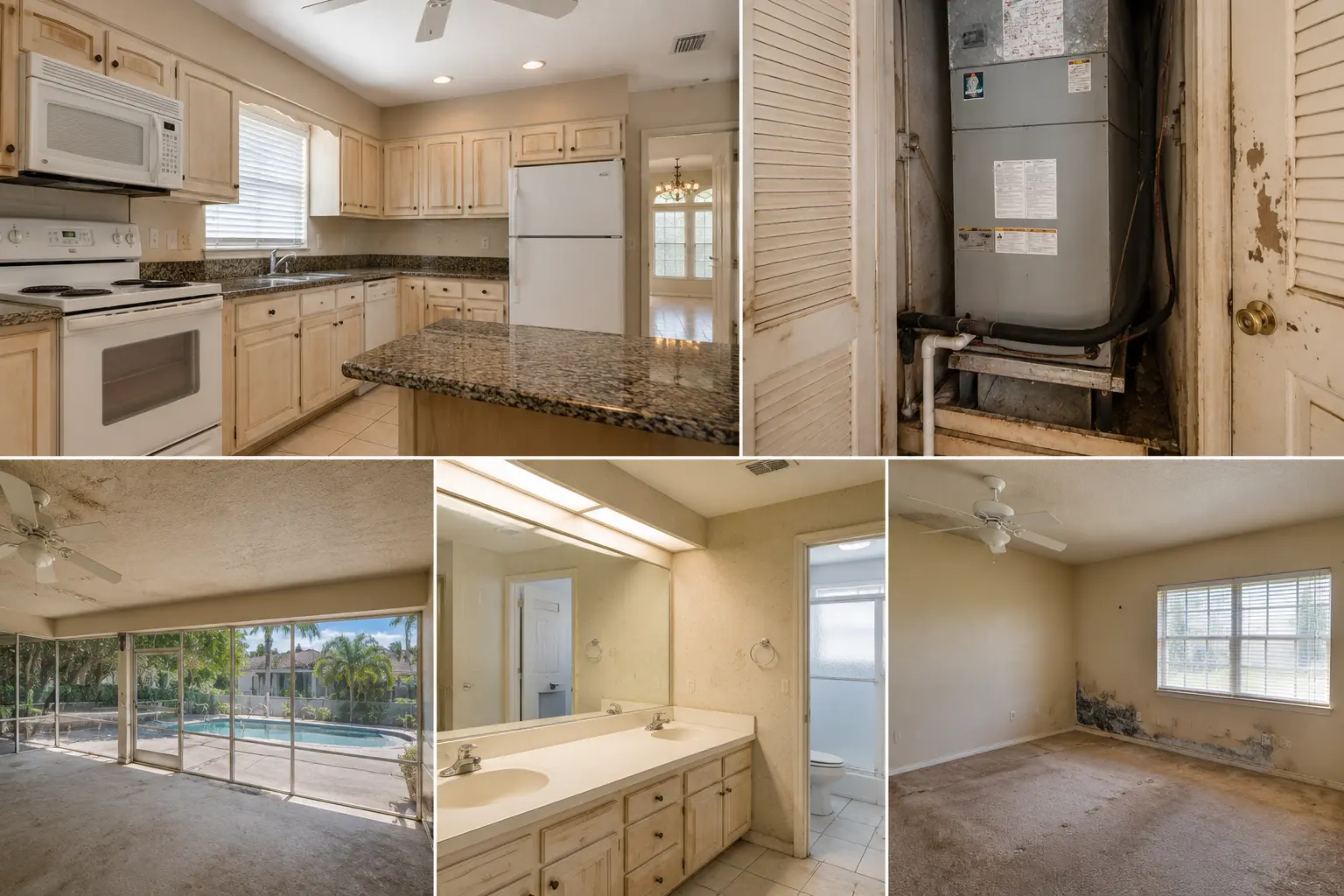
Over time, homeowners may face expenses such as:
- Roof replacement
- Air conditioning replacement
- Window replacement
- Plumbing repairs
- Electrical upgrades
- Kitchen renovations
- Bathroom renovations
- Flooring replacement
- Insurance increases
These expenses often occur gradually, making them easy to overlook during the buying process.
The real question becomes:
How much will each option cost over the next 10, 15, or 20 years?
A Hypothetical Example
Imagine two buyers.
Buyer A Purchases an Existing Home
Purchase Price: $550,000
Within the first several years, the buyer spends:
- New Roof: $25,000
- HVAC Replacement: $10,000
- Impact Windows: $30,000
- Kitchen Updates: $25,000
- Miscellaneous Repairs: $10,000
Total Additional Investment: $100,000
Total Effective Cost: $650,000
Buyer B Builds a New Home
Lot Purchase: $150,000
Construction Cost: $500,000
Total Project Cost: $650,000
In this simplified example, the costs ultimately become very similar.
The difference is that Buyer B received a brand-new home designed specifically around their preferences.
While every situation is different, examples like this help explain why purchase price alone does not always tell the entire story.
Insurance Can Change the Equation
Insurance has become an increasingly important factor in Florida homeownership.
Many insurance companies evaluate:
- Roof age
- Impact-resistant openings
- Wind mitigation features
- Elevation
- Building code compliance
Because new homes are built according to current standards, they often begin with advantages that many older homes do not possess.
While insurance costs vary by property and carrier, these differences can affect ownership costs over many years.
Energy Efficiency Matters
Modern homes are generally more energy efficient than older homes.
Features commonly found in new construction include:
- Better insulation
- High-efficiency HVAC systems
- Modern windows
- Improved building envelopes
- Smart home technology
These improvements can reduce utility costs while increasing comfort.
Although monthly savings may seem modest, they can accumulate over time.
What About Renovating an Older Home?
Many buyers consider purchasing an older home and renovating it.
At first glance, this may appear to offer the best of both worlds.
However, renovation projects frequently involve:
- Unexpected costs
- Permit delays
- Hidden structural issues
- Plumbing upgrades
- Electrical upgrades
- Schedule overruns
In some cases, buyers spend significant sums renovating an older home while still ending up with many of the limitations associated with older construction.
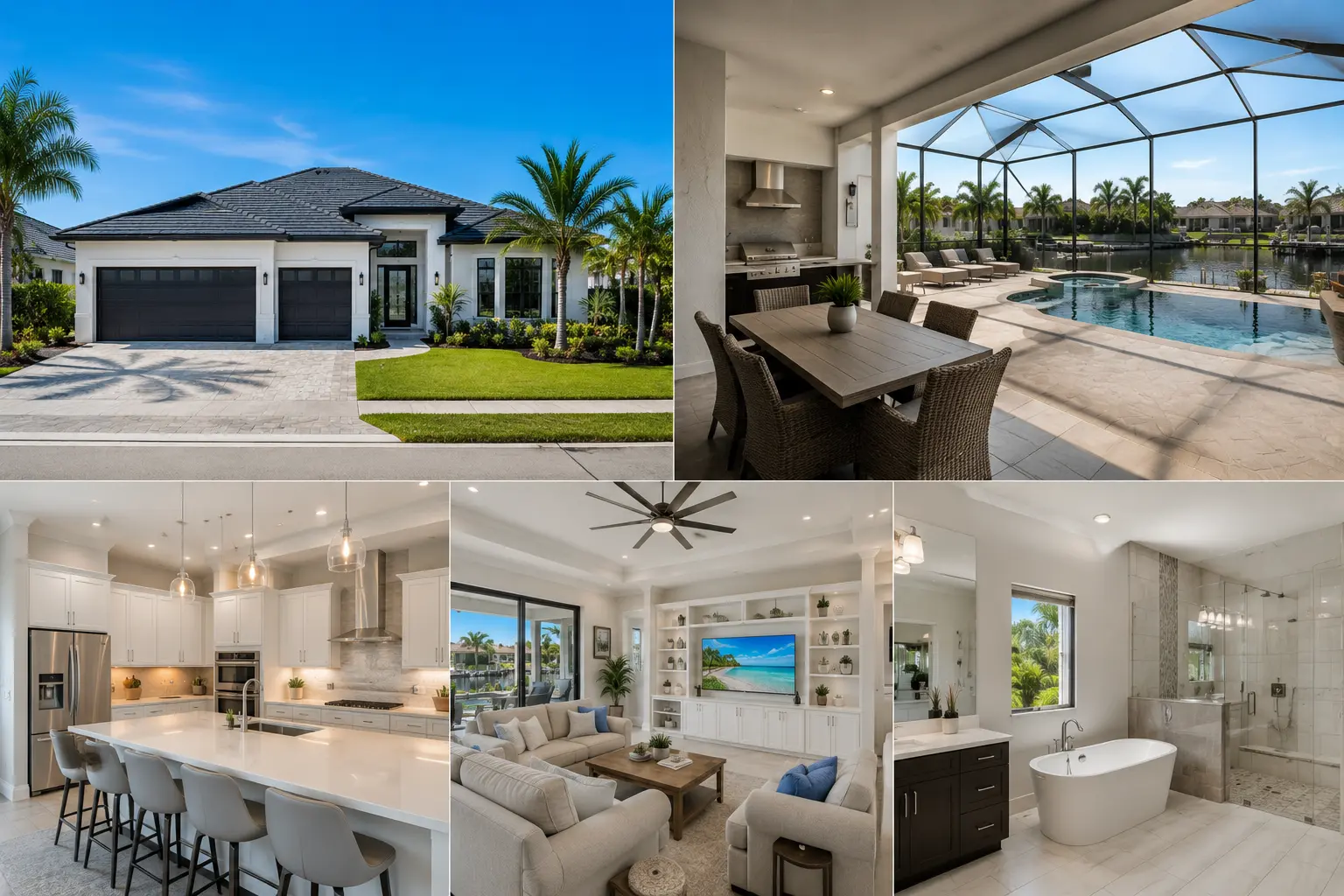
Building new allows buyers to start with a blank slate rather than trying to adapt an older structure to modern expectations.
The Lifestyle Comparison
The financial comparison is important, but cost is only one factor.
Buyers should also consider:
- Floor plan functionality
- Location preferences
- Maintenance expectations
- Customization opportunities
- Long-term satisfaction
An existing home may save money initially but require compromises in layout, design, or future maintenance.
A newly built home often provides greater control over these factors.
For many homeowners, that added flexibility has significant value.
Situations Where Buying May Be Less Expensive
Purchasing an existing home may make more financial sense when:
- The home is relatively new
- Major systems have recently been replaced
- Few renovations are needed
- The buyer needs to move quickly
- The property is priced attractively relative to comparable new construction
In these situations, buying may represent an excellent value.
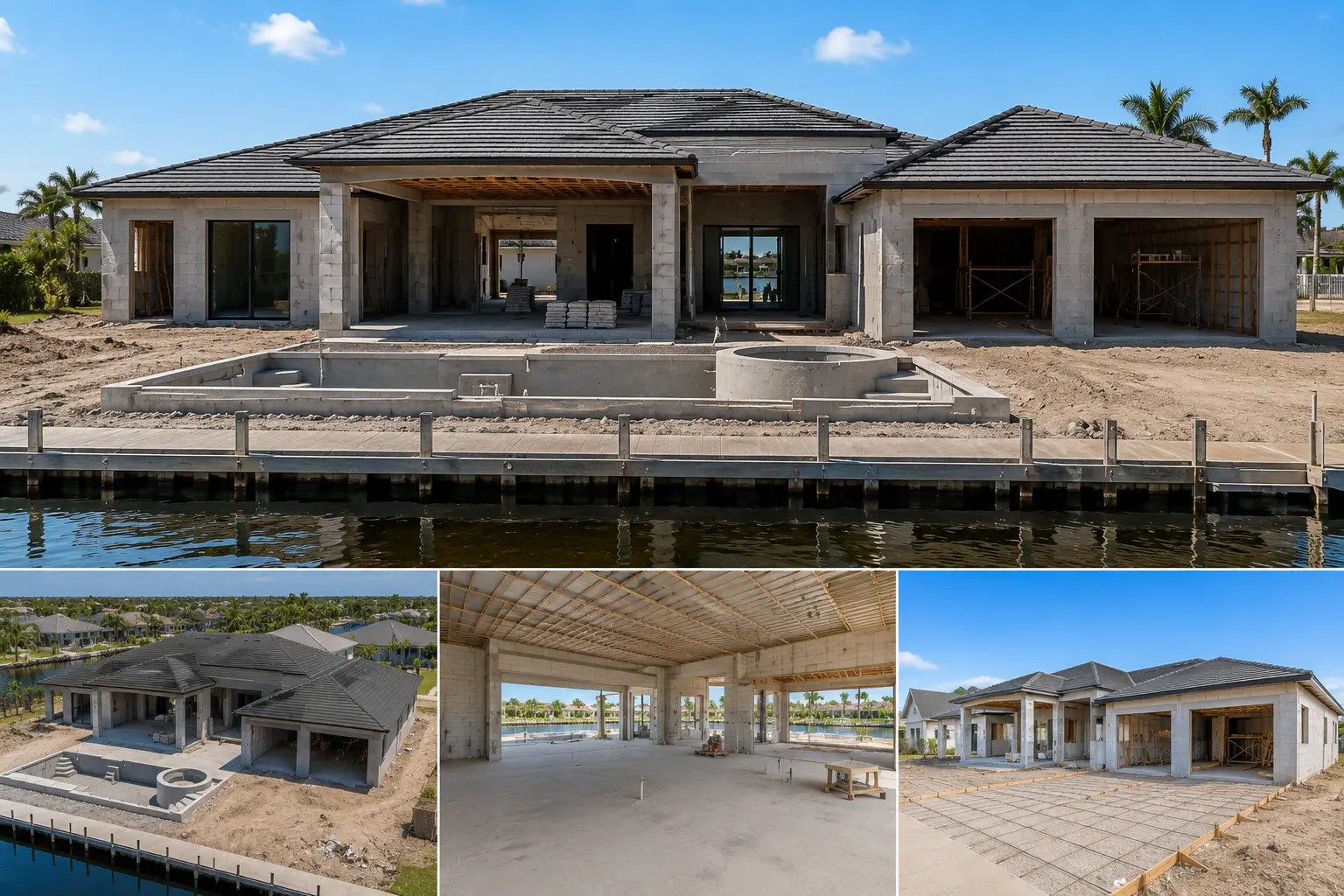
Situations Where Building May Be More Cost Effective
Building may provide better overall value when:
- Existing homes require significant upgrades
- Insurance costs are a major concern
- Buyers want modern layouts
- Buyers plan to remain in the home long term
- Maintenance costs are a priority
- Customization is important
Many buyers find that the longer they plan to own the home, the stronger the argument for building becomes.
There Is No Universal Answer
The reality is that there is no single answer to the question.
Some buyers will be better served by purchasing an existing home.
Others will find that building offers superior value, fewer compromises, and a better long-term ownership experience.
The right choice depends on:
- Budget
- Timeline
- Lifestyle
- Location preferences
- Risk tolerance
- Long-term plans
Every buyer’s situation is unique.
How Cylina Helps Buyers Compare Building and Buying
One of the advantages of working with Cylina is that she helps buyers evaluate both options objectively.
Rather than focusing solely on purchase price, she helps clients compare:
- Existing homes
- Available lots
- Construction opportunities
- Insurance considerations
- Renovation costs
- Long-term ownership expenses
- Lifestyle goals
Because she understands both the resale market and the new construction process, she can help buyers evaluate the complete financial picture rather than focusing on only one piece of it.
The Better Question
Instead of asking:
“Which option is cheaper?”
A better question may be:
“Which option provides the greatest value for my situation?”
For some buyers, that answer will be an existing home.
For others, it will be purchasing land and building a home specifically designed around their lifestyle and future goals.
The key is understanding all of the costs, opportunities, and tradeoffs before making a decision.
With the right information and proper guidance, buyers can make a choice that not only fits their budget today, but continues providing value for many years to come.