Cost of Living in Cape Coral
Cost of Living in Cape Coral
One of the reasons Cape Coral continues to attract buyers from across the country is that it offers a Florida coastal lifestyle that may be more accessible than many other waterfront markets. While the cost of living has increased in recent years, Cape Coral still appeals to retirees, families, remote workers, investors, and second-home buyers who are looking for sunshine, outdoor living, boating opportunities, and relative value.
Understanding the true cost of living involves much more than comparing home prices. Housing, utilities, insurance, taxes, groceries, transportation, healthcare, maintenance, recreation, and building costs all contribute to the overall financial picture.
Housing Costs
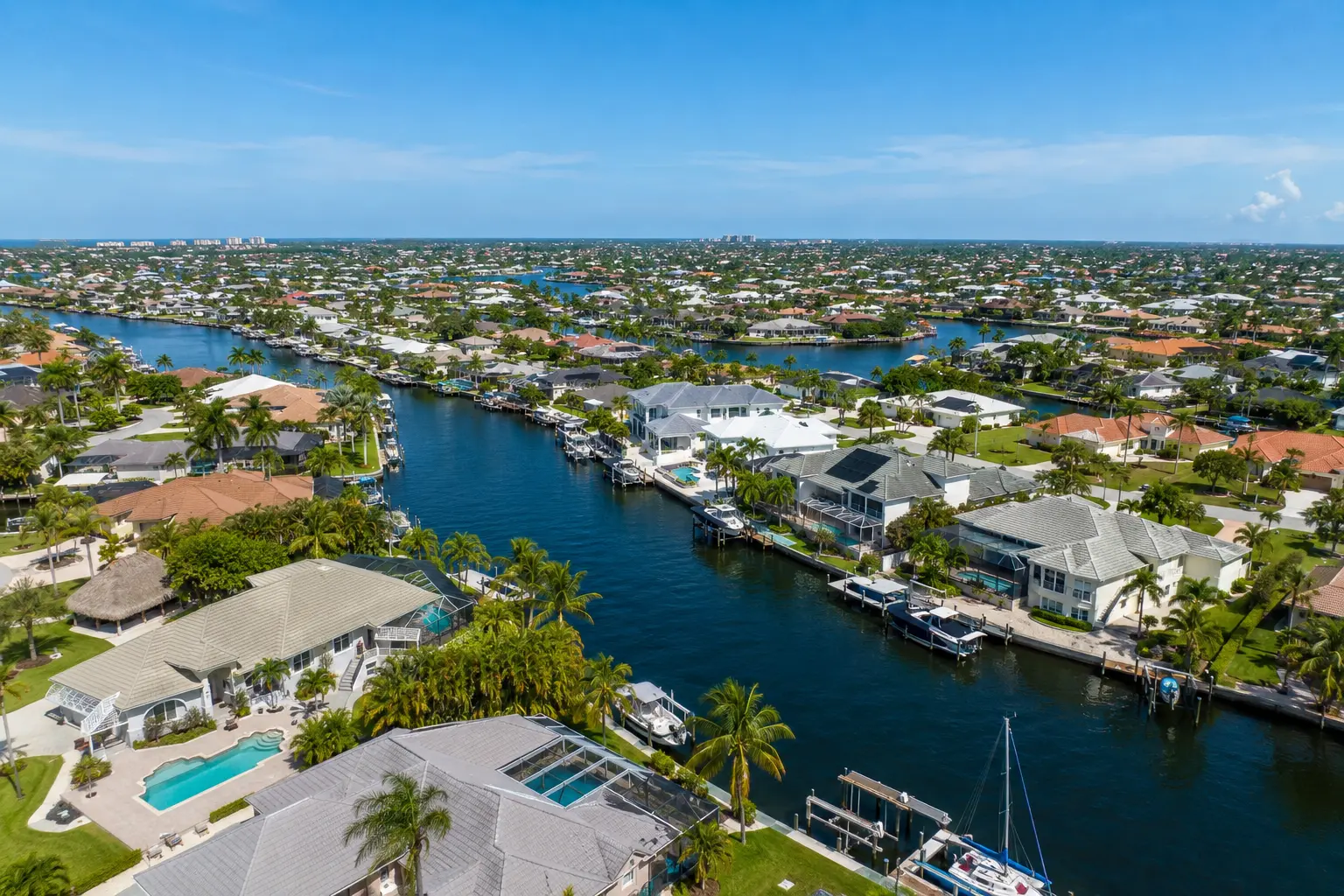
Housing is usually the largest expense for most residents.
Cape Coral offers existing homes, new construction homes, condominiums, waterfront properties, and vacant lots for custom building. Prices vary significantly based on location, canal access, home age, lot size, construction quality, and proximity to the river or Gulf.
Interior homes are generally more affordable than waterfront homes. Freshwater canal properties often fall between interior homes and Gulf-access properties. Gulf-access waterfront homes usually command the highest prices, especially when boating routes are convenient and bridge restrictions are limited.
Compared with many Florida coastal communities, Cape Coral may offer more house, more land, and more waterfront access for the money.
Cost to Build a Home
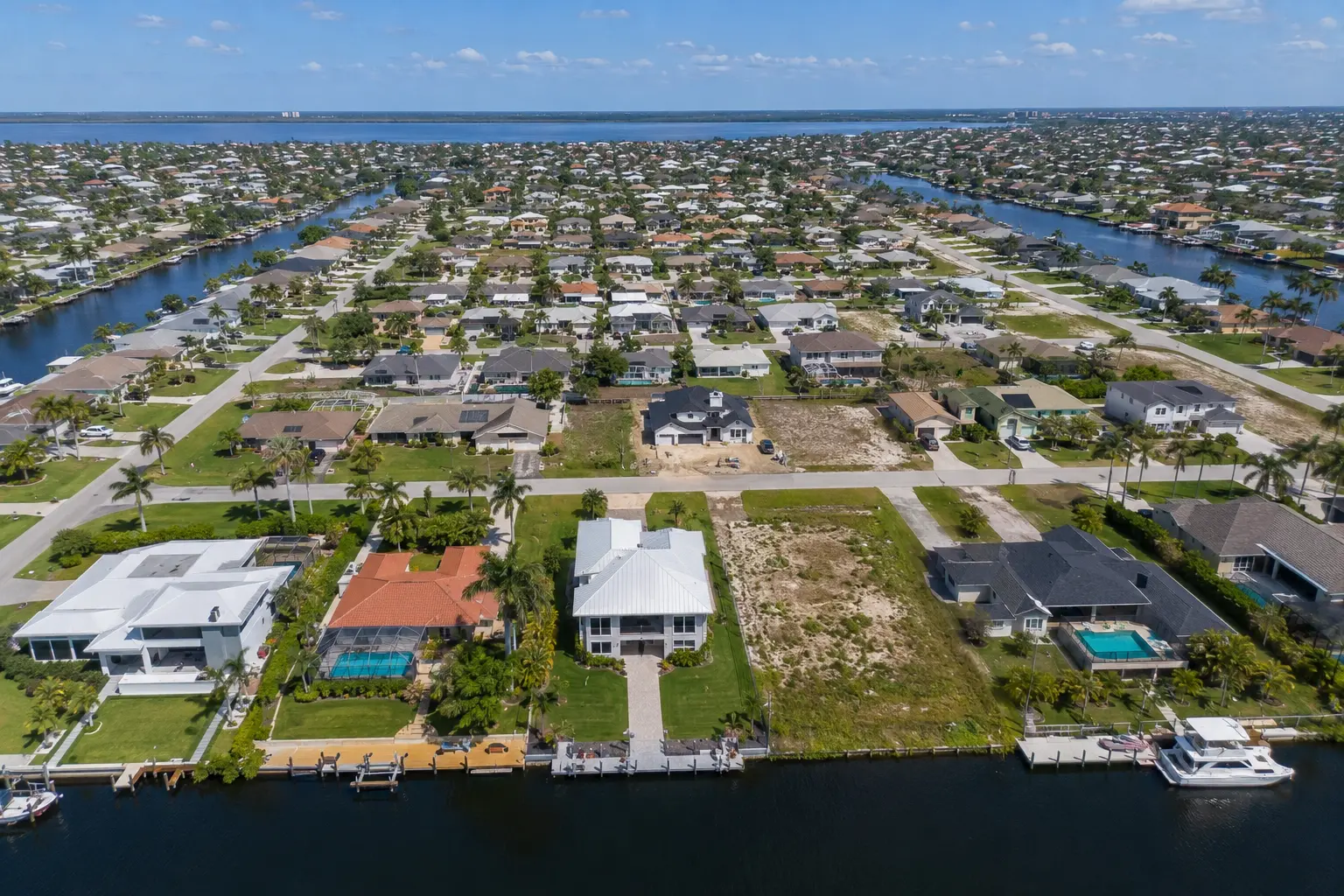
Cape Coral is unusual because buildable lots are still available throughout much of the city.
The cost to build depends on home size, design, finishes, lot conditions, pool design, seawall needs, impact windows, elevation requirements, and waterfront infrastructure.
A standard inland home may be far less expensive to build than a luxury waterfront custom home. Canal lots, corner lots, oversized lots, and properties requiring additional site work can increase total costs.
Many buyers compare building with buying an existing home and find that new construction may offer better long-term value, especially when an older home would require major renovations.
Cost to Buy an Existing Home
Buying an existing home may allow for faster occupancy and may include completed landscaping, pools, docks, boat lifts, and other improvements.
However, buyers should evaluate potential future expenses, including roof replacement, window upgrades, air conditioning systems, pool renovations, dock repairs, seawall repairs, plumbing, electrical updates, and hurricane protection.
An older home with a lower purchase price may still require significant investment after closing.
Property Taxes
Florida property taxes are often lower than those found in many northeastern and some Midwestern states.
Actual property taxes depend on assessed value, exemptions, local millage rates, and whether the property is used as a primary residence.
Florida’s Homestead Exemption may provide tax savings for qualifying primary residents. Buyers relocating from higher-tax states may find annual property taxes in Cape Coral more manageable than what they previously paid.
No State Income Tax
Florida does not have a state income tax.
This can be a major advantage for retirees, business owners, remote workers, and high-income households. Florida does not tax wages, pensions, Social Security benefits, retirement distributions, or investment income at the state level.
For buyers relocating from states with higher income taxes, this can create meaningful annual savings.
Homeowners Insurance
Insurance is one of the most important costs to evaluate before buying in Cape Coral.
Because Cape Coral is in a coastal region, homeowners insurance may be higher than national averages. Premiums are influenced by home age, roof age, construction type, wind mitigation features, hurricane protection, flood zone, claims history, and distance from water.
Newer homes built to current codes may qualify for more favorable insurance options than older homes, depending on the property and insurer.
For many buyers, insurance is one of the strongest reasons to compare older homes with new construction.
Flood Insurance
Flood insurance may be required depending on flood zone designation and mortgage requirements.
Waterfront homes, canal properties, and lower-elevation areas should be reviewed carefully. Flood insurance costs can vary significantly from property to property.
Buyers should obtain flood insurance estimates before purchasing, especially when comparing waterfront homes or vacant lots.
Electricity Costs
Electric bills in Cape Coral are strongly affected by air conditioning use.
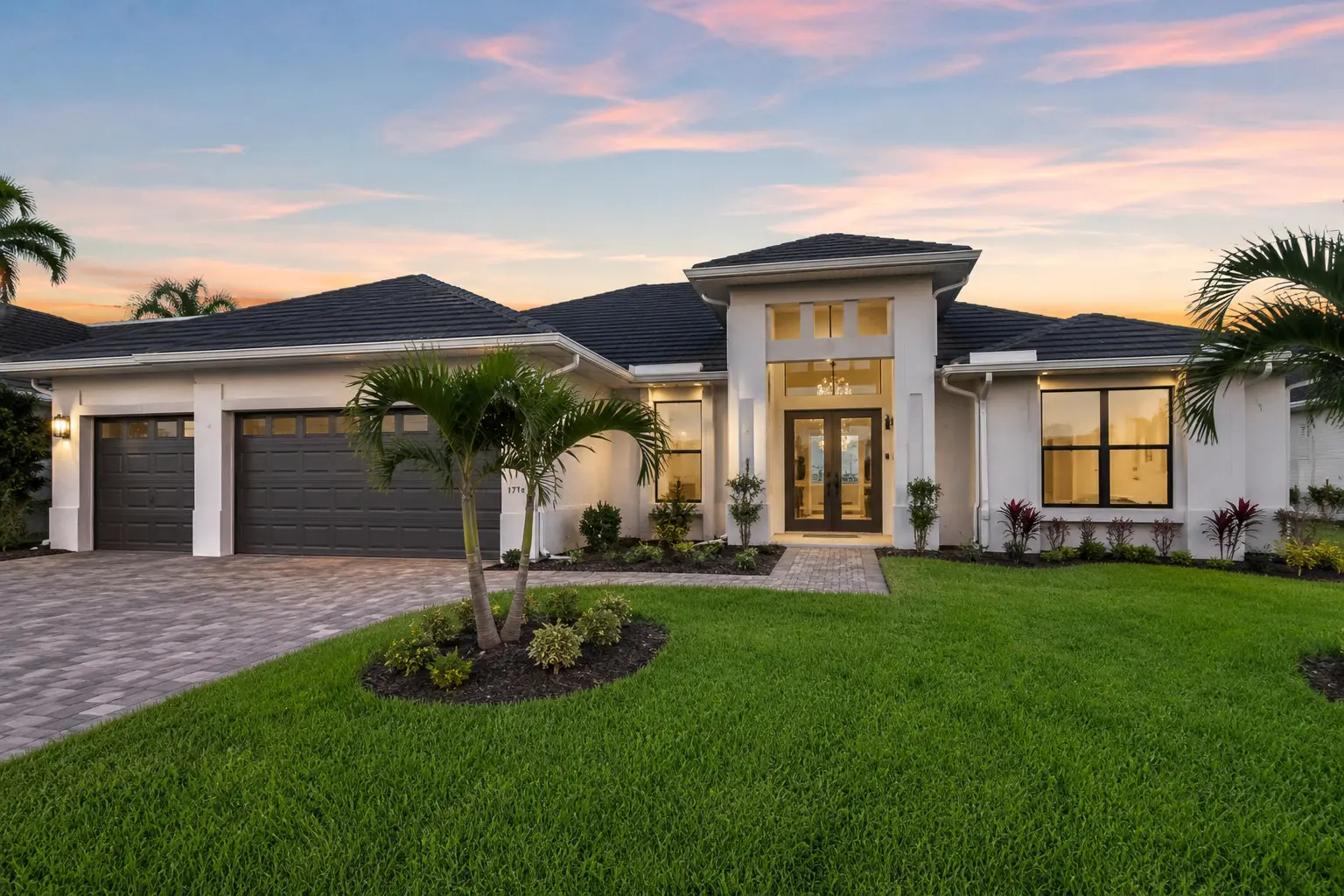
The warm and humid climate means cooling systems may run heavily during much of the year. Electric costs depend on home size, insulation, window efficiency, air conditioning age, pool equipment, appliance efficiency, and thermostat settings.
Newer homes with energy-efficient systems, impact windows, and better insulation may help reduce monthly utility costs.
Water, Sewer, Irrigation, and Trash
Utility costs vary depending on the neighborhood and property.
Many established areas have municipal water, sewer, irrigation, and trash service. Some developing areas may still rely on well and septic systems or may be part of future utility expansion plans.
Monthly utility costs may include water, sewer, irrigation, trash, and stormwater charges.
Buyers considering vacant lots should confirm current utility availability and any unpaid or future assessments.
Grocery Costs
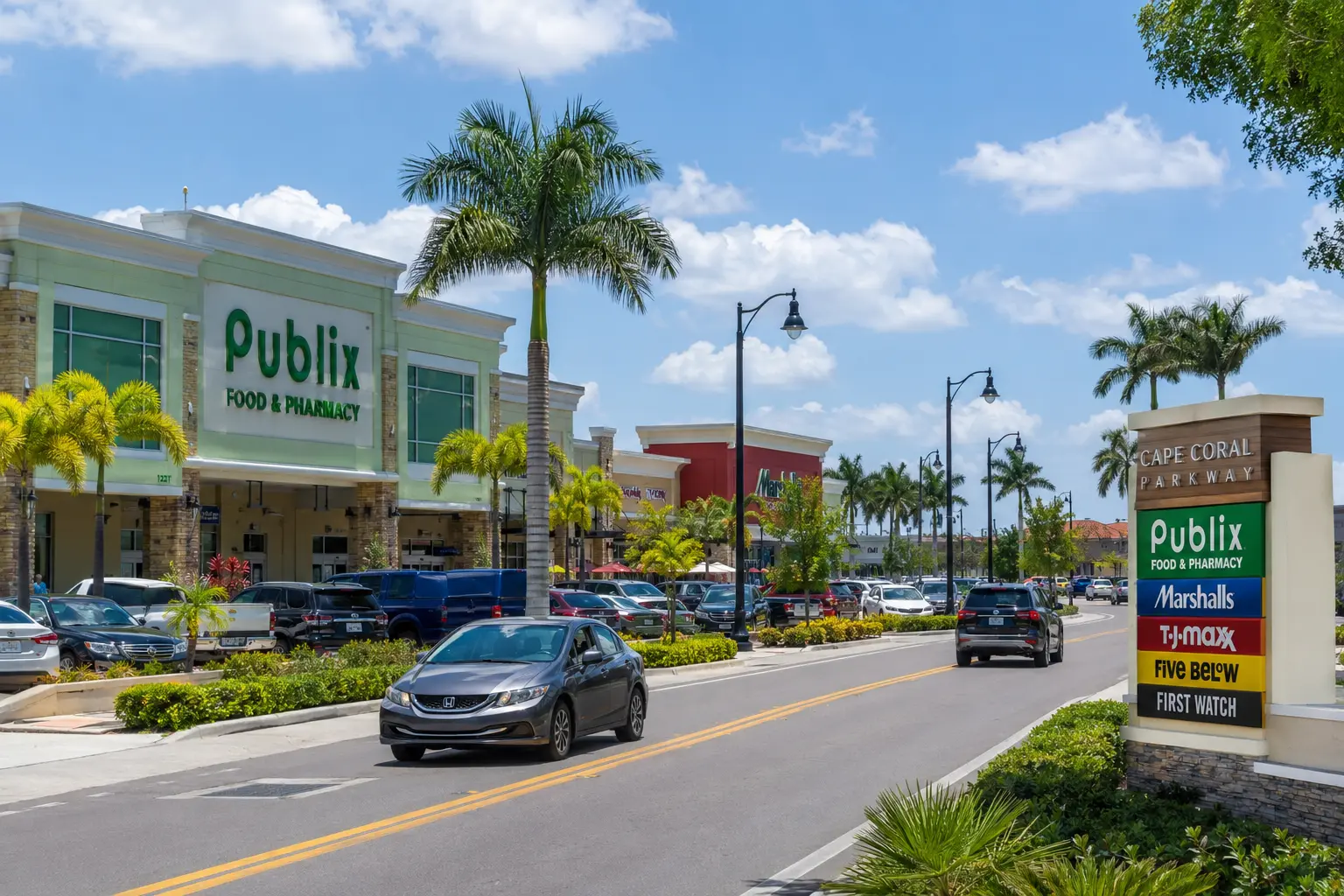
Grocery prices in Cape Coral are generally comparable to many parts of Florida, although individual costs depend on shopping habits and household size.
Residents have access to multiple grocery and retail options, including Publix, Walmart, Aldi, Target, Costco, Sam’s Club, and specialty food stores.
Competition among retailers helps provide a range of price points.
Dining and Restaurants
Cape Coral offers restaurants at many price levels, from casual waterfront dining to neighborhood restaurants, national chains, seafood spots, and more upscale options.
Dining costs are generally lower than in major metropolitan areas such as New York City, Boston, Los Angeles, San Francisco, Miami, or Chicago.
For residents who enjoy casual dining, outdoor restaurants, and waterfront settings, Cape Coral can offer many options without the pricing often found in larger coastal cities.
Transportation Costs
Most Cape Coral residents rely on personal vehicles.
Public transportation is more limited than in large urban areas, so transportation costs usually include fuel, car insurance, vehicle maintenance, and occasional tolls or bridge travel.
Compared with major cities, many residents may spend less on parking, public transit, and commuting-related expenses. However, drive times can vary depending on where in Cape Coral someone lives and where they work, shop, or spend time.
Healthcare Costs
Healthcare costs vary based on insurance coverage, age, health needs, and provider choice.
Cape Coral and nearby Fort Myers offer access to hospitals, specialists, urgent care centers, outpatient facilities, and medical offices. Because Southwest Florida has a large retiree population, healthcare services are well represented throughout the region.
Buyers relocating from larger metro areas should compare provider networks and insurance options before moving.
Home Maintenance Costs
Florida homes have different maintenance needs than homes in colder climates.
Common expenses may include pool service, landscaping, irrigation maintenance, pest control, air conditioning service, roof inspections, hurricane protection, pressure washing, and exterior painting.
Waterfront homes may require additional maintenance due to salt air, seawalls, docks, boat lifts, and marine exposure.
Buyers moving from northern or Midwestern states should remember that while snow removal and winter heating costs may disappear, Florida-specific maintenance costs take their place.
Boating Expenses
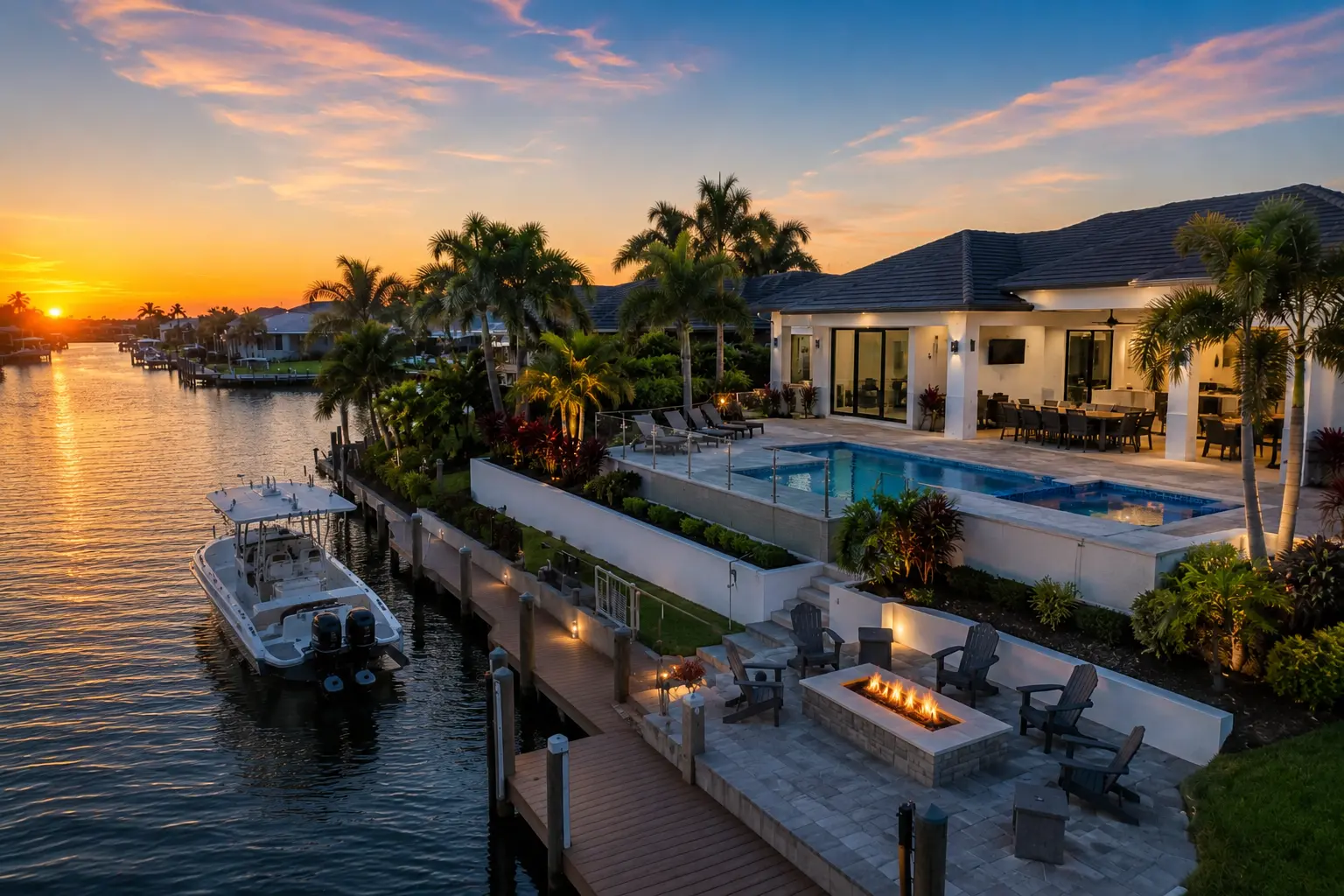
For many residents, boating is part of the Cape Coral lifestyle.
Boat ownership costs may include fuel, insurance, registration, maintenance, lift maintenance, bottom cleaning, repairs, and equipment.
However, homeowners with private docks and lifts may avoid some marina storage costs. For boaters, the ability to keep a vessel behind the home can be one of Cape Coral’s most appealing lifestyle advantages.
Recreation and Entertainment
Cape Coral offers many recreational activities that can be enjoyed at relatively low cost.
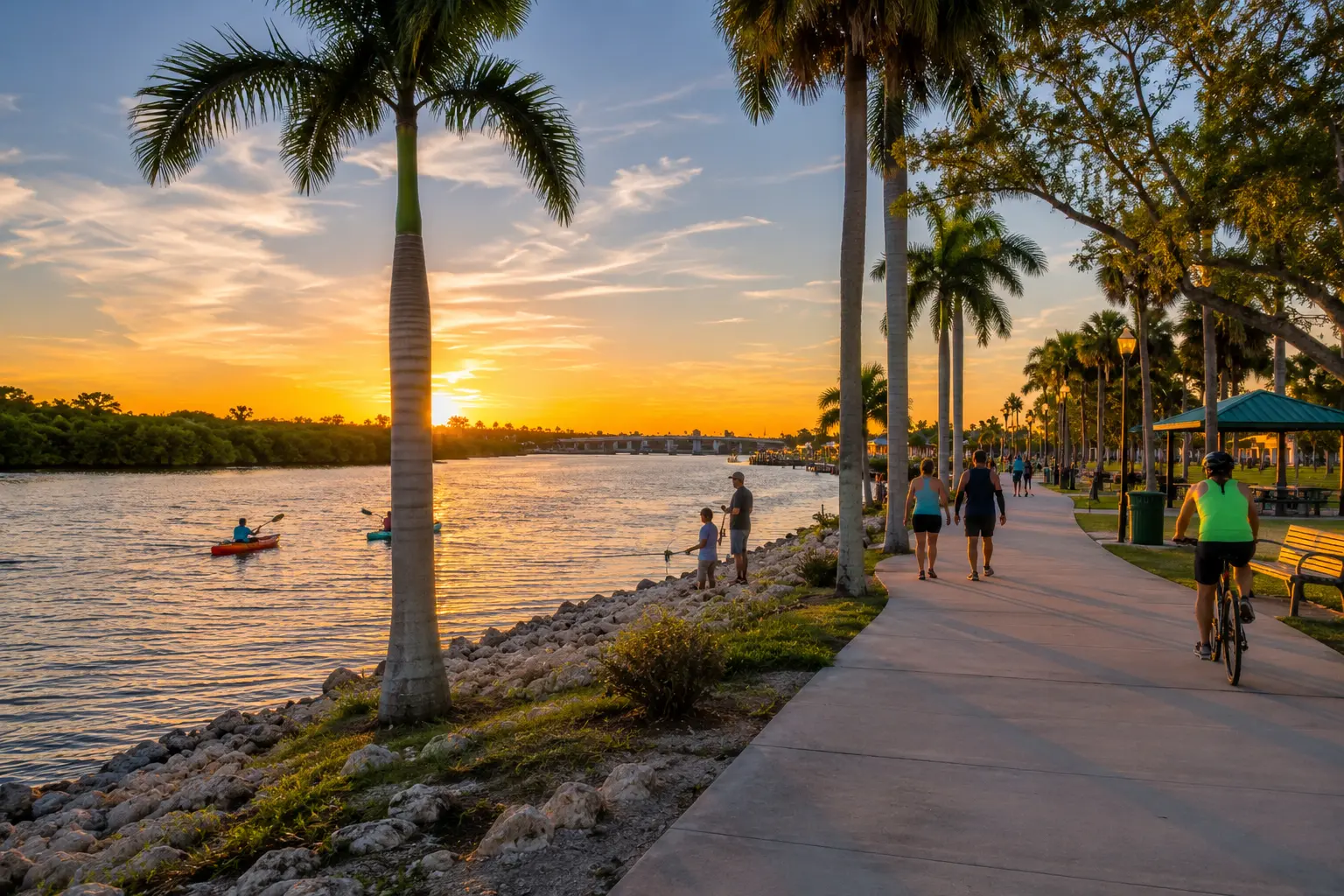
Popular activities include boating, fishing, kayaking, paddleboarding, walking, biking, visiting parks, enjoying beaches, and spending time outdoors.
Because the climate allows outdoor activities throughout most of the year, many residents find that recreation does not always require expensive memberships or entertainment spending.
Cost of Living Compared With Other Florida Cities
Compared with many coastal Florida markets, Cape Coral is often viewed as offering strong value.
Cape Coral may be more affordable than many areas of Naples, Marco Island, Sarasota waterfront neighborhoods, Boca Raton, Fort Lauderdale waterfront communities, Miami, Palm Beach County, and parts of the Florida Keys.
The biggest difference is often waterfront supply. Cape Coral was designed with canals throughout the city, creating more waterfront inventory than many coastal communities where water access is limited.
This may allow buyers to find larger homes, larger lots, private docks, boat lifts, or new construction opportunities at price points that may be difficult to find in more expensive Florida markets.
Cost of Living Compared With Other Parts of the Country
Cape Coral attracts many residents from higher-cost states in the Northeast, Midwest, and West Coast.
Common relocation states include New York, New Jersey, Connecticut, Massachusetts, Pennsylvania, Illinois, Ohio, Michigan, Wisconsin, Minnesota, Indiana, Missouri, Iowa, and California.
Many buyers from Midwestern states are drawn to Cape Coral because it offers warm weather, no state income tax, year-round outdoor living, and a different lifestyle than colder inland markets.
Compared with cities such as Chicago, Detroit suburbs, Cleveland, Columbus, Milwaukee, Minneapolis, St. Louis, Indianapolis, and Des Moines, Cape Coral may offer lower winter-related costs, no snow removal, no state income tax, and more access to boating and outdoor recreation.
However, buyers from the Midwest should also consider differences such as higher homeowners insurance, possible flood insurance, hurricane preparation, pool maintenance, and higher costs for some coastal services.
For many relocating buyers, the financial comparison is not simply about whether every category is cheaper. It is about whether Cape Coral provides more lifestyle value for the total cost of living.
The Overall Value Proposition
Cape Coral’s appeal is not that every expense is lower. Rather, many buyers feel they receive more lifestyle value for what they spend.
A home with a pool, lanai, outdoor kitchen, private dock, boat lift, water view, and year-round outdoor living may be financially out of reach in many coastal markets.
In Cape Coral, those features may be more attainable, especially for buyers who are open to building or selecting the right neighborhood.
Existing Homes vs New Construction
Cost of living also depends on whether a buyer chooses an existing home or builds new.
Existing homes may offer mature landscaping, established neighborhoods, completed pools, and immediate occupancy. However, they may also bring renovation costs, insurance challenges, older roofs, outdated windows, or deferred maintenance.
New construction may involve a longer timeline but can provide current building standards, energy efficiency, modern layouts, hurricane-resistant features, and fewer immediate repair concerns.
For many buyers, building can be a way to control long-term ownership costs while creating a home that fits their lifestyle from the beginning.
Final Perspective
Every buyer’s financial situation is different, but Cape Coral remains one of the few Florida markets where waterfront living, new construction opportunities, and relatively accessible entry points can still exist within the same city.
The key is understanding the full picture, including housing, insurance, taxes, utilities, maintenance, transportation, healthcare, recreation, and building costs.
Once those factors are considered together, buyers can make a more informed decision about whether Cape Coral is the right fit for their lifestyle and long-term goals.