CAPE CORAL HISTORY
Cape Coral is a city in Lee County, located on the Gulf Coast of Florida along the waters of the Gulf of Mexico. Founded in 1957, the city has grown into one of the most significant master-planned communities in the United States. As of the 2020 census, Cape Coral had a population of 194,016, representing a 26 percent increase from 154,309 in 2010. It is now the ninth most populous city in Florida and the largest city between Tampa and Miami in both population and land area.
Spanning approximately 120 square miles, Cape Coral is also the principal city of the Cape Coral-Fort Myers Metropolitan Area. The city is best known for its extensive canal system, with over 400 miles of navigable waterways, more than any other city in the world. This defining feature has shaped both its development and its identity as a waterfront community.
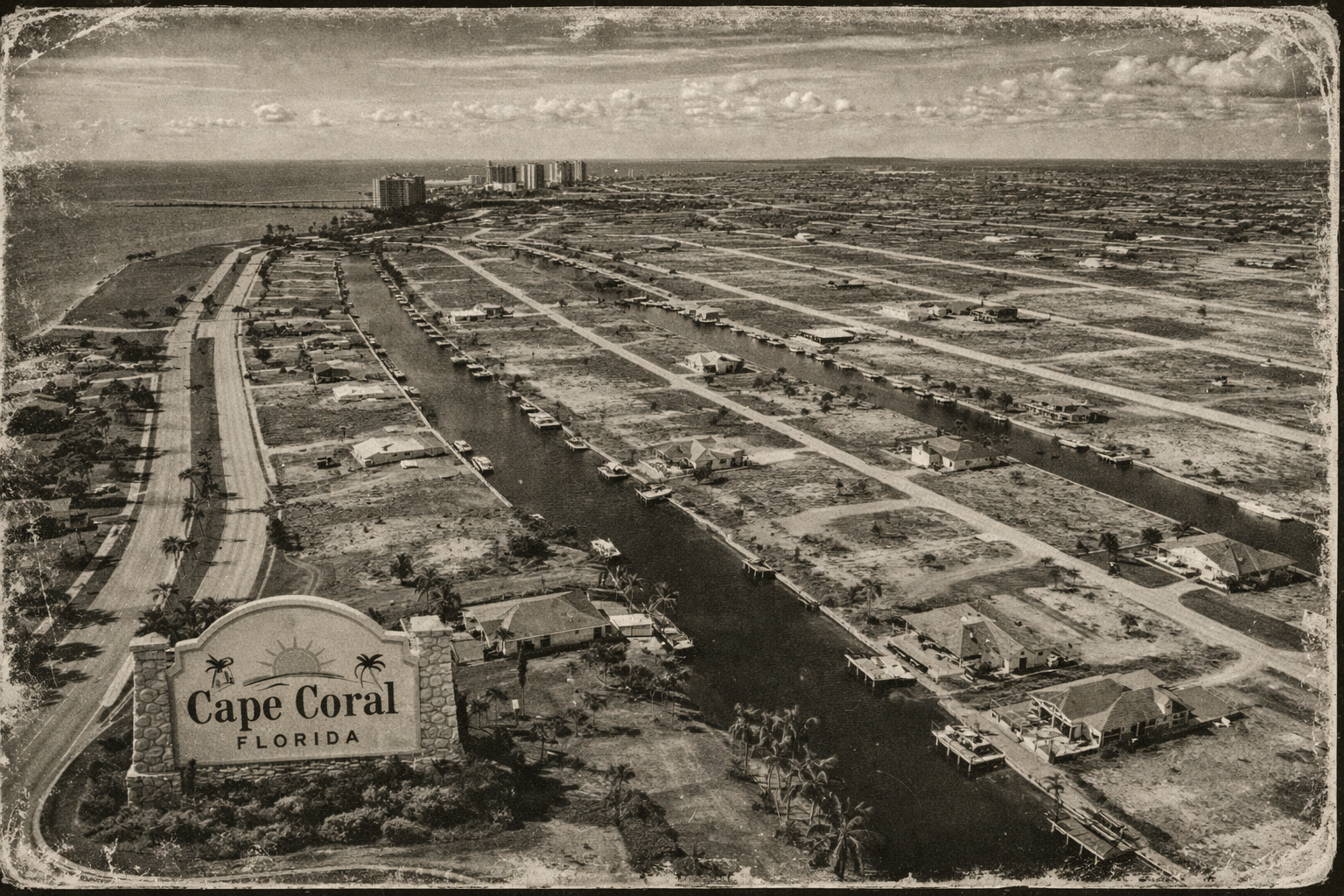
EARLY HISTORY AND INDIGENOUS PRESENCE
Long before modern development, the area surrounding present day Cape Coral was inhabited by the Calusa people, a powerful indigenous society that thrived along the southwest coast of Florida. The Calusa were highly skilled in navigating waterways and are believed to have constructed a canoe canal that crossed the Cape Coral peninsula from Matlacha Pass to Yellow Fever Creek, a tributary of the Caloosahatchee River. Although no physical evidence of this canal remains today due to extensive modern development, historical accounts suggest a sophisticated understanding of water-based transportation.
Following Florida’s admission as a state in 1845, the land that would become Cape Coral was gradually acquired and transferred under the Homestead Act. Much of the property remained in large private holdings, used minimally and largely undeveloped for over a century.
FOUNDING AND LAND ACQUISITION
Cape Coral’s modern history began in 1957 when brothers Leonard Rosen and Jack Rosen, real estate developers from Baltimore, Maryland, flew over the peninsula known as Redfish Point, just across the river from Fort Myers. Recognizing its potential, they assembled a group of investors and purchased approximately 103 square miles of land for $678,000.
The land was acquired from multiple private landowners, including large tracts held by families and investment groups who had accumulated acreage over decades but had not developed it. This consolidation of ownership allowed the Rosens to control an unusually large contiguous parcel, which made true master planning possible on a scale rarely seen at the time.
To execute their vision, they formed the Gulf American Land Corporation, which introduced a highly innovative and unconventional approach to land development and sales. The entire area was master planned into residential lots before being marketed, a strategy that differed significantly from traditional real estate practices.
CANAL CREATION AND ENGINEERING
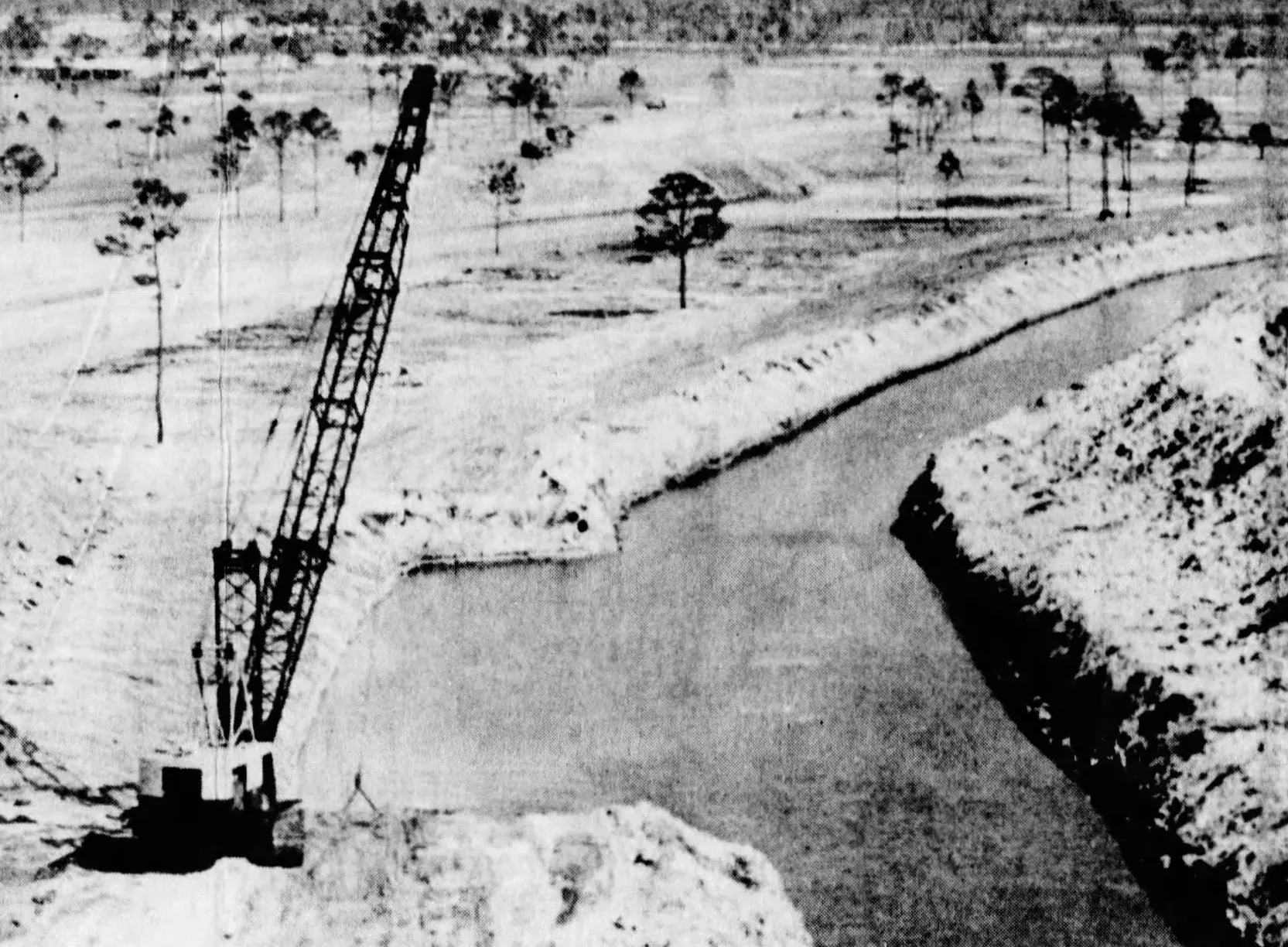
A defining element of Cape Coral’s design was the creation of its extensive canal system, which transformed inland terrain into waterfront property. The process of building these canals was both large in scale and technically demanding.
Construction crews used a combination of hydraulic dredging and mechanical excavation to carve canals through the landscape. In many areas, particularly where harder limestone layers existed beneath the surface, blasting techniques were used to break through rock. Once fractured, the material was removed and repurposed.
The excavated rock, sand, and soil were not discarded. Instead, they were used to elevate surrounding land, stabilize building pads, and form roadbeds. This process allowed developers to simultaneously create waterways while preparing adjacent lots for construction. In effect, the land and canals were built together, each supporting the other.
While this approach enabled rapid development, early canal construction was performed without obtaining certain state permits, an oversight that later contributed to financial and regulatory challenges for the development company.
INFRASTRUCTURE AND EARLY DEVELOPMENT
Development progressed rapidly through the late 1950s and early 1960s. Roads, bridges, and utilities were installed alongside canal excavation. The first structure in Cape Coral was the Rosen brothers’ sales office, followed by the completion of the first homes in 1958 along Riverside and Flamingo Drives. The first permanent resident was Kenny Schwartz, the company’s general manager.
By 1963, the population had reached approximately 2,850. More than 1,300 buildings had been completed or were under construction, along with roughly 80 miles of roads and 160 miles of canals. Amenities including a yacht club, golf course, medical clinic, and shopping center were established, helping transition the area from a land development into a functioning community.
A major milestone came in 1964 with the opening of the Cape Coral Bridge across the Caloosahatchee River. This 3,400-foot structure significantly improved access to Fort Myers, reducing travel time and accelerating growth.
INNOVATIVE MARKETING AND NATIONAL EXPANSION
The success of Cape Coral was driven in large part by aggressive and highly structured marketing strategies. Under the leadership of sales director Ezio Valentini, Gulf American Land Corporation pioneered a dinner seminar sales model that departed from traditional real estate practices.
Prospective buyers were invited to presentations held in hotel banquet rooms, often with a complimentary dinner. These events were designed to guide attendees through the purchase process quickly and efficiently, frequently closing transactions in a single session. Buyers were given the option to visit the property within six months and cancel if they were not satisfied.
The program expanded nationwide, with sales offices established in 24 states and charter flights arranged to bring prospective buyers directly to Cape Coral. This approach, combined with celebrity endorsements and large-scale advertising, helped fuel rapid lot sales and national recognition.
INCORPORATION AND LONG-TERM GROWTH
Cape Coral was officially incorporated as a city on August 18, 1970. In the decades that followed, the city continued to grow steadily as more homes were constructed and infrastructure expanded to support a permanent population.
During the late 20th century, Cape Coral evolved from a speculative land development into a more established residential city, with schools, healthcare facilities, and commercial centers supporting a growing community.
MODERN GROWTH, MARKET CYCLES, AND RESILIENCE
The early 2000s brought a significant housing boom to Cape Coral, followed by a sharp downturn during the 2008 financial crisis. Property values declined, and development slowed considerably. However, the city gradually recovered, and by the mid-2010s, construction activity resumed at a strong pace.
A major new phase of growth began following the COVID-19 pandemic. Increased demand for relocation, remote work flexibility, and a shift toward lower-density living drove a surge in population and new construction throughout Cape Coral. Buyers from across the country, particularly from northern states, were drawn to the city’s affordability, availability of land, and waterfront lifestyle.
On September 28, 2022, Cape Coral sustained major damage when Hurricane Ian made landfall nearby. The storm caused widespread flooding and infrastructure damage. In response, rebuilding efforts accelerated the adoption of modern building standards, including stronger hurricane resistance and improved elevation requirements.
CAPE CORAL TODAY
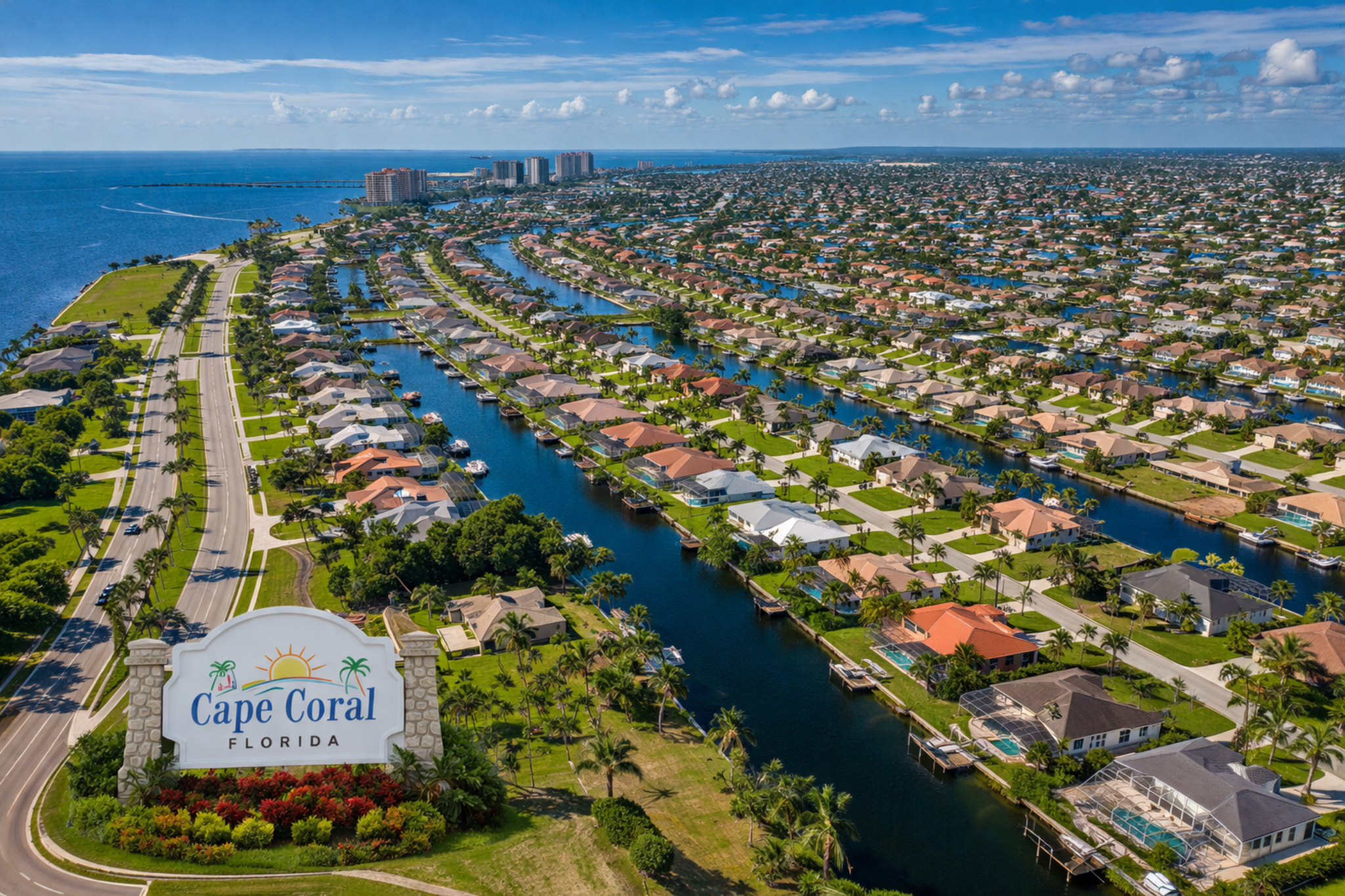
Today, Cape Coral remains one of the fastest-growing cities in Florida. Its combination of large-scale planning, extensive canal access, and continued availability of vacant land distinguishes it from many other coastal markets that are already fully developed.
Thousands of undeveloped lots remain throughout the city, offering a rare opportunity for new construction. This allows buyers to design and build homes tailored to modern needs, rather than adapting older properties.
The original vision of a master-planned waterfront city continues to evolve, with ongoing development shaping Cape Coral into a modern, highly desirable destination for both residents and investors.
Ready to Build Your Future in Cape Coral?
Cape Coral is not just a city with a past, it is a city that is still actively being built. With large areas of available land and a unique canal system that cannot be replicated, you have the opportunity to create something new instead of settling for something outdated. Building gives you control over design, efficiency, and long-term value, all within one of the fastest-growing markets in Florida.